





【Robin先生】
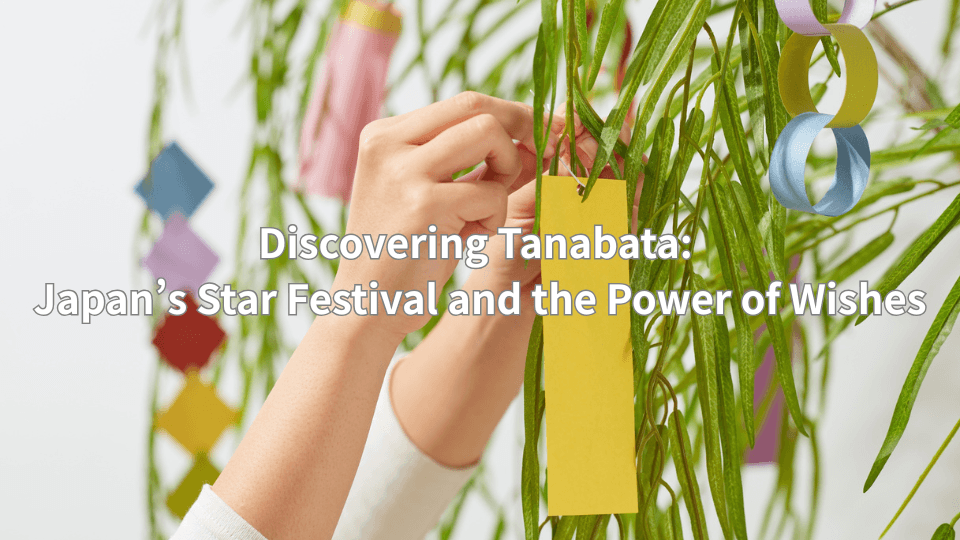
七夕を知ろう ― 星まつりと願いごとの力
こんにちは!暑い日が続いていますが、皆さんいかがお過ごしでしょうか。
今回は、日本の美しい伝統行事のひとつである「七夕(たなばた)」についてご紹介します。七夕は、ロマンチックな伝説や色とりどりの飾り、そして願いごとを短冊に書くという素敵な風習が受け継がれている、日本らしい魅力あふれるお祭りです。
このブログでは、七夕を英語でどのように紹介すればよいのかをお伝えするとともに、私自身の七夕の思い出や、アメリカにもある少し似た言い伝えについてもご紹介します。七夕の魅力を、日本の文化を学ぶ方にもわかりやすくお届けできればと思います。
七夕を英語で説明してみよう
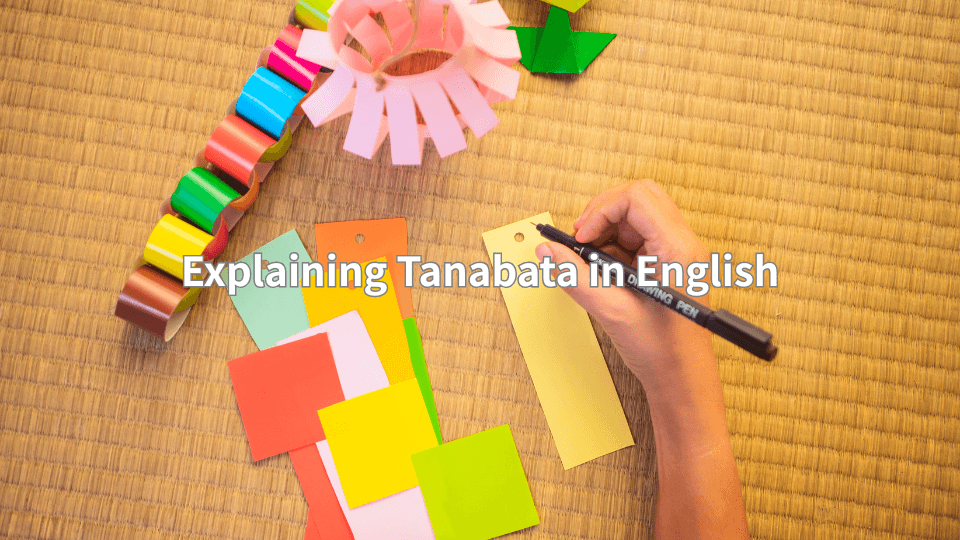
七夕は、毎年7月7日に行われる日本の伝統的なお祭りです。英語では “Star Festival(星まつり)” と紹介されることが多く、織姫と彦星という二つの星の伝説に由来しています。
伝説によると、機織りの名手である織姫と、働き者の牛飼いである彦星は恋に落ちました。しかし、お互いに夢中になるあまり仕事をおろそかにしてしまいます。それを見た神様は二人を天の川の両岸へ引き離し、年に一度、七夕の夜だけ会うことを許しました。
七夕の日には、人々は願いごとを短冊と呼ばれる色とりどりの紙に書き、笹の枝に飾ります。また、学校や商店街、地域のイベントなどでは、折り紙や吹き流しなどの華やかな飾り付けが行われ、七夕の雰囲気を楽しみます。
英語で七夕を紹介するときには、次のような表現がよく使われます。
- 「七夕は、人々が色とりどりの紙に願いごとを書き、笹の枝に飾る日本のお祭りです。」
“Tanabata is a Japanese festival where people write their wishes on colorful paper and hang them on bamboo branches.”
- 「七夕は、年に一度しか会うことのできない二つの星のロマンチックな伝説がもとになっています。」
“Tanabata is based on a romantic legend about two stars who can only meet once a year.”
- 「多くの学校や地域では、飾りを作ったり、お祭りを開いたりして七夕をお祝いします。」
“Many schools and communities celebrate Tanabata by making decorations and holding festivals.”
このような表現を使うことで、日本の七夕を知らない海外の人にも、その魅力や文化的な背景をわかりやすく伝えることができます。
日本の学校で体験した七夕
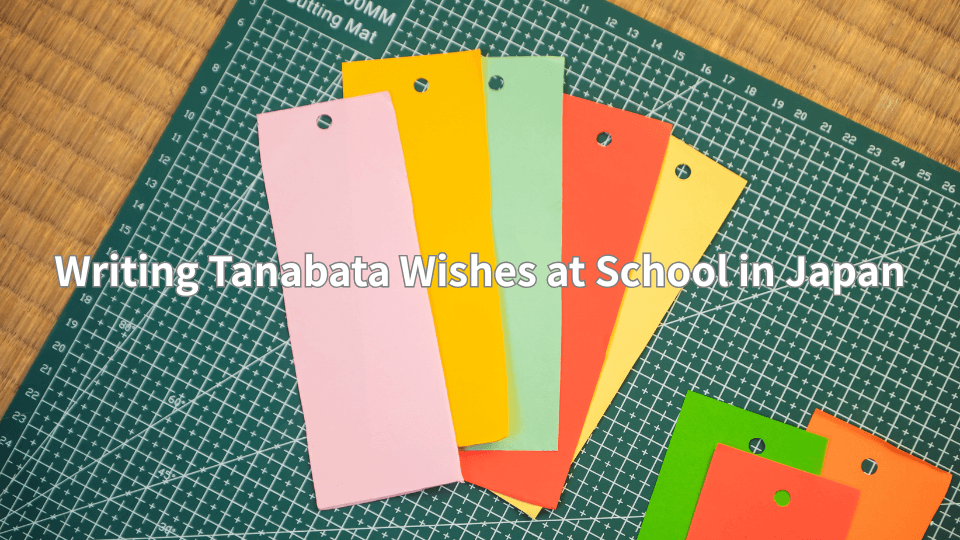
私が日本の中学校に通っていた頃、学校で七夕を楽しむ機会がありました。クラスメイトと一緒に短冊へ願いごとを書き、それを笹の枝に飾ったことを今でもよく覚えています。
とてもシンプルな行事でしたが、日本の文化を身近に感じられる楽しい体験でした。短冊には、一人ひとり違った願いが書かれていました。「テストで良い成績が取れますように」「部活動で活躍できますように」「家族が元気で過ごせますように」など、さまざまな願いが並んでいて、みんながどんな未来を思い描いているのかを知ることができたのも印象的でした。
もし今、私が七夕の短冊を書くとしたら、「創作活動がこれからも順調に続きますように」、そして「世界中のさまざまな人との素敵な出会いがありますように」と願うと思います。
七夕の魅力は、願いごとを書くことを通して、自分の夢や目標について改めて考えるきっかけを与えてくれることではないでしょうか。
小さな伝統行事ではありますが、自分の希望を書き、それをみんなで共有することで、前向きで温かい気持ちになれる――それが七夕の素敵なところだと感じています。

アメリカにもある、七夕に似た物語
アメリカには七夕とまったく同じようなお祭りはありませんが、「愛」や「星」をテーマにした物語や言い伝えはいくつかあります。
その一つが 「star-crossed lovers(運命に引き裂かれた恋人たち)」 という表現です。これは、運命やさまざまな困難によって結ばれることができない恋人同士を表す言葉として広く知られています。
代表的な作品といえば、ウィリアム・シェイクスピアの『ロミオとジュリエット』です。アメリカの作品ではありませんが、アメリカでもよく知られている名作で、対立する家同士に生まれた二人が恋に落ち、悲しい運命をたどる物語です。その切ない恋の姿は、年に一度しか会えない織姫と彦星の伝説を思い起こさせます。
また、アメリカには「流れ星を見たら願いごとをする “wishing on a shooting star.” 」という親しまれている言い伝えがあります。星に願いを託し、夢や希望を思い描くという考え方は、世界中のさまざまな文化に共通しています。
実は、日本にも流れ星に願いごとをする風習がありますよね。流れ星が消えるまでに願いごとを3回唱えられれば、その願いが叶うという言い伝えを聞いたことがある方も多いのではないでしょうか。ただし、それを成功させるには、かなり素早く願いごとを唱える必要があります!
七夕は日本ならではの伝統行事ですが、その背景にある「大切な人を思う気持ち」や「夢や希望を願う心」は、国や文化を超えて多くの人に共通するものです。だからこそ、七夕は世界の人々にも共感してもらえる魅力的なお祭りなのだと思います。
まとめ
七夕は、美しい飾りを楽しむだけのお祭りではありません。大切な人を思い、願いごとを託し、未来への希望に思いを巡らせることができる、日本ならではの素敵な伝統行事です。
学校で短冊に願いごとを書いた思い出や、織姫と彦星のロマンチックな伝説など、七夕にはたくさんの魅力が詰まっています。そして、世界にはそれぞれ異なる文化や風習がありますが、「よりよい未来を願う気持ち」は、国や言葉を超えて多くの人が共感できるものではないでしょうか。
今年の七夕は、ぜひ短冊にあなた自身の願いごとを書いてみてください。そして、少しだけ立ち止まって、自分の夢や目標について考える時間を作ってみるのも素敵です。
もしかすると、その小さな願いごとが、未来への大きな一歩につながるかもしれません。
福岡で実践的な英語を学ぶなら、ケンジントン英会話
ケンジントン英会話では、教科書には載っていない、活きた表現を身に付けることができます。
福岡市内の教室やオンラインで、経験豊富でフレンドリーな講師と一緒に英語を学びませんか?
実践的な英語を学びたい方はケンジントン英会話の公式サイトをチェック!
[英語原文]
Discovering Tanabata: Japan’s Star Festival and the Power of Wishes
Introduction
Hello everyone! I hope you are doing well and enjoying the summer season. Today, I would like to talk about one of Japan’s most beautiful traditional events, Tanabata. This special festival is a wonderful example of Japanese culture, combining a romantic legend, colorful decorations, and the simple tradition of making wishes. In this blog, I will explain how to describe Tanabata in English, share my own memories of the festival, and introduce a similar story from America.
Explaining Tanabata in English
Tanabata is a traditional Japanese festival that takes place every year on July 7th. It is often called the “Star Festival” in English because it is based on the story of two stars, Orihime and Hikoboshi, who are separated by the Milky Way and can only meet once a year.
The story says that Orihime, a talented weaver, and Hikoboshi, a hardworking cow herder, fell in love. However, they became so focused on each other that they neglected their responsibilities. As a result, they were separated by the gods and placed on opposite sides of the Milky Way. They are only allowed to meet once a year on Tanabata night.
To celebrate Tanabata, people write their wishes on colorful pieces of paper called tanzaku and hang them on bamboo branches. Many schools, shopping streets, and communities decorate their areas with beautiful handmade ornaments.
Some useful phrases to explain Tanabata in English are:
“Tanabata is a Japanese festival where people write their wishes on colorful paper and hang them on bamboo branches.”
“Tanabata is based on a romantic legend about two stars who can only meet once a year.”
“Many schools and communities celebrate Tanabata by making decorations and holding festivals.”
These phrases can help explain this unique Japanese tradition to people who may not know about it.
Writing Tanabata Wishes at School in Japan
When I was in middle school, I lived in Japan and had the chance to experience Tanabata at school. I remember writing my own wishes on tanzaku and hanging them on bamboo with my classmates.
It was a simple activity, but it was a fun way to experience Japanese culture. Everyone had different wishes. Some students wished for good grades, success in sports, or happiness for their families. It was interesting to see what everyone hoped for in the future.
If I were to write a Tanabata wish now, I would probably wish for continued success with my creative work and for the opportunity to keep meeting interesting people around the world. I think one of the special things about Tanabata is that it gives people a chance to think about their dreams and goals.
Even though it is a small tradition, the idea of writing down your hopes and sharing them with others creates a really positive atmosphere.
Similar Legends in America: The Story of Star Crossed Lovers
While America does not have a festival exactly like Tanabata, there are some similar stories about love and the stars. One example is the idea of “star crossed lovers,” which means two people whose love is affected by fate or difficult circumstances.
A famous example is Romeo and Juliet by William Shakespeare. Although it is not an American story, many people in America know this tale about two people who fall in love despite being separated by conflict, a true tragedy.
There are also many American traditions where people make wishes, such as “wishing on a shooting star.” The idea that stars can represent dreams, hope, and wishes is something that connects many cultures around the world. We have something very similar in Japanese culture too where we make wishes when we see a shooting star. That is of course, if you’re fast enough to say your wish three times while the shooting star is visible!
While Tanabata is uniquely Japanese, the feelings behind it, such as love, hope, and dreams for the future, are universal.
Conclusion
Tanabata is more than just a Japanese festival with beautiful decorations. It is a tradition that allows people to celebrate love, express their wishes, and think about their hopes for the future. From writing wishes on tanzaku in school to learning about the legend of Orihime and Hikoboshi, Tanabata is a wonderful part of Japanese culture. Even though other countries may have different traditions, the idea of wishing for a better future is something people everywhere can understand. So this Tanabata, why not write down your own wish and take a moment to think about your dreams? You might be surprised by how meaningful a simple wish can be.
福岡で実践的な英語を学ぶなら、ケンジントン英会話
ケンジントン英会話では、教科書には載っていない、活きた表現を身に付けることができます。
福岡市内の教室やオンラインで、経験豊富でフレンドリーな講師と一緒に英語を学びませんか?
実践的な英語を学びたい方はケンジントン英会話の公式サイトをチェック!