投稿者「kensington」のアーカイブ

Aya’s blog – ワーキングホリデーの苦い思い出

Aya’s blog – ワーキングホリデーの苦い思い出

かれこれ8-9年前ワーキングホリデーでイギリスに1年いました。半年は語学学校に通い、その後は某ファストファッション店でアルバイトをしていました。私は周りの人たちに恵まれ、この1年は楽しい思い出でいっぱいですが、やっぱり慣れない海外生活は楽しいことばかりではなかったです(>_<)そこで今回は今でも忘れられない悔しくって恥ずかしい思い出をブログにしますねッ!

先週の赤坂校では「電話対応」がレッスン内容でした。生徒さまの中にも結構苦戦されていた方もいましたね。まさに私の悔しかった思い出は、電話対応です。顔が見えない分、日本語でも苦手なのですが、それが英語となるとなおのこと。。。今以上に英語が話せなかった私は、電話を取ることや掛けることが恐怖でした!仕事仲間は私が英語を話せないことを知っていましたが、それと仕事は別の話!電話がなると「Aya!電話取って!」っと言われ、洋服が足りなくなると「他の店舗にトランスファーしてもらうように電話してっ」と言われます(汗) 取ったり掛けたりするのはいいのですが、相手の言っていることの3割ぐらいしか分からず、また私の発音もわかってもらえずで、結局電話相手には呆れられ、他のスタッフに代わることに、、、またイギリス英語に慣れてなかった私は、単語を聞き取ることで精一杯でした。
 
例えば
<セーター>
イギリス英語 jumper
アメリカ英語 Sweater
<ズボン>
イギリス英語 trousers
アメリカ英語 Pants
<マフラー>
イギリス英語 Scarf
アメリカ英語 Muffler
<スニーカー>
イギリス英語 Trainers
アメリカ英語 Sneakers
<サンダル>
イギリス・アメリカ英語 Flip flops
 
でも悔しくって恥ずかしかった分、単語はすぐに覚えたし、何回も聞くと自然に覚えるものですねッ!これから留学やワーホリをされる方、もちろん楽しいことの方が多いですが、泣きたくなる事もあります。でもせっかくの海外生活、思いっきり楽しんでくださいねっ!
 
Aya
 
ケンジントン英会話
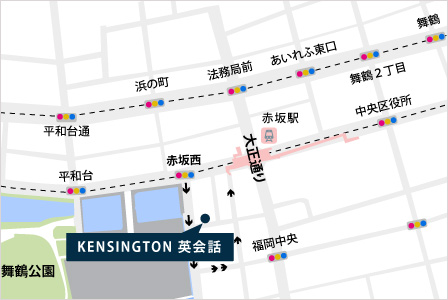
赤坂本校
〒810-0042
福岡市中央区赤坂1-12-3
ブラウンコーポ大津202
Website
 
西新校
〒810-0054
福岡県福岡市中央区今川2-3-48 アートビル202
TEL 090-2095-8124
Website
 
薬院校
〒810-0013
福岡県福岡市中央区大宮2-1-31 U/TERRACE 103
TEL 090-4346-9158
Website


ビジネス英語でよく使う表現 – bring to the table

Hello everyone!

Today’s business English expression is an idiomatic expression meaning that it can’t be taken literally and must be learned for what it is.

The expression we are using today is “bring to the table”
有利な物を提供する

This means offer or have something to offer.

For example, we could use it to talk about what we have to offer another firm or client.
“I think the deal should go down quite smoothly, we have a lot to bring to the table”
“取引が円滑に進むように、私は有利な物を提供した。”
Or we can use it to talk about what can be offered to us.
“I’d like to meet with the manager first and see what he can bring to the table”
“先にマネージャーに会い、彼が何を提供するか見てみたい。”

Hope that comes in handy.
Jaimie

ケンジントン英会話
赤坂本校
〒810-0042
福岡市中央区赤坂1-12-3
ブラウンコーポ大津202
Website

西新校
〒810-0054
福岡県福岡市中央区今川2-3-48 アートビル202
TEL 090-2095-8124
Website

薬院校
〒810-0013
福岡県福岡市中央区大宮2-1-31 U/TERRACE 103
TEL 090-4346-9158
Website

英語を勉強する方法。- もっと流暢に話すには – 2)単語と単語を繋げて発音をよくしよう

How to study English- How to be a more fluent speaker – 2)Improving Intonation Connecting Sounds between words.

Fluent English speakers don’t pronounce every word in a sentence individually, we connect the sounds between words which makes the language sound smoother.

There are no set rules for connecting sounds but the best way is to learn is to extend the ends of your words and let them connect with the next word naturally.

For example: “I am an office worker” Do not read all these words individually:                                A natural sound would be “I’m’noffice worker”  or “Have you been to Spain?” should sound more like “Hav’u’binto Spain?”

Doing this will make you sound more fluent and gives your speech a better flow.. I have been starting concentrating on more natural intonation from our students recently. Please if you have any questions ask me anytime you’d like!

_____________________________________________________________________________________

英語を勉強する方法。- もっと流暢に話すには – 2)単語と単語を繋げて発音をよくしよう

 英語を流暢に話す人は、1文の中で1つ1つの単語を発音しません。言語がスムースに聞こえるように、単語と単語を繋げます。

単語を繋げる決まりはありませんが、学ぶ一番の方法は、単語の最後を伸ばして次の単語へ自然に繋げることです。

例えば:“I am an office   worker”  ひとつひとつの単語を読まないでください。                            自然な音は、“I’m’noffice worker” になるでしょう。“Have you been to Spain?” は“Hav’u’binto Spain?”が近いですね。

これをすることはより発音が良く聞こえるようになりますし、スピーチも上手になります。最近私たちの生徒さんにも、よりナチュラルな発音で話してもらうことに集中し始めました。もし質問などがあればいつでも聞いてくださいね!

Tim


ケンジントン英会話
赤坂本校
〒810-0042
福岡市中央区赤坂1-12-3
ブラウンコーポ大津202
Website

西新校
〒810-0054
福岡県福岡市中央区今川2-3-48 アートビル202
TEL 090-2095-8124
Website

薬院校
〒810-0013
福岡県福岡市中央区大宮2-1-31 U/TERRACE 103
TEL 090-4346-9158
Website

トラベル英会話 – 飛行機で

Travel English – On the Plane

This weekend in the Akasaka classroom our Lv.2 Travel class subject will be about Travelling by plane.   Here are some useful expressions that you should know regarding the process of boarding and flying:

board the plane 飛行機に搭乗する

find my seat 座席を見つける

put my baggage in the overhead compartment 荷物を上の荷物入れに入れる

take a seat 席に座る

fasten my seatbelt シートベルトを締める

turn off all electronic devices 電気機器の電源を全て切る

set my phone to airplane mode 携帯を機内モードにする

the plane takes off 飛行機が離陸する

the plane lands 飛行機が着陸する

Some useful airplane English would also include how to communicate with the stewardess when offered a choice.

Would you like some coffee or tea? コーヒーか紅茶はいかがですか。

I’d like some coffee, please. コーヒーをいただけますか。

Nothing, thank you. 何もいりません、ありがとう。

How do you take it? お砂糖やミルクはどうしましょうか。

With sugar and a little milk please. 砂糖、それからミルクを少しでお願いします。

Here you are! はいどうぞ!

How to make requests on the plane

Can I have some orange juice please? オレンジジュースをもらえますか?

Can I have a blanket please? 毛布をお願いできますか?

Could you speak more slowly please? もっとゆっくり話していただけませんか?

Could you help me put this bag in the overhead compartment? この鞄を上の荷物入れに入れるのを手伝っていただけませんか。

and for higher levels instead of can I you could use would it be possible to as in

Would it be possible to change seats with someone? 席を替わることは可能でしょうか。

Would it be possible to have an extra blanket? 毛布を1枚余分にいただくことはできますでしょうか。

See you at school!

________________________________________________________________

トラベル英会話 – 飛行機で

今週末の赤坂校 Lv.2 Travelのクラスは飛行機での旅についてです。搭乗時や飛行に際して知っておくべき表現を、いくつか載せておきます。

board the plane 飛行機に搭乗する

find my seat 座席を見つける

put my baggage in the overhead compartment 荷物を上の荷物入れに入れる

take a seat 席に座る

fasten my seatbelt シートベルトを締める

turn off all electronic devices 電気機器の電源を全て切る

set my phone to airplane mode 携帯を機内モードにする

the plane takes off 飛行機が離陸する

the plane lands 飛行機が着陸する

役立ついくつかの機内での英語は、何か提供されるときのキャビンアテンダントとのコミュニケーションの仕方も含んでいます。

Would you like some coffee or tea? コーヒーか紅茶はいかがですか。

I’d like some coffee, please. コーヒーをいただけますか。

Nothing, thank you. 何もいりません、ありがとう。

How do you take it? お砂糖やミルクはどうしましょうか。

With sugar and a little milk please. 砂糖、それからミルクを少しでお願いします。

Here you are! はいどうぞ!


以下、機内でのリクエストの仕方です。

Can I have some orange juice please? オレンジジュースをもらえますか?

Can I have a blanket please? 毛布をお願いできますか?

Could you speak more slowly please? もっとゆっくり話していただけませんか?

Could you help me put this bag in the overhead compartment? この鞄を上の荷物入れに入れるのを手伝っていただけませんか。


そして、よりハイレベルな言い方として、Can I の替わりにwould it be possible to を使った表現です。

Would it be possible to change seats with someone? 席を替わることは可能でしょうか。

Would it be possible to have an extra blanket? 毛布を1枚余分にいただくことはできますでしょうか。


また教室で会いましょう!

Tim

今週のレッスン内容 in 赤坂 and 薬院 – The USA

Hello everyone, I made a new class for this week in the Akasaka and Yakuin classrooms and the subject is the US. This is how the classes will unfold.
 
Level 1
We’ll practice the present perfect and past tense to talk about past experiences,
 
Have you ever been to the US? アメリカを訪れたことがありますか。
Yes, I have. はい、あります。
Where in the US did you go to? アメリカのどこに行きましたか。
When did you go there? いつそこに行きましたか。
I went there last summer. そこには去年の夏行きました。
What did you do there? そこで何をしましたか。
I went sightseeing in New York. ニューヨークで観光をしました。
Did you visit the Empire State Building? エンパイヤーステートビルを訪れましたか。
How was the food? 食事はどうでしたか。
How were the prices? 物価はどうでしたか。
 
we’ll use “would like” to talk about future hopes
 
Would you like to go there? そこに行ってみたいですか。
Where in the US would you like to go? アメリカのどこに行ってみたいですか。
What would you like to do there?   そこで何をしてみたいですか。
Would you like to visit the Hoover Dam? フーバーダムを訪れてみたいですか。
Yes, if I have a chance. はい、もし機会があれば。
 
and also we’ll review some of the vocabulary we learnt in the “Famous people / Celebrities” class.
 
Do you know Mark Twain? マークトゥエインを知っていますか。
No, I don’t. What does he do? いいえ、知りません。何をする人ですか。
He’s a famous writer. 彼は有名な作家です。
I haven’t heard of him.  彼のことを聞いたことがありません。
 
we’ll also talk about famous American people and foods!!
 
Level 2
Similar to Level 1 we’ll start the class with talking about our travelling experiences and hopes in the US. Of course level 2 students are expected to be able to carry on the conversation for longer.
 
After having talked about travelling we’ll talk about different aspects of American society and history. It’s famous people, food, icons and brands.
For example
Who’s an American you look up to? アメリカ人であなたが尊敬しているのは誰ですか。
What do you think of American food? アメリカの食事をどう思いますか。
What are some things you associate with the US? あなたがアメリカと関係しているものは何ですか。
What are some famous American brands? アメリカの有名なブランドは何ですか。
What’s your favourite American brand? あなたの一番好きなアメリカのブランドは何ですか。
 
Level 3
In the level 3 class we’ll talk about our image or the US, some stereotypes, travelling experience and hopes, famous american places, icons, people, foods, brands, and America’s contributions to the world.
For example
What is your image of the US and American people? アメリカ人に対するイメージはどんなものですか。
What are some stereotypes about Americans? アメリカ人のステレオタイプは何ですか。
Are you interested in American culture? アメリカの文化に興味がありますか。
How does it differ to Japan? 日本との違いはどんなものですか。
Is the US a country you would like to visit someday? アメリカはあなたがいつか訪れてみたいと思う国ですか。
What attracts you to or puts you off going there? 何があなたをそこに行かせたいもしくは、行く気にさせないのですか。
What are some things you associate with the US? あなたのアメリカに関係することはなんですか。
What do you think has been America’s biggest contribution to the world? アメリカが今まで世界にもっとも貢献したことは何ですか。
Who’s an American you look up to? アメリカ人で尊敬している人は誰ですか。
Who do you think has been the most influential American of the 21st Century? 21世紀のもっとも影響力のあるアメリカ人は誰と思いますか。
What do you think of American food? アメリカの食事をどう思いますか。
What are some iconic American brands? アメリカの象徴的なブランドは何ですか。
 
I’m looking forward to meeting everyone and hope to have fantastic classes talking about the US!
Tim


こんにちは。今週水曜朝のクラスと薬院校の新しいレッスンです。タイトルは”The US”です。内容はこんな感じです。
 
レベル1では現在完了形と過去形について練習していきましょう。
 
Have you ever been to the US? アメリカを訪れたことがありますか。
Yes, I have. はい、あります。
Where in the US did you go to? アメリカのどこに行きましたか。
When did you go there? いつそこに行きましたか。
I went there last summer. そこには去年の夏行きました。
What did you do there? そこで何をしましたか。
I went sightseeing in New York. ニューヨークで観光をしました。
Did you visit the Empire State Building? エンパイヤーステートビルを訪れましたか。
How was the food? 食事はどうでしたか。
How were the prices? 物価はどうでしたか。
 
ここでは“Would like”を使います。
 
Would you like to go there? そこに行ってみたいですか。
Where in the US would you like to go? アメリカのどこに行ってみたいですか。
What would you like to do there?   そこで何をしてみたいですか。
Would you like to visit the Hoover Dam? フーバーダムを訪れてみたいですか。
Yes, if I have a chance. はい、もし機会があれば。
 
そして下記は”Famous people / Celebrities” のクラスで勉強した単語のレビューも少しあります。
 
Do you know Mark Twain? マークトゥエインを知っていますか。
No, I don’t. What does he do? いいえ、知りません。何をする人ですか。
He’s a famous writer. 彼は有名な作家です。
I haven’t heard of him.  彼のことを聞いたことがありません。
 
アメリカの有名人やFoodsについて話しましょう!!
 
Level 2
レベル1と同様に、始めにアメリカでの旅行での経験など話します。もちろんレベル2の生徒さまは出来るだけ長く会話を続けて行きましょう。
旅行について話した後は、アメリカの社会や歴史をさまざまな方面から話していきます。
例えば有名人、食べ物、肖像やブランドについて。
 
Who’s an American you look up to? アメリカ人であなたが尊敬しているのは誰ですか。
What do you think of American food? アメリカの食事をどう思いますか。
What are some things you associate with the US? あなたがアメリカと関係しているものは何ですか。
What are some famous American brands? アメリカの有名なブランドは何ですか。
What’s your favourite American brand? あなたの一番好きなアメリカのブランドは何ですか。
 
Level 3
Level3のクラスではアメリカのイメージ、ステレオタイプ、旅行の経験や有名な場所、人々に食べ物、ブランドなどについて話していきます。
 
For example
What is your image of the US and American people? アメリカ人に対するイメージはどんなものですか。
What are some stereotypes about Americans? アメリカ人のステレオタイプは何ですか。
Are you interested in American culture? アメリカの文化に興味がありますか。
How does it differ to Japan? 日本との違いはどんなものですか。
Is the US a country you would like to visit someday? アメリカはあなたがいつか訪れてみたいと思う国ですか。
What attracts you to or puts you off going there? 何があなたをそこに行かせたいもしくは、行く気にさせないのですか。
What are some things you associate with the US? あなたのアメリカに関係することはなんですか。
What do you think has been America’s biggest contribution to the world? アメリカが今まで世界にもっとも貢献したことは何ですか。
Who’s an American you look up to? アメリカ人で尊敬している人は誰ですか。
Who do you think has been the most influential American of the 21st Century? 21世紀のもっとも影響力のあるアメリカ人は誰と思いますか。
What do you think of American food? アメリカの食事をどう思いますか。
What are some iconic American brands? アメリカの象徴的なブランドは何ですか。
 
皆さまと楽しいレッスンになることを楽しみにしています。
Tim
 
ケンジントン英会話
赤坂本校
〒810-0042
福岡市中央区赤坂1-12-3
ブラウンコーポ大津202
Website
 
西新校
〒810-0054
福岡県福岡市中央区今川2-3-48 アートビル202
TEL 090-2095-8124
Website
 
薬院校
〒810-0013
福岡県福岡市中央区大宮2-1-31 U/TERRACE 103
TEL 090-4346-9158
Website

ビジネス英会話でよく使う表現 – sell like hotcakes

Today I’ll introduce you another American business idiom “sell like hotcakes”. This expression was first used in the mid 19th century and it simply means something that is sold very quickly. Hotcake is another word for pancake

I guess hotcakes (pancakes) were very popular then and actually they still are very popular now.

ホットケーキのように売れる

  • to sell very quickly

  • あっという間に売れる

“The new tablets sold like hotcakes during the first months after their launch.”

“そのタブレット端末は、新発売以来数か月の間に、飛ぶように売れた。”

Tim

ケンジントン英会話
赤坂本校
〒810-0042
福岡市中央区赤坂1-12-3
ブラウンコーポ大津202
Website
西新校
〒810-0054
福岡県福岡市中央区今川2-3-48 アートビル202
TEL 090-2095-8124
Website
薬院校
〒810-0013
福岡県福岡市中央区大宮2-1-31 U/TERRACE 103
TEL 090-4346-9158
Website

英語の勉強法ーあなたの勉強タイプはどれ?

How to Study Englishー What kind of learner are you?

When it comes to learning a language there are 3 basic types of learner, most people have a preference for one kind of learning. The 3 types are auditory( listener) Visual( looker) kineasthetic( toucher) so if you are having trouble learning something or keeping the information in your brain try a new form of learning until you find what type you are.

○For auditory learners of course you can try things like..

listening to music and following the lyrics

listening to podcast

recording lessons and playing them back

repeating sentences out loud
○For visual learners you can try

watching tv programmes and films

highlighting new words or important phrases to remember them

keeping a notebook or dictionary

creating your own sets of flashcards with definition sentences

○For kinaesthetic learners you can try

playing English games online( if you can do it with friends even better)

make your own sets of flashcards on paper

get involved in conversation with English speakers

associating a movement or expression with new phrases.


Of course you may think that you are all of these types but if you keep searching you will find the way that suits you best but the most important thing is to just keep trying!!

______________________________________

英語の勉強法ーあなたの勉強タイプはどれ?

言語を勉強するとき、3つの基本的な勉強法がありますが、ほとんどの人は1つの方法だけを好みます。3つのタイプには、聴覚(聞く人)、視覚(見る人)、運動感覚(触れる人)がありますが、もしあなたが学ぶ過程で何か問題があったり、脳に情報を入れたいときはあなたがどのタイプかわかるまで新しい方法にトライしてみることです。

○聴覚タイプの人は、もちろんこれらの方法にトライできます。

音楽を聞いたり詩を調べる

ポッドキャストを聞く

レッスンを記録して復習する

声に出して文章を読む


○視覚タイプの人はこれらにトライできます。

ドラマや映画を観る

新しい単語や大事なフレーズにハイライトを引く

ノートや辞書を活用する

自分のフラッシュカードをつくる(※予習サイトのようにセンテンスをつくってみる)


○運動感覚タイプの人はこれらにトライ出来ます。

オンラインで英語のゲームをする(友達とできるとよりいいです)

自分のフラッシュカードを作って紙に書く

英語を話せる人と会話で関わる

動きや表現と、新しいフレーズを関連づける


もちろん、どのタイプにもあてはまると思うでしょうが、どの方法が自分にとって一番良いのかもう一度探してください。ただ一番大事なのはやり続ける事です!

Jaimie


ケンジントン英会話
赤坂本校
〒810-0042
福岡市中央区赤坂1-12-3
ブラウンコーポ大津202
Website

西新校
〒810-0054
福岡県福岡市中央区今川2-3-48 アートビル202
TEL 090-2095-8124
Website

薬院校
〒810-0013
福岡県福岡市中央区大宮2-1-31 U/TERRACE 103
TEL 090-4346-9158
Website

トラベル英会話ー家までの帰り道

Travel English – Giving directions to your home

Hello, here are some useful expressions for when you want to give someone directions to your house. If you are overseas on a working holiday or studying abroad you will notice that we have a lot more home parties in the west so it’s useful to be able to give/understand directions to someone’s home.

I recommend memorising these in sentences, there are a lot of small things like the, at, on, and so on in there to remember so it’s probably best to repeat repeat repeat until you say them habitually.

Take the airport line for Meinohama and get off at Nishijin. 空港線の姪浜行きにのって西新で降りて下さい。

Take the number 57 bus for Meinohama and get off at Nishijin. 空港線の姪浜行きのバスに乗って、西新で降りてください。

Change trains at Nakasu Kawabata for Kaizuka and get off at Gohukumachi. 中洲川端で、貝塚行きの電車に乗り換えて、呉服町(ごふくまち)で降りて下さい。

up the stairs  階段を上る

down the stairs  階段を降りる

across the bridge 橋をわたる

under the bridge 橋をくぐる

pass through the tunnel トンネルを通り抜ける

pass through the park 公園を通り抜ける

along the road 道にそって

past the post office 郵便局をすぎる

along the river 川沿いに

Leave the station from exit number 3, 駅の3番出口から出て、

Turn right at the first corner. 最初の角を右に曲がって、

Go straight up Meiji Street for about 200 metres, 明治通りを200mほど真っ直ぐ 行って、

Go past the hospital on the right, 右にある病院を通り過ぎて、

Cross the road at the first set of traffic lights, 1つ目の信号で道を渡って、

On your left you’ll see a car park 左手に、駐車場が見えます。

Stay on that road until you get to Family Mart, ファミリーマートのところまでその道を 行って、

Turn left at the Family Mart ファミリーマートのところで左に曲がって、

If you get to the crossroads you’ve gone too far. もし、交差点まで着いたら、行き過ぎです。

across from 〜の向こう側に、〜の向かいに

next to 〜の隣に

between 〜の間に

on the corner of 〜の角に

I live in Lions Mansion next to the school. 学校の隣のライオンズマンションに住んでいます。

It’s flat number 304. 304号室です。

My house is between the school and the park on your right. 私の家は、右側の、学校と公園の間にあります。

You can’t miss it. 見過ごすことはないです。

______________________________________________________

トラベル英会話ー家までの帰り道

こんにちは、今日はあなたが誰かに家までの帰り道を教えるときの表現を紹介します。ワーキングホリデーや語学留学で海外にいくとわかると思いますが、西洋ではホームパーティーが多いので、誰かの家への帰り方を言えると、とても役立ちますよ。

これらの文は覚えておく事をお薦めします。この中にthe, at, onなどがたくさんありますし、習慣化するまで繰り返し繰り返し覚えていくのがベストです。

Jaimie


ケンジントン英会話
赤坂本校
〒810-0042
福岡市中央区赤坂1-12-3
ブラウンコーポ大津202
Website

西新校
〒810-0054
福岡県福岡市中央区今川2-3-48 アートビル202
TEL 090-2095-8124
Website

薬院校
〒810-0013
福岡県福岡市中央区大宮2-1-31 U/TERRACE 103
TEL 090-4346-9158
Website

日常英会話レッスン−イギリスのスラング−The Police!

Hello again. Last week I had a lovely conversation with a young policeman who caught me crossing the road at a red light. He was very nice about it but it was a little embarrassing being lectured by someone who looked like he was still in high school. Anyway in the U.K we have a few different slang words for the police here are a few of them.

the old bill
 
the coppers
 
the rozzers
 
the boys in blue

He was quite right though and in a situation like this you can use these expressions.

He caught me red handed. ( I was caught right in the  middle of doing it)

He had me bang to rights. ( He was completely correct and there was no room for argument)

Jaimie


またまたこんにちは。先週若い警察官ととっても素敵な会話をしました。なぜなら私が赤信号で道路を渡ったからです。彼はとても良い人だったのですが、私は高校生に見えるぐらいの彼にレクチャーされ少し恥ずかしい思いをしました。まぁとにかくイギリスでは警察に関わる幾つかの異なるスラングがありますのでご紹介します。

the old bill

the coppers

the rozzers

the boys in blue

He caught me red handed. ( I was caught right in the  middle of doing it)
彼は私を現行犯で取り押さえた。( 私はそれをしている最中に捕まった)

He had me bang to rights. ( He was completely correct and there was no room for argument)
彼は正しかったので、私は為すすべがなかった。

Jaimie

ケンジントン英会話
赤坂本校
〒810-0042
福岡市中央区赤坂1-12-3
ブラウンコーポ大津202
Website

西新校
〒810-0054
福岡県福岡市中央区今川2-3-48 アートビル202
TEL 090-2095-8124
Website

薬院校
〒810-0013
福岡県福岡市中央区大宮2-1-31 U/TERRACE 103
TEL 090-4346-9158
Website

今週末のレッスン内容 – ルールについて

Hi everyone here is a little taste of what you will be studying with me this weekend. The topic for our classes in the Akasaka school this weekend is rules and we will be looking at some differences between rules in the U.K and Japan.

Level 1
In the level 1 class we will talk about the differences between can, can’t , have to, and mustn’t. and we will also be showing you how to use too and either.

Do you have to drive on the left in the U.K? イギリスでは、車は左側通行をしないといけませんか?
Yes, you do. You have to drive on the left. はい、そうです。車は左側通行をしないといけません。
Can you cycle on the pavement in the U.K? イギリスでは歩道を自転車で走っていいですか。
No, you can’t. いいえ、できません。
How about in Japan? 日本ではどうですか。
Yes, you have to drive on the left in Japan too. はい、日本でも、車は左側通行をしないといけません。
No, you can’t in Japan either. いいえ、日本でも、歩道を自転車で走ってはいけません。
Can you drive a car at 17 in the U.K? イギリスでは、17歳で車を運転できますか?
Yes, you can. You can drive a car at 17 in the U.K. はい、できます。17歳で車を運転できます。

Level 2
Of course with level 2 we will be discussing the topic of rules a little more deeply so it’s probably a good idea to think about these questions before you come to school. We will also be using similar grammar to in the level 1 class because can, can’t, must, must, mustn’t, have to, and don’t have to seem to be tricky for some of our students to master.

What are some of the rules in your company? あなたの会社の規則はどんなものですか。
What were some of the rules in your college or school? あなたの大学や学校の規則はどんなものですか。
What rules do you think are unfair? 何の規則が不当だと思いますか。
What rules do you think are too relaxed? 何の規則が緩すぎると思いますか。
What is a rule that you would like to make for everyone? 皆に対してあなたが作りたい規則は何ですか。
Do you have to drive on the left hand side in the U.K? イギリスでは、車は左側通行をしないといけませんか?
Yes, you do. You have to drive on the left. はい、そうです。車は左側通行をしないといけません。
Are you allowed to cycle on the pavement in the U.K? イギリスでは、自転車は歩道を走らないといけませんか?
No, you mustn’t cycle on the pavement. いいえ、歩道を自転車で走ってはいけません
Is it the same in Japan? それは日本でも同じですか?
Yes, it is. We have to drive on the left in Japan too. はい、そうです。日本でも、車は左側通行をしないといけません。
Yes, it is. You mustn’t cycle on the pavement in Japan either. はい、そうです。日本でも、歩道を自転車で走ってはいけません。

Level 3
In level 3 we will be discussing rules and penalties and whether we think they are too lenient or harsh. We will also be introducing a few different phrases to express opinion.

What are some of the rules in your workplace? 職場の規則は何ですか。
Are they strictly enforced? それは厳しく強制されていますか。
What were some of the rules in your college or school? 大学や学校の規則はなんでしたか。
What are some rules in society you think are unfair? あなたの地域社会の何の規則が不当だと思いますか。
What rules in society do you think are too relaxed? あなたの地域社会の何の規則が緩すぎると思いますか。
If you could make a new rule what would it be? あなたが新しい規則を作れるとしたら、どんなものにしますか。
Do you think that fines stop people breaking rules? 罰金は人々が規則を破るのを停められると思いますか。
Yes, I’d say that’s fair. はい、公正だと思います。
Yes, it’s reasonable in my opinion. はい、私の意見では、それは妥当です。
Yes, it makes sense if you ask me. はい、言わせてもらえれば、それは理にかなっています。
No, it’s too harsh if you ask me. いいえ、言わせてもらえれば、それは厳し過ぎます。
No, I’d say that’s too liberal. いいえ、それは寛大過ぎると思います。
No, it’s too lenient in my opinion. いいえ、私の意見では、それは甘過ぎると思います。

See you this weekend!

Jaimie


皆さんこんにちは。ここでちょっと今週末のレッスン内容を紹介します。
レッスントピックは、「ルール」です。イギリスと日本では少しルールが違います。

レベル1ではcanとcan’t やhave toとmustn’t の違いについて話し、tooとeitherの使い方を説明します。
Do you have to drive on the left in the U.K? イギリスでは、車は左側通行をしないといけませんか?
Yes, you do. You have to drive on the left. はい、そうです。車は左側通行をしないといけません。
Can you cycle on the pavement in the U.K? イギリスでは歩道を自転車で走っていいですか。
No, you can’t. いいえ、できません。
How about in Japan? 日本ではどうですか。
Yes, you have to drive on the left in Japan too. はい、日本でも、車は左側通行をしないといけません。
No, you can’t in Japan either. いいえ、日本でも、歩道を自転車で走ってはいけません。
Can you drive a car at 17 in the U.K? イギリスでは、17歳で車を運転できますか?
Yes, you can. You can drive a car at 17 in the U.K. はい、できます。17歳で車を運転できます。

レベル2では少し詳しくルールについてディスカッションしていきます。レッスンまでに何個か質問を考えてくるといいかもしれません。そしてレベル1と少し似ている文法を使っていきます。なぜならcan, can’t, must, mustn’t, have to, and don’t have toはちょっとマスターするのはtrickyだからです。

What are some of the rules in your company? あなたの会社の規則はどんなものですか。
What were some of the rules in your college or school? あなたの大学や学校の規則はどんなものですか。
What rules do you think are unfair? 何の規則が不当だと思いますか。
What rules do you think are too relaxed? 何の規則が緩すぎると思いますか。
What is a rule that you would like to make for everyone? 皆に対してあなたが作りたい規則は何ですか。
Do you have to drive on the left hand side in the U.K? イギリスでは、車は左側通行をしないといけませんか?
Yes, you do. You have to drive on the left. はい、そうです。車は左側通行をしないといけません。
Are you allowed to cycle on the pavement in the U.K? イギリスでは、自転車は歩道を走らないといけませんか?
No, you mustn’t cycle on the pavement. いいえ、歩道を自転車で走ってはいけません
Is it the same in Japan? それは日本でも同じですか?
Yes, it is. We have to drive on the left in Japan too. はい、そうです。日本でも、車は左側通行をしないといけません。
Yes, it is. You mustn’t cycle on the pavement in Japan either. はい、そうです。日本でも、歩道を自転車で走ってはいけません。

レベル3のクラスではルールと罰則についてとそれが厳しいか妥当かについて考えます。また意見を述べる為にいくつかのフレーズをご紹介します。
What are some of the rules in your workplace? 職場の規則は何ですか。
Are they strictly enforced? それは厳しく強制されていますか。
What were some of the rules in your college or school? 大学や学校の規則はなんでしたか。
What are some rules in society you think are unfair? あなたの地域社会の何の規則が不当だと思いますか。
What rules in society do you think are too relaxed? あなたの地域社会の何の規則が緩すぎると思いますか。
If you could make a new rule what would it be? あなたが新しい規則を作れるとしたら、どんなものにしますか。
Do you think that fines stop people breaking rules? 罰金は人々が規則を破るのを停められると思いますか。
Yes, I’d say that’s fair. はい、公正だと思います。
Yes, it’s reasonable in my opinion. はい、私の意見では、それは妥当です。
Yes, it makes sense if you ask me. はい、言わせてもらえれば、それは理にかなっています。
No, it’s too harsh if you ask me. いいえ、言わせてもらえれば、それは厳し過ぎます。
No, I’d say that’s too liberal. いいえ、それは寛大過ぎると思います。
No, it’s too lenient in my opinion. いいえ、私の意見では、それは甘過ぎると思います。

See you this weekend!
Jaimie

ケンジントン英会話
赤坂本校
〒810-0042
福岡市中央区赤坂1-12-3
ブラウンコーポ大津202
Website

西新校
〒810-0054
福岡県福岡市中央区今川2-3-48 アートビル202
TEL 090-2095-8124
Website

薬院校
〒810-0013
福岡県福岡市中央区大宮2-1-31 U/TERRACE 103
TEL 090-4346-9158
Website