


投稿者「kensington」のアーカイブ

今週末のレッスン内容 in 赤坂 – 旅行について

This Weekend’s Classes in Akasaka – Lessons Subject: Travelling
今週末のレッスン内容 in 赤坂 – 旅行について

Hello everyone,
This weekend’s subject at our Akasaka school (in our Yakuin school it will be our subject next week) we’ll be talking about travelling.
皆様こんにちは。今週末の赤坂校のレッスン内容は、旅行についてです。(薬院校では来週このレッスンをしますね)
 
We’ll start with some things we do when travelling such as
まずは、旅行先で何をするかについて話すときは…….
Level 1 Class
go sightseeing 観光をする
eat local food 地元の食べ物を食べる
meet local people 地元の人と会う
see beautiful scenery 美しい景色を見る
buy souvenirs お土産を買う
 
Level 2 Class
communicate with the locals 地元の人とコミュニケーションする
try local food 地元の食べ物を食べてみる
communicate with the locals 地元の人とコミュニケーションする
enjoy natural scenery 自然の景色を楽しむ
buy local products 地元の商品を買う
 
Level 3 Class
broaden my horizons 視野を広げる
try local delicacies 地元のご馳走を食べてみる
challenge myself 自分自身に挑む
get some “me” time 自分の時間を過ごす
 
Then we will talk about our travel experiences and preferences,
次に旅行先での経験やその地で何をする事が好きか、について話し合いましょう。
Level 1 Class
Have you ever travelled abroad? 海外に行ったことがありますか。
When did you go to France? いつフランスに行きましたか。
What did you do there? そこで何をしましたか。
 
Level 2 Class
Have you ever travelled abroad? 海外に旅行したことがありますか。
Where in Korea did you go? 韓国のどこに行きましたか。
What time of year did you go? いつ頃行ったのですか。
 
Level 3 Class
Free discussion on travel experiences and preferences
 
We are then going to talk about our future travelling wishes or plans using
そして、将来の旅行計画について話すときは…
Level 1 Class “want to” or “going to”
Where do you want to travel to next? 次はどこに行きたいですか。
I want to travel to the US. アメリカに行きたいです。
I’m going to go to the US. アメリカに行く予定です。
What do you want to do there?   そこで何をしたいですか。
 
Level 2 Class “‘would like to” or “planning to”
Where would you like to travel to next? 次はどこに旅行したいですか。
I’d like to travel to the US. アメリカに行きたいです。
I’m planning to travel to the US this summer. この夏アメリカに旅行するように計画しています。
What would you like to do there?   そこで何をしたいですか。
 
Level 3 Class  “is it”
Where is it you would like to travel to next? 次に旅行するのはどこが良いですか。
What is it you would like to do there?   そこで何をしたいのですか。
 
And Finally we’ll end the class with
そしてレッスンの最後は…
Level 2 – General Discussion about Travel
What kind of travel do you like? どんな旅行が好きですか。
Do you prefer travelling alone or on a package tour? 個人旅行とパッケージツアーはどちらが好みですか。
What was your best trip? 一番良かった旅行は何ですか。
 
Level 3 – Travelling Advice
What is some good advice for travelling? 旅行に関していいアドバイスは何ですか。
Travel in low season 閑散期に旅行する
don’t eat at tourist sites ツアー客向けのところで食べない
 
And that’s it, another hopefully useful and fun class for our students high on natural conversation and useful grammar.
See you at the weekend!!
っとこんな感じで、自然な会話や役に立つ文法が学べますよ。
それでは週末お会いしましょう!
Tim

ケンジントン英会話
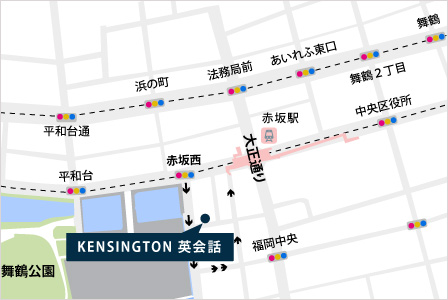
赤坂本校
〒810-0042
福岡市中央区赤坂1-12-3
ブラウンコーポ大津202
Website
西新校
〒810-0054
福岡県福岡市中央区今川2-3-48 アートビル202
TEL 090-2095-8124
Website
薬院校
〒810-0013
福岡県福岡市中央区大宮2-1-31 U/TERRACE 103
TEL 090-4346-9158
Website

ビジネス英会話でよく使う表現 – carve out a niche

Hello everyone, today we will introduce the phrase “carve out a niche”. This means to focus on a specific part of the market and to develop an expertise in it. We also use “niche” in “a niche market” 隙間市場; ニッチ市場.

carve out a niche (for a product)

(製品のための)隙間を作り出す

  • to create a speciality/ product / market that nobody else has

  • 他の誰も持っていない専門分野/製品/市場を創出する

“Through consistent innovation and creative management the company manages to carve out a niche for themselves in the under 20s age group.”

“革新を貫き独創的な経営を行うことによって、その企業は、20代より下の年齢層における、独自のニッチ開拓にこぎつける。”


ケンジントン英会話
赤坂本校
〒810-0042
福岡市中央区赤坂1-12-3
ブラウンコーポ大津202

西新校
〒810-0054
福岡県福岡市中央区今川2-3-48 アートビル202
TEL 090-2095-8124
Website
薬院校
〒810-0013
福岡県福岡市中央区大宮2-1-31 U/TERRACE 103
TEL 090-4346-9158
Website

英語を勉強する方法ー映画やドラマを観る

英語を勉強する方法ー映画やドラマを観る

This week I will show you a way to study English that my wife uses to improve reading listening and pick up natural expressions.
今週は私の妻が英語を勉強するためにやっていた、リーディング力やリスニング力を向上させ、自然な言い回しをピックアップするための方法を紹介します。

D.V.Ds
1. Choose dvd you like. Dramas are better than films. Shorter and easier to concentrate on.
好きなDVDを選びます。映画よりドラマのほうがいいです。短くて集中しやすいので。

2. Watch in English with Japanese subtitles.
日本語の字幕をつけて、英語で観ます。

3. Watch in English while reading the English subtitles. Write down any new or interesting phrases.
英語の字幕を読みながら、英語で観ます。知らないフレーズや興味深い言い回しはメモしましょう。

4 Watch in English with no subtitles, you should have picked up some new words, and will now be able to understand them even when they are spoken at natural speed.
字幕なしで英語で観てみましょう。新しい単語はすでに覚えたはずなので、それらが自然なスピードで話されているのを理解できるようになっているでしょう。

ケンジントン英会話
赤坂本校
〒810-0042
福岡市中央区赤坂1-12-3
ブラウンコーポ大津202
TEL 080-8363-5246
Website西新校
〒810-0054
福岡県福岡市中央区今川2-3-48 アートビル202
TEL 090-2095-8124
Website

薬院校

〒810-0013
福岡県福岡市中央区大宮2-1-31 U/TERRACE 103
TEL 090-4346-9158
Website

トラベル英語ーチップやオーダーの仕方ー

トラベル英語ーチップやオーダーの仕方ー

A lot of people are worried about how to tip when they go overseas and I often get asked how much to tip in restaurants.
多くの人は、海外旅行に行ったときのチップの払い方を心配していて、特にレストランでどれくらいチップを払えばいいのか?という質問は、頻繁に受けます。

Well, the answer is that’s really up to you, in the U.K it’s usual to tip about 10~15 percent but again it really depends on how good you thought the food and service was.
私の答えは、、これは本当にあなた次第だということです。イギリスでは10~15%を払うのが普通ですが、食事やサービスに対してどう思ったか、あなた次第なのです。

Another thing to remember when ordering in a restaurant is that we don’t I want when ordering from a menu.
別の話しですが、レストランでオーダーするとき、メニューの中からこれが欲しいとは言いません。

It’s better to say ..  より良い言い方は、、

“I’ll have the….please./ Can I have some….please?

I’ll have the steak, please. ステーキをお願いします。

Can I have some wine, please?  ワインをもらえますか。

Lastly, recommend. Please remember that recommend is a verb not a noun so the direct translation of お勧めは何ですか “What is your recommend?” is incorrect if you want to ask this question it is better to say…

最後に、recommendについて。recommend は動詞で、名詞ではないことを覚えておいてください。なので、「お勧めは何ですか」を直訳すると“What is your recommend?”になりますが、これは間違いです。
この質問をしたいならより良い言い方は、、

What do you recommend? おすすめは何ですか。

ケンジントン英会話
赤坂本校
〒810-0042
福岡市中央区赤坂1-12-3
ブラウンコーポ大津202
TEL 080-8363-5246
Website

〒810-0054
福岡県福岡市中央区今川2-3-48 アートビル202
TEL 090-2095-8124
Website

薬院校
〒810-0013
福岡県福岡市中央区大宮2-1-31 U/TERRACE 103
TEL 090-4346-9158
Website

日常英会話 – in,at and onの違いについて

日常英会話- in, at and onの違いについて

Well everyone, Friday is here. Time to relax and enjoy the weekend.
Here is the answer to a question that people often ask me… “What’s the difference between in, at, and on?”Well that’s a pretty big topic but here are the basics when referring to time.
 

Let’s start with on.

 
We use on for days and dates. on は曜日と日にちに使います。
例)
On Monday.
On Christmas Day.
On the 21st of June.
 
Next is at.
We use at to talk about the time/ 2 or 3 day periods/ and night. atは時間、2/3日間の期間,夜に使います。
例)
I get up at 6:30 every day.
In the U.K we usually go home at Christmas.
I often finish work late at night.
 
Lastly, let’s talk about in.
In is used to talk about longer periods of time like, months, seasons, years, decades and centuries. We also use it to talk about other times of day than night. Inはもっと長い期間に使います。例えば月、季節、年、年代、世代 などに使います。 朝、昼、夕方、にも使います。
例)
in the morning, the afternoon, the evening
I like to go to the beach in August/ in the summer.
I went to Korea in 2016.
I was born in the 1970s.
 
ケンジントン英会話
赤坂本校
〒810-0042
福岡市中央区赤坂1-12-3
ブラウンコーポ大津202
TEL 080-8363-5246
Website
 
西新校
〒810-0054
福岡県福岡市中央区今川2-3-48 アートビル202
TEL 090-2095-8124
Website

薬院校
〒810-0013
福岡県福岡市中央区大宮2-1-31 U/TERRACE 103
TEL 090-4346-9158
Website

今週末のレッスン – 映画について

今週末のレッスン – 映画について

皆さんこんにちは。今週末のレッスンのテーマは映画です。担当する先生は素敵なジェイミー先生です!これらは私の生徒達が映画について話してる時によく間違える例文です。
Hi everyone just to get you prepared for this weekends lessons which is  with the wonderful Jaimie sensei here are a few simple mistakes that people often make when talking about films.

 Firstly: Cinema.  The cinema is a place where we see films (sometimes known as the movies in the U.S.)  Because the cinema is a place, we don’t go to see the cinema we go to the cinema to see/ watch a film.

 ・I went see a cinema. 映画館を見に行きました X
 ・I saw a film at the cinema. 映画館で映画をみました。

今週末レッスンを受講される方は、ぜひ覚えておいてくださいね。
Please try to keep these 2 points in mind when you come to you lesson this weekend.
 
Secondly: Interesting and funny. People often get these 2 mixed up because they are the same word in Japanese but in English interesting is something for example that captures your attention and probably teaches you something that you didn’t know(興味深い) whereas funny is something that makes you laugh.(笑わせる)Here is a snippet of some of the things we will be teaching you this weekend.

・What’s the most hilarious film you have seen?
一番笑えた映画は何ですか。

・“There’s something about Mary” is the most hilarious film I’ve seen.
メリーに首ったけが、見た映画の中で一番笑えました。

・Do you have a favourite director?
お気に入りの映画監督はいますか。

・Yes, I love Martin Scorsese. He directed “The Departed”.
はい、マーティンスコセッシが大好きです。ディパーテッドの監督をしました。

・Who stars in “The Departed”? 
ディパーテッドの主役は誰ですか。

・Matt Damon and Leonardo DiCaprio star in it.
マットデイモンとレオナルドディカプリオが主役ででています。

・What film do you want to watch next?
次は何の映画を見たいと思っていますか。

・I can’t wait to see “ La La Land”.
ララランドを見るのが待ちきれません。

 Look forward to seeing you this weekend Jaimie.

ケンジントン英会話
赤坂本校
〒810-0042
福岡市中央区赤坂1-12-3
ブラウンコーポ大津202
TEL 080-8363-5246
Website
 
西新校
〒810-0054
福岡県福岡市中央区今川2-3-48 アートビル202
TEL 090-2095-8124
Website
 
薬院校
〒810-0013
福岡県福岡市中央区大宮2-1-31 U/TERRACE 103
TEL 090-4346-9158
Website

bang for the buck – ビジネス英語

Hello everyone, every Monday, we will introduce a phrase or expression used for business. This week I will introduce the term “bang for the  buck”. This is an American term but is commonly used throughout the English speaking world. It simply means value for money.

bang for the buck (US)

ドルを払うに足る刺激(アメリカ英語)

  • value for money

  • 金を払うだけの価値

“Our advertising promotion didn’t get much bang for the buck.”

“我々の、広告による販売促進キャンペーンは、費用の割にあまり効果がなかった.”

〜高校生、大学生限定!春のスキルアップキャンペーン〜

〜高校生、大学生限定!春のスキルアップキャンペーン〜

19,800円  /  12回
 

卒業旅行の季節。旅行をもっと楽しいものにしませんか?
将来英語を使う仕事をしませんか?
いま、あなたの英語力を向上させよう!!

なぜ受けるの?
高校や大学の英語の授業は、文法・ライティング・リーディングに注力しすぎるあまり、
スピーキングはさほど重視されていません。
ケンジントン英会話では、あなたが学校で学んだことを最大限に活かしながら、
さらにスピーキング力を向上させます。

スクールの特徴
1) 一人一人のスピーキング力向上のため、少人数制を採用しています。
2) レッスンのテーマは、旅行やビジネス、日常会話で実際に使えるものばかりです。
3) 12回のレッスンは、わたしたちが運営する3校(赤坂・薬院・西新)どこでも受ける事ができ、
4) 各教室のスケジュールに合わせて柔軟に選ぶ事ができます。
5) とても便利なオンライン予約サービスを実施しています。
6) 独自の予習システムを採用しており、1回目の授業から英語を楽しく話すことができます。

料金
19,800円/12回 (グループレッスン) (消費税込、入会金、テキスト代不要)

対象
高校生、大学生(3月に卒業の方も対象)

期間
2017年3月1日~4月30日

ケンジントン英会話
赤坂校
〒810‐0042
福岡市中央区赤坂1-12-3
ブラウンコーポ大津202
TEL 080-8363-5246
Website

西新校
〒810‐0054
福岡市中央区今川2-3-48 今川アートビル202
TEL090‐2095‐8124
Website

薬院校
〒810‐0013
福岡市中央区大宮2-1-31 U/TERRACE 103
TEL 090‐4346‐9158
Website


Tim’s Blog – ヴァレンタインデー この週末のクラスの重要単語と構文レベル1~3

Hello everyone,

Valentine’s Day was last Tuesday. Did you get a lot of chocolate. I was very lucky to get some delicious chocolate from some of my students and from our lovely Kensington secretaries. Thank you!!

←- Shortbread cookies and two beers from Rina and Aya. Thank you!!

This weekend we are going to talk about Valentine’s Day and I’d like to introduce you some of the important vocabulary and grammar for each level.

Level 1

We will start the level 1 class with:

What do you love to do in the morning? 
朝に何をするのが大好きですか?

Then we will practice the same question with many different time expressions such as

in the evening 夕方に、晩に
at the weekend 週末に
in my free time 暇な時に
on Sundays 日曜日に
on Sunday mornings 日曜日の朝に
in the summer 夏に

etc…

Students should ask this question and also try to ask follow up questions.
For example:

What do you love to do in the morning? 
I love to drink coffee and watch the news.
What kind of coffee do you like?
Do you drink coffee every day?

We will also talk about what we did on Valentine’s day and practice expressions for giving. For example:

buy something for someone
I buy chocolate for my co-workers. 職場の人にチョコを買います。
make something for someone
I make chocolate cookies for my friends. 友達にチョコクッキーを作ります。
give something to someone
I give flowers to my girlfriend. 彼女に花をあげます。
get something from someone
I got chocolate from my wife. 奥さんにチョコをもらった。
etc.

Level 2

Level 2 will start in the same way as Level 1 but as always students should be able to continue the conversation for much longer.
For the level 2 class we will also introduce some more words that mean “love”

For example
take great pleasure in 大いに楽しむ
greatly enjoy  〜を大いに楽しむ、心ゆくまで楽しむ
be crazy about 〜にいかれている、〜狂であ
be really into  何かにのめりこむ
etc…
Then we will talk about how we usually spend Valentine’s Day amongst other things.


Level 3

In the level 3 class we will introduce even more expressions to say love, for example :

take delight in 〜に喜びを感じる、好む
greatly enjoy  〜を大いに楽しむ、心ゆくまで楽しむ
relish 〜を味わう、楽しむ、好む
derive great pleasure from 〜から大きな喜びを得る、大いに楽しむ
be addicted to 〜に病みつきである
get a kick from 〜にスリルを覚える、スカっとする (この場合、kickはドラッグから得る刺激のこと)
have a thing for 〜に特別な感情を抱いている、大好きである
savour 〜を味わい楽しむ
be mad about 〜に熱くなっている、〜狂である
be crazy/nuts/wild about 〜にいかれている、〜狂である
be hooked on 〜の虜になっている、夢中になっている
be into something 何かにのめりこむ

and talk about what we love to do.
Then we will have a general conversation about Valentine’s and White day after which we will talk about how we spend Valentine’s day and how we feel about different romantic activities.
See you in class!!


Jaimie’s blog Level 2 British slang

Jaimie’s blog Level 2 British slang

2 weeks later my lesson will be about the fantastic country of Britain!
After we finish the lesson I’m sure you will all be so excited to visit that beautiful island so here are a few British terms that you don’t really learn in class.

First of all money.  Usually we call our money pounds but pounds are also called quid. We also sometimes call money dough.
Example: I need to go the bank, I only have a few quid left./ I don’t have much dough.

Skint.   This means I have no money.
Example:  I can’t go out this weekend I’m skint.
 
Loaded: This means you have a lot of money.
Example: That guy must be loaded, he has a Ferrari and  Lamborghini.

Next let’s talk about food. There are many different ways to say food in the U.K; here are a few.

nosh, grub, scran,
Example:  I’m starving let’s get some scran.

We also have some slang words for food that you may not have heard of.
 
sausages- bangers
 
potatoes- spuds
 
French fries- chips
 
sandwich – butty
 
potato chips- crisps
 

We have a few pretty cool expressions to express emotions

To show surprise.   Cor Blimey!  /    Stone the crows!
 
To show you are pleased.  Chuffed.
 
To say you are not happy about something or in a bad mood.  Cheesed off.
 
To show major disappointment.    Gutted
 
Drunk!       Plastered!

There are plenty to remember there I’d be well chuffed if someone tried them out in my next lesson so good luck.
 Hope to see you all at the party.( I’ll try not to get plastered!)

 Jaimie