






【Henry講師】
はじめに:日本では毎年夏になると、スイカ割りという楽しい風習があります。海水浴やお祭り、友人や家族との集まりで特に人気があります。多くの生徒から、このユニークなアクティビティーを特に外国人の友人や観光客と話すときに、英語でどう説明するのか質問を受けます。このブログでは、便利な表現と例文を使って、スイカ割りを英語でどう説明するかを紹介します。また、この楽しい夏の遊びに参加した私自身の経験も紹介します!
英語で「スイカ割り」を説明する方法

スイカ割りを外国の人に説明するときに使える英文を紹介します:
1.Suikawari is a traditional Japanese summer game where someone tries to break a watermelon while blindfolded.
(スイカ割りは、目隠しをしてスイカを割る伝統的な日本の夏の遊びです。)
語彙のヒント:
Traditional =文化を通して受け継がれてきたもの。
Blindfolded =見えないように目を覆った状態。
2.In suikawari, a person is spun around and tries to hit the watermelon with a stick.
(スイカ割りでは、人がくるくる回って棒でスイカを叩こうとします。)
文法ポイント:
「Is spun around」は受動態です。主語が動作を受けます。
3.People nearby shout directions to help the player find the watermelon.
(目隠しをしている人がスイカを見つけられるように、近くにいる人たちが大声で指示を出します。)
便利なフレーズ:
「Shout directions 」は、大声で「左!」「右!」 「止まれ!」などと指示を出すことを意味します。
4.If the player hits the watermelon, it breaks open and everyone shares the sweet fruit together.
(もしスイカを叩くと割れるので、みんなで甘いスイカを分け合います。)
文化に関するメモ:
スイカを割った後のおすそ分けも楽しみのひとつ!
5.It’s a popular activity at the beach or during summer festivals in Japan.
(日本ではビーチや夏祭りで人気のアクティビティです。)
便利な表現:
「Popular activity 」は楽しいことや一般的なことを話す一般的な表現です。
文章を並べて言ってみましょう:
Suikawari is a traditional Japanese summer game where someone tries to break a watermelon while blindfolded.
In suikawari, a person is spun around and tries to hit the watermelon with a stick.
People nearby shout directions (Right! Left! Stop!…) to help the player find the watermelon.
If the player hits the watermelon, it breaks open and everyone shares the sweet fruit together.
It’s a popular activity at the beach or during summer festivals in Japan.
スイカ割りは、目隠しをしてスイカを割る伝統的な日本の夏の遊びです。
スイカ割りでは、人がくるくる回って棒でスイカを叩こうとします。
目隠しをしている人がスイカを見つけられるように、近くにいる人たちが大声で指示を出します。(右!左!止まれ!…)
もしスイカを叩くと割れるので、みんなで甘いスイカを分け合います。
日本ではビーチや夏祭りで人気のアクティビティです。
他の国の同様の伝統行事

ピニャータ(メキシコ、その他のラテンアメリカ諸国)
キャンディーや小さなおもちゃを詰めた色鮮やかな容器(動物や星の形をしていることが多い)。目隠しをした参加者が棒で割って開けようとします。スイカ割りと同じように、目隠しをしたまま物を叩き、お菓子をみんなで分け合います。誕生日会やお祭りでよく行われます。
日本での私のスイカ割り体験

スイカ割りを初めてやったのは、岡山県玉野市で家族や友人とビーチでバーベキューをしたときでした。その日は8月の暑い日で、大きなスイカと棒、目隠し用のタオルを持参しました。5歳くらいの一番小さな子どもから順番に、みんなスイカを叩いてみました。私の番がきたとき、ちょっと回転しすぎてめまいがしてしまいました!スイカまで2メートルも外してしまいました!やっと誰かがスイカを叩き、私たちは炎天下の中、甘くて冷たいジューシーなスライスを食べました。
まとめ:
スイカ割りは楽しくてユニークな日本の夏の文化の一つです。日本の人々が友人や家族とこの季節をどのように楽しむかを示す素晴らしい例です。スイカ割りのような伝統を英語で説明できれば、世界中の人々とつながり、誇りを持って日本文化を分かち合うことができます。今度「スイカ割りって何?」と聞かれたら、この記事の例文を使ってみてください。
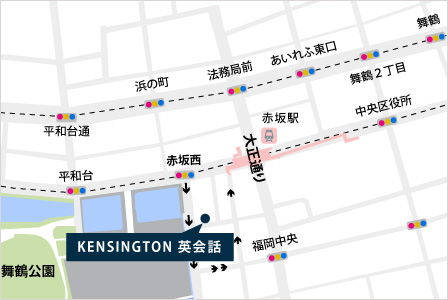
実践的な英語ならケンジントン英会話
ケンジントン英会話では、教科書には載っていない、活きた表現を身に付けることができます。
福岡市内の教室やオンラインで、経験豊富でフレンドリーな講師と一緒に英語を学びませんか?
実践的な英語を学びたい方はケンジントン英会話の公式サイトをチェック!
[英語原文]
スイカ割り(suikawari) Japan’s Summer Watermelon Game Explained in English
Introduction:
Every summer in Japan, people enjoy a fun tradition called スイカ割り (suikawari). It’s especially popular at beaches, festivals, and summer gatherings with friends and family. Many students ask me how to explain this unique activity in English, especially when talking with foreign friends or visitors. In this blog post, I’ll show you how to describe suikawari clearly in English using useful expressions and example sentences. I’ll also share my own experience participating in this fun summer game!
How to Describe “Suikawari” in English
Here are some useful English sentences you can use to explain スイカ割り (suikawari) to people from other countries:
- Suikawari is a traditional Japanese summer game where someone tries to break a watermelon while blindfolded.
Vocabulary tip:
Traditional = something passed down through culture.
Blindfolded = with your eyes covered so you can’t see. - In suikawari, a person is spun around and tries to hit the watermelon with a stick.
Grammar point:
“Is spun around” is passive voice. The subject receives the action. - People nearby shout directions to help the player find the watermelon.
Useful phrase:
“Shout directions” means to loudly give instructions like “left!” “right!” “stop!” - If the player hits the watermelon, it breaks open and everyone shares the sweet fruit together.
Cultural note:
Sharing the watermelon after is a big part of the fun! - It’s a popular activity at the beach or during summer festivals in Japan.
Useful expression:
“Popular activity” is a common way to talk about fun or common things to do.
Let’s put the sentences together and say:
Suikawari is a traditional Japanese summer game where someone tries to break a watermelon while blindfolded.
In suikawari, a person is spun around and tries to hit the watermelon with a stick.
People nearby shout directions (Right! Left! Stop!…) to help the player find the watermelon.
If the player hits the watermelon, it breaks open and everyone shares the sweet fruit together.
It’s a popular activity at the beach or during summer festivals in Japan.
Similar traditions in other countries
Piñata (Mexico and other Latin American countries)
A brightly colored container (often shaped like animals or stars) filled with candy and small toys. Blindfolded participants try to break it open with a stick. Like suikawari, it involves hitting an object while blindfolded, and sharing the treats with others. It’s common at birthday parties and festivals.
My Experience Playing Suikawari in Japan
I tried suikawari for the first time at a beach barbecue with my family and friends in Tamano Okayama. It was a hot August day, and we brought a big watermelon, a stick, and a towel to use as a blindfold. Starting from the youngest child who was around 5 years old, we all took turns to try to whack the watermelon. When my turn came, they spun around a little too much and I felt dizzy! And yeah I missed the watermelon by two meters! Finally someone whacked it and we sweet, cool juicy slices in the hot sun.
Conclusion:
Suikawari is a fun and unique part of Japanese summer culture. It’s a great example of how people in Japan enjoy the season with friends and family. Being able to explain traditions like suikawari in English helps you connect with people from around the world and share Japanese culture proudly. Try using the example sentences from this post the next time someone asks you, “What’s suikawari?”
実践的な英語ならケンジントン英会話
ケンジントン英会話では、教科書には載っていない、活きた表現を身に付けることができます。
福岡市内の教室やオンラインで、経験豊富でフレンドリーな講師と一緒に英語を学びませんか?
実践的な英語を学びたい方はケンジントン英会話の公式サイトをチェック!