投稿者「kensington」のアーカイブ

イギリス英語とアメリカ英語 その1

Tim’s Blog — British English – American English pt.1

イギリス英語とアメリカ英語   その1

As you probably know, there are some differences between American English and British English. One of those is that we sometimes use different words to express the same thing.

For example Americans would probably say “The Fukuoka subway” Brits would say “The Fukuoka underground”.

ご存知の方も多いでしょうが、アメリカ英語とイギリス英語にはいくぶん違いがありまして、その1つは、同じものを言い表すのに違う言葉を使うことがある、ということです。例えば、アメリカの人は、福岡市地下鉄のことを”The Fukuoka subway”と言うでしょうが、イギリスの人は、”The Fukuoka underground”と言います。


Following is a first set of words related to travelling English that we use differently. We will publish the second one shortly.

以下は、イギリスとアメリカでは表現が異なる、旅行関連の英語その1です。その2も間もなくお届けします。


UK  /  US

イギリス / アメリカ


Underground / Subway

地下鉄


City Centre / downtown

中心街


Hand luggage / carry-on baggage

手荷物


Single ticket / one way ticket

片道切符


Return ticket / round trip ticket

往復切符


Motorway / freeway

高速道路


Public toilet / restroom

公衆トイレ


Lift / elevator

エレベーター

鉄道関連の慣用句

 Train idioms

鉄道関連の慣用句

On my last visit to the U.K my wife was a little surprised to see my brother and I leaving the house at exactly the time the train we were to travel on was due to arrive at the station.

前回イギリスを訪れたとき、私と弟が、乗車予定の電車が駅に到着するのと全く同じ時刻に家を出るのを見て、私の妻はちょっとびっくりしていました。


“Don’t worry it’s always half an hour late”

「心配ないって。いつも30分遅れなんだから」


Was the response we gave her when she asked us why. Good old British Rail! I have to admit it’s one of the things I don’t miss about living there.

というのが、彼女が疑問を投げ掛けてきたときの、私達の反応でした。古き良きイギリスの鉄道!ここ日本に住んでいて、なくてよかったと思うものの1つと認めざるをえません。


My lesson for this weekend is about useful phrases to know when getting on a train, so here are a few commonly used train idioms .

今週末のレッスンでは、電車に乗る時に知っていると役に立つ表現を扱います。という訳で、よく使われる電車関連の慣用句をいくつかお届けします。


Train of thought (the sequence of someone’s thoughts)

考えの電車 (一連の考え)


Be quiet please! You interrupted my train of thought and I can’t remember what I was going to say.

静かにしてちょうだいよ!あなたのせいで、何考えてたか分かんなくなっちゃったじゃない。何言おうとしてたか思い出せないわ。


Out of steam/ Out of puff (To be out of energy)

蒸気切れ/煙切れ (エネルギー切れ状態のこと)


I’m getting out of shape! I was out of puff the other day just walking up a flight of stairs.

体がなまってきてるな!こないだなんて、階段を上るだけで息切れしちゃって。


Back on track(back to the normal situation)

線路に戻って (通常の状態に戻って)


Behind schedule (late)

時刻表の後で(遅れて)


The construction of the new stadium was behind schedule, but thanks to a lot of great effort it is now back on track.

スタジアムの新設工事は予定より遅れていたが、多大な労力をかけた甲斐があって、今は予定通りの状態に戻っている。


Railroad (to push something through despite opposition)

〜を鉄道輸送する(反対があるにもかかわらず、押し通すこと)


Full steam (to move along quickly)

いっぱいの蒸気(迅速に対応すること)


Despite opposition to the plans for the site of the new stadium it was railroaded through government and now construction is going ahead full steam.

反対があるにもかかわらず、スタジアム新設予定地案は、政府によって強行採決され、工事が現在全速力で進められている。


A train wreck (a situation which is out of control)

列車事故 (手に負えない状況)


I don’t know what happened to that girl. She was such a lovely child, but now her life is a complete train wreck.

あの女の子に何があったのか、私は知らないの。あんなにかわいい子だったのに、今はどうしようもない暮らしぶりだわ。


Hope they come in handy.

お役に立てば何よりです。


See you at the next lesson.

次回のレッスンでお会いしましょう。


Jaimie

ジェイミー

猫関連の慣用句 ー パート2

Tim’s Blog – Cat  idioms – Part 2

猫関連の慣用句 ー パート2


My mother always reminds me that the first word I said when I was a toddler was cat. It was the 3rd word that my daughter spoke since we have two cats at home. For all other cat lovers out there, here are some more very popular cat idioms.

幼い頃の私が初めて話した言葉は cat だった、と母はいつも言います。私の娘にとっては、3番目に話した言葉です。家で猫を2匹飼っているものですから。猫好きの皆様へ、猫関連の慣用句の中でも特に親しまれているものを、さらにいくつかお届けします。


play cat and mouse: Amuse oneself or trifle with, toy with, as in

She loved to play cat and mouse with an admirer, acting by turns friendly, indifferent, and jealous.

猫とねずみを演じる:〜を楽しむ、〜をもてあそぶ。

彼女は、親しげに振る舞ったと思ったら、冷淡にあしらい、そしてやきもちを焼き…というのを繰り返しては、彼女に思いを寄せる人をじらすのが大好きだった。


more than one way to skin a cat: More than one method to reach the same end.

There’s more than one way to skin a cat you know. We’ll find another way.

猫の皮をはぐ方法は1つではない:同じ結果に至る方法は1つではない。

方法は1つだけじゃないでしょ。他のやり方が見つかるよ。


Look at what the cat dragged in!: Well, look who has just arrived! (a little impolite)

Well, look at what the cat dragged in! I thought you would never come.

猫が引きずり込んだものを見て!:あら、誰が来たかと思ったら!(ややぞんざい)

これはこれは、誰かと思ったら!絶対来ないだろうと思っていましたよ。


let the cat out of the bag: to reveal a secret or a surprise by accident.

It’s a secret. Try not to let the cat out of the bag.

猫を袋から出させる:うっかり秘密や意外な事を漏らすこと。

それ、秘密だよ。ばれないようにね。


fight like cats and dogs : to argue violently all the time.

My brother and I fought like cats and dogs when we were kids.

猫と犬のようにけんかする:常に激しく口論すること。

子供の頃、兄と私は犬猿の仲でした。

私の英語学習法:「振り込め詐欺は英語で?」

皆様こんにちは。スタッフの山下でございます。

バレンタインデーも終わり、確定申告の時期になりました。
私もレッスンを受けている、ケンジントン・ヨガのクラスメイトの方も、今から税務署に寄らなくちゃ!と忙しげに帰って行かれました。

税務署といえば、数年前、家にかかってきた怪しげな電話を思い出します。

男性:「国税局の者ですが、そちらの確定申告の還付金の額が多くできることが分かりましたので・・・」
山下:「は?確定申告は、毎年税務署でしていますが。国税局の管轄ではありませんよね?」

そこで、突然電話が切れました。

調べてみると、国税局は税務署を管轄しているので、彼の言うことも一応筋が通っていたのですが、私が不勉強なわりに偉そうに切り返したのが効いたらしい。

一昔前は「オレオレ詐欺」という言葉がメディアを騒がしていたものですが、今は「振り込め詐欺」とよく言いますね。

オレオレ詐欺は、”it’s me, it’s me (telephone) fraud/scam” とか、英語ニュースで言っていました。でも、当時習っていた英会話の先生には、一発では通じなかったです。

振り込め詐欺は、”bank transfer fraud/scam”, ” billing fraud”, ”grandparent scam”などなど、他にもたくさんウェブサイトや辞書に紹介されていました。

単語や用語をジャンル分けしてリストを作る、というのは、通訳者の方々もよく使う語彙習得法とのことで、私も後塵を拝しつつ、英語ニュースで聞いた単語や、英字新聞で見つけた表現を、リストにすることに熱中していた時期がありました。
というわけで、今回は詐欺関係の表現を少し。

swindler
quack
con artist
setup
take in
crime ring
charlatan
rip off
…

映画 ”Austin Powers Deluxe” で、Dr. Evilの息子のScottが ”Rip-off!” と叫んでいますが、訳は、「パクるな!」だったと思います。

(ちなみに画像左の彼は、右にいるDr. Evilの息子Scottではなく、クローン?のMini-Me)

よかったら皆様も、言葉集めをお楽しみ下さいませ^^♪

猫関連の慣用句 ー パート1

Tim’s Blog – Cat idioms – Part 1

猫関連の慣用句 ー パート1

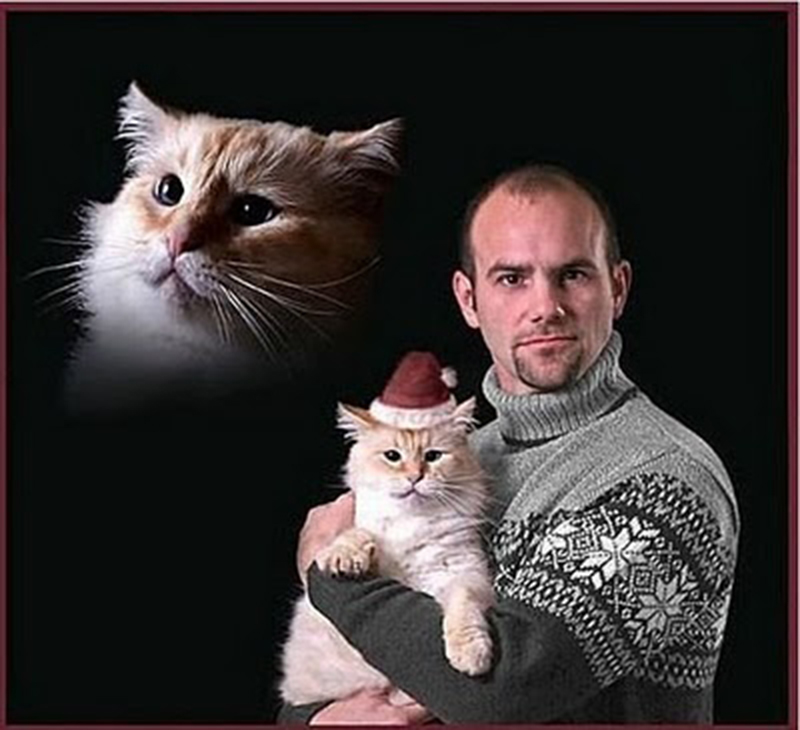
Some people are really crazy about their cats. I found the photo above somewhere on the net a year ago and since then, I was always thinking of some way to use it. Luckily cats aren’t only used in tacky photographs but also in many idioms in the English language.

So here are some very popular ones.

 猫を飼っている人達の中には、自分の猫にすっかり夢中という人も。1年前にネット上でこの画像を見つけて以来、どうやって使おうかな、といつも考えていました。幸い、猫は、チープな写真だけでなく、英語の慣用句でもたくさん使われています。というわけで、今回は、特に人気のある猫関連の慣用句をどうぞ。


a fat cat : an impolite way of referring to someone who is very rich and powerful

After the Lehman shock the whole world was rightfully angry towards the fat cat bankers whose stupidity and greed almost drove the western world to collapse.

 太った猫:大金持ちで権力のある人を揶揄した呼び方

リーマンショック後、世界中が、その愚かさと欲深さとでもって、西欧諸国を崩壊寸前まで追い込んだ、金持ちの銀行家達に怒りの矛先を向けたのも、もっともである。


Cat got your tongue?: Why are you not saying anything? (Often said by adults to children.)

Why aren’t you saying anything? Cat got your tongue?

猫が舌を持って行っちゃった?:どうして何にも言わないの?(大人が子供に尋ねるときによく使われる。)

どうして何も言わないの?どうして黙ってるの?


be the cat’s whiskers : to be better than everyone else

I thought I was the cat’s whiskers in my new socks and shoes. Unfortunately no other person shared my feelings.

 猫のひげである:他の誰よりも優れていること

おニューの靴下と靴を履いて、俺って他の誰よりもイケてるって思った。誰も俺の気持ち分かってくれなくて残念だったな。


raining cats and dogs: to be raining in great amounts

I’m not going anywhere in this ghastly weather. It’s raining cats and dogs!

 猫と犬を降らせている:(神話で、猫は雨を降らせる力を、犬は風を起こす力があると信じられていたことから)大雨が降っていること

こんなひどい天気なんだから、どこにも行きません。土砂降りでしょ!


I will be posting the second part of idioms and proverbs soon.

慣用句とことわざ、第2部も間もなくお届けします。

日本人がよく間違える英語 Know

People often make a mistake with the use of the word know.

know は、使い方を間違えやすい単語です。

It’s common in Japanese to say 知る(know) while in English it’s more common to use 聞く(hear) .

日本語で「知る(know)」と言うことはよくありますが、英語では「聞く(hear)」を使うことのほうが多いです。

For example you might say…

例えば…

I knew it for the first time the other day.

それ、この前初めて知ったよ。

But we would usually say..

と言いますが、英語では普通…

I heard it for the first time the other day.

それ、この前初めて聞いたよ。

と言います。

English speakers will probably understand you, but it feels very unnatural to use know in this way.It may be a little confusing because in the question we use know.

英語話者はおそらく分かってくれるでしょうが、knowをこういうふうに使うと、かなり不自然な印象を与えます。疑問文ではknowを使うので、少しばかり紛らわしいかもしれません。

Did you know that?

それ、知ってた?

No, I heard it for the first time the other day.

ううん、それ、この前初めて聞いたよ。

The other thing that is tricky is prepositions.

他に扱いづらいものといえば、前置詞があります。

For example.

例えば。

I heard it from a friend.

それ、友達から聞いた。

I read it in the newspaper.

それ、新聞で読んだよ。

I saw it on the T.V

それ、テレビで見たよ。

I heard it on the radio.

それ、ラジオで聞いた。

I saw it on the Internet.

それ、ネットで見ました。

Here are a few idioms using know.

ここで、knowを使った慣用句をいくつか。

I heard it on the grapevine.(to hear something from an unidentified source, to pick up information from somewhere).

ぶどうのつる伝いに聞く。(未確認の情報源から聞く、どこかからか情報を入手する)

How did you know I was getting married?

僕が結婚するって、どうして知っていたの?

I heard it on the grapevine.

人づてに聞いたんだ。

A know it all (a person who likes to show off their knowledge to others.)

知ったかぶり(自分の知識を他人にひけらかすのが好きな人。)

Do you know Jaimie?

ジェイミーを知ってる?

Yes, but I can’t stand him. He’s a real know it all.

うん、でも彼には我慢ならないよ。ほんと、知ったかぶりなんだ。

Know it like the back of your hand. (To know something really well)

手の甲のように知っている。(何かをとてもよく知っているということ)

Don’t you need a map?

地図はいりませんか?

No, not at all. I know this city like the back of my hand.

いいえ、全然。この街は自分の庭のようなものですから。

Dying to know.(Really want to know)

知りたくて死にそうだ。(とても知りたい)

I can’t wait to see the final episode of that programme tonight. I’m dying to know what happens.

今夜の、あの番組の最終回を見るのが待ちきれない。何が起こるのか、知りたくてたまらないの。

Kensington Yoga is now Open!

IMG_2778

こんにちは。スタッフの城谷です。
火曜日の夜、Tamiyo先生のクラスを担当していますが、実は本業はヨガのインストラクター^^ この度、Kensington グループのヨガ部門 ” Kensington Yoga” を始めることになりました!

私がヨガに出会ったのは、New Yorkに留学をしていた頃で、かれこれ20数年前でしょうか。モノクロの写真集の中で、男性が頭立ちのポーズをしていたり、キャンドルの炎とともに瞑想をしていたり、、と、初めてそのような写真を見た私は、ヨガとはなんて神秘的で美しいものなのかと、強く印象に残っていました。
でもヨガスタジオのドアを開ける勇気がなく、そのまま数年が経っていきました。

その後、日本で島暮らしをしていた時、何もすることがなかったので、毎日何か決めたことをしようと考え、「ヨガをしよう!」とDVDで練習を始めたのが、10数年前でした。
ヨガだけは毎日して、よし!という気持ちになっていました。そして、そのうちヨガをしないと身体のバランスが崩れることに気づき、飽きることなく続けていきました。
福岡へ引越しをして、まずは仕事を探しましたが、次にしたのが、良いヨガスタジオを探すことでした。
その時にAnusara Yogaと出会い、その原点でもある哲学、基本的原則など、ヨガの勉強をすればするほど奥深さに興味は尽きず、今ではヨガを教え、そして日々学ぶ生き方を満喫するようになっています。

Kensington は、みなさんご存知のように、Tim , Jaimieという素晴らしく発想の豊かな、そして熱心な人が運営しているので、このような英語とヨガが融合したユニークな “Kensington Yoga” が生まれました。
身体が硬い、運動が苦手、という方でも大丈夫です。ヨガは呼吸さえできればできます^^ 立ってポーズをとることがヨガではありません。座って自分の軸を感じたり、呼吸の出入りを意識したり、、内観をすることがヨガの真意です。

ご希望であれば英語でヨガクラスも行いますので、ぜひ体験してみてください!”Kensington Eikaiwa” と “Kensington Yoga” を両方受けられる方は、スペシャル価格もご用意しますのでお問い合わせくださいませ。

皆さまとのお付き合いも新たに、今後ともどうぞよろしくお願いいたします。

ティム先生の福岡暮らし

Tim’s Blog – Fukuoka

 ティムのブログ—福岡

I have lived in Fukuoka for about 14 years now and since I always believed that where I lay my feet at night is home, Fukuoka has been my home for 14 years. I love it here, I love the food, the people and the proximity to the sea and the mountains. Here is a brief history of the different places in Fukuoka that I have lived.

福岡に暮らして約14年になります。夜は家に足を落ち着けるのがいいと思うようになって以来14年間、福岡住まいを続けています。居心地がとてもいいですし、食べ物、人々、海と山に近いこともすごく気に入っています。さてここで、福岡の今の住まいとは別のところに住んでいた頃のことを、かいつまんでお話ししましょう。

When I first came to Fukuoka I lived in Chikugo (near Kurume) for 6 months with my wife’s family. Chikugo was OK I guess and my wife’s parents were extremely kind and generous to me, as so many nice Japanese people I have met over the years, but having lived most of my life in rather big cities, I found it a little boring.

 福岡に初めて来て6か月間は、筑後(久留米の近く)に、妻の家族と一緒に住んでいました。筑後は良いところだったと思います。この数年の間に、親切な日本の人々にもずいぶんたくさん会いましたが、妻の両親は私にとても親切にしてくれ、寛大に受け入れてくれました。とはいえ、人生の大半を大都市で暮らしてきた私にとっては、ここでの暮らしは少々退屈でしたね。

So we moved to Fukuoka city and more specifically, Otemon, near Ohori park. We lived there for a few years and the location was really nice(especially for accessing the park and a nice yakitori shop just across the road), but there was another building built just a couple of metres from our window, which completely shut our sunshine off. Also the bike riders at night were quite bothersome so time to move again.

 というわけで、私達夫婦は福岡市に引っ越し、大濠公園近くの大手門で数年間暮らしました。本当にいい場所でしたね。(特に、大濠公園に行きやすくて、道の真向かいにおいしい焼き鳥屋があったところが)。ところが、私達の部屋から数メートルのところに新しいビルが建ったので、部屋に陽が全く差さなくなってしまいました。夜、バイクの音がかなりうるさかったこともあり、再び引っ越し時となりました。

Next stop Daimyo!! Excellent location, so convenient that we can just access so many restaurants and bars just minutes on foot away from our house. Drawbacks included drunks every weekend and that was definitely not a place to start a family.

 次に落ち着いたのは大名!! とてもいい場所です。非常に便利ですし、レストランやバーが歩いて数分のところにたくさんあります。ですが、週末ごとに酔っ払いの人が出るといった問題もあって、ここで子供を生んで育てるというわけには、絶対に行きませんでした。

Now we are happily living in Yakuin. Excellent location, nice restaurants nearby, minutes away from Tenjin, very very very quiet, especially compared with Daimyo or Otemon. Only drawback is that there aren’t any nice parks within walking distance. Yakuin has proved to be an excellent place to start my family and we have been happily living here since.

現在私達は、薬院で幸せに暮らしています。とてもいい場所で、おいしいレストランが近くにあって、天神へも数分で行けるし、特に大名や大手門と比べると、閑静なことこの上ないです。唯一の問題といえば、徒歩で行けるいい公園がないことくらいです。薬院は家族での生活を始めるのにとてもいいところで、ずっと楽しく暮らしています。

How about you? Where do you live?

皆様の暮らしはいかがですか?どちらにお住まいですか?

「新年の決意」関連の慣用句

New Year’s Resolution Idioms

「新年の決意」関連の慣用句


Happy new year everyone.

あけましておめでとうございます。

Hope you all had a great Christmas and new year, and restored all your energy for another year of hard study with me.

皆様が、素晴らしいクリスマスと新年をお迎えになり、そして、今年もまた私と一緒に頑張って英語を学ぶために、英気を養えたのでしたら、何よりです。

By the way has everyone made their new year’s resolutions yet? Last year I seem to remember that I decided to shed a few pounds because I had put on some beef. It was an absolute failure of course, but never mind. I tried.

ところで、皆様はもう新年の決意をなさいましたか?去年は、どうやら私は少し体重を落とすと決めていたようなのです。というのも、ちょっとお肉が付いちゃったので。言うまでもなく、完全な失敗に終わりましたが。でも、気にしないで。頑張ったんですから。

Today, I’d like to show you a few phrases that could be used to talk about new year’s resolutions and their success/failure.

今日は、新年の決意と、それがうまくいった・いかなかったということを表現する際に使える慣用句を、少しばかりご紹介したいと思います。

First

最初に

Take up.  ( Begin a new sport or activity).

持ち上げる。(新しいスポーツや活動を始める。)

I’ve decided to take up jogging to help me shed a few pounds.

数ポンド体重を落とせるかと思い、ジョギングを始めることに決めました。

Have you heard? Tim has taken up ballet.

聞いた?ティムがバレエを始めたんだって。

Cut down on.  (Try to reduce the amount of something which usually bad for us.)

〜を削減する。(通常よくないものの量を減らそうとする。)

I’d like to cut down on cigarettes, but it’s so difficult.

たばこを減らしたいんだけど、ものすごく難しいね。

Turn over a new leaf. ( To completely change something that you have been doing up to now for the positive)

新しいページをめくる。(今までやっていたことを、すっかり良い方向に変える)

I was so lazy last year. But this year I’m going to turn over a new leaf, get all my work done on time, and take up a sport.

去年は超怠け者でした。でも今年は心機一転し、仕事は予定通りに終わらせるようにして、スポーツを始めようと思います。

Give up the ghost ( stop doing something because you think you won’t succeed/ lose the will to succeed)

幽霊を諦める(成功しないと思ったり、成功させようという気持ちをなくしたりして、物事をやめること)

I tried to quit smoking but gave up the ghost on the third day.

たばこをやめようとしたんだけど、3日目で断念したよ。

Throw in the towel ( give up)

(ボクシングで)タオルを投げ入れる(諦める)

I decided to take up jogging, bought all the gear, set out on my first run, and then threw in the towel after the first 10 minutes.

ジョギングを始めようと決めて、道具を全部揃えて、初めて走ったんだけど、その後10分で諦めたんだ。

Back to square one.  ( Fail at something and have to start again)

振り出しに戻る。(失敗して、最初からやり直さなければならなくなる)

My diet was going so well, then I went back on the beer for a week and now it’s back to square one.

ダイエットは結構うまくいっていたんだけど、またビールを1週間飲んじゃって、今じゃ元の木阿弥だよ。

Keep up. ( Continue)

上げたままにしておく。(続ける)

I started weight training at the gym, I don’t see any major differences, but the trainer says I have to keep it up before it pays off.

ジムでウェイトトレーニングを始めたんだけど、大した変化は見られなくて、でもトレーナーは、効果が出るまで続けなきゃって言うんだ。

Pay Off ( Show a positive result)

(投資が)利益を生む(よい成果が挙がる)

I started weight training a month ago, at first it was boring and I didn’t enjoy it but now that I’ve kept it up it’s starting to pay off.

1か月前にウェイトトレーニングを始めてね、最初はつまんなくて楽しくなかったんだけど、今も続けているし、効果も出始めているんだ。

Stick to your guns.  ( Not give up easily)

(戦場で兵士が敵から逃げずに)銃を撃ち続ける。(簡単に諦めない)

A:I tried to quit smoking but gave up the ghost on the third day.

B. You have to stick to your guns, it’s not going to be a walk in the park you know.

A: たばこをやめようとしたんだけどね、3日目で諦めたんだ。

B. 簡単に諦めちゃだめよ。楽にできることじゃないってのは分かっているでしょ。

クリスマスのレシピ・ティムのローストチキン

20141224_184838

 Tim’s Roast Chicken for Christmas Recipe

クリスマスのレシピ・ティムのローストチキン

Christmas is my favourite time of the year, and Christmas Day is by far my favourite day. Every Christmas I make my original Roast Chicken (Actually I got it from the web somewhere).

クリスマスの時季は1年の中でも大好きな時季で、25日のクリスマスが特にお気に入りです。クリスマスには毎年、自分のレシピでローストチキンを作ります。(と言いつつ実は、ネットで仕入れたレシピなんですけどね。)

It’s chicken roasted with butter, fresh herbs and potatoes.

このローストチキンは、バター・乾燥させていないハーブ・じゃがいもと一緒にローストしたものです。

1) Peel and chop some lemon zest and garlic.

レモンの皮とにんにくをむいて刻みます。

2) Chop some fresh rosemary and Thyme.

生のローズマリーとタイムを刻みます。

3) Mix the chopped herbs, garlic and zest with butter (in room temperature so as to mix easily) and salt and pepper.

刻んだハーブ・にんにく・レモンの皮をバターと混ぜ合わせ(混ざりやすいよう、室温で)、塩とこしょうも加えます。

4) Loosen the chicken skin with a spatula. (You have to insert the spatula between the meat and the skin so it becomes loose, but be careful not to break the skin.)

へらを使って、チキンの皮を肉からはがします。(へらを肉と皮の間に入れてはがします。皮を破らないよう気をつけます。)

5) Take the mix and insert in under the skin. ( This way, when the skin cooks, the butter, herbs, garlic and citrus will melt in the meat. DELICIOUS!!!!)

3)で混ぜ合わせたものを皮の下に入れます。(これで、皮に火が通る時に、バターとハーブ・にんにく・レモンの香味が肉の中に溶け込みます。格別においしいです!!!!)

6) Insert a lemon (cut in half) herbs, salt and pepper in the chicken cavity and tie its legs.

レモン(半分に切ったもの)・ハーブ・塩・こしょうをチキンの中に入れ、脚を縛ります。

7) Spice the outside of the chicken. (Make sure you spice every part of it so the skin is delicious too.)

チキンの表面にスパイスをまぶします。(スパイスはまんべんなくまぶして、皮もおいしくいただけるようにします。)

8) Put in preheated oven together with potatoes, crushed garlic and fresh herbs.

あらかじめ温めておいたオーブンに、チキン・じゃがいも・つぶしたにんにく・生ハーブを入れます。

9) Take it out and serve it with a dry white wine and a baguette!

オーブンから取り出し、辛口の白ワイン・フランスパンを添えてテーブルに出します。

10) Enjoy!!

おいしくめしあがれ!!