



作成者別アーカイブ: kensington

どうすれば上達しますか?【福岡市英会話】

スタッフ

お久しぶりです!ケンジントン英会話スタッフのKomugiです🧑‍💻

4月に、韓国語の勉強をしていた時に実践していた勉強法についてブログを書きました。今回はその続きを語らせていただければと思います。

自分の得意な学び方を知る

語学だけでなく、勉強をする上で、もっと早く知っておけばよかったと後悔していることは、自分の認知特性です。

人によって、見て覚えるタイプ、読んで覚えるタイプ、聞いて覚えるタイプ、それぞれですよね。

私は、本やテキストで机に向かって勉強するのが苦手で、読んでもなかなか頭に入りませんが、体を動かしながら耳で聴いたり、声に出したりすると、すごく頭に定着しやすいということに気づいたんです。

インターに通っていた頃、読み聞かせの時間に鉛筆と紙を渡して、絵を描かせながら話を聴かせる先生がいました。

その時私はどんどん内容が頭に入って感動していましたが、クラスメイトの中には「絵を描きながらだと話に集中できない」と言っている子もいました。

逆に、日本の高校でも私は同じように授業中に絵を描いて、よく先生に怒られていましたが、きっと先生には話を聴いていないように見えたのでしょう。

「厚かましいですよ」と言われました。先生あの時はすみませんでした。

ケンジントンのオーナーであるJaimie先生は日本語がペラペラですが、ひたすらテキストとノートを使って書いて勉強したと言っていました。

匂いで覚えやすいから、ノートに香水をふる、なんて人にも会ったことがあります。

つまり人それぞれだということです!

皆様もぜひ、自分はどんな方法が一番頭に入りやすいのか、を探してみてください。

「どうすれば上達しますか?」の答え

「どうすれば上達しますか?」という問いは言語学習者のあるあるだと思います。

正直な答えは、先ほどの学び方の話に繋がりますが、「人による」です。

これは「自分でなんとかしろ」と突き放したいわけではなくて、人に勧められた方法で上達しなかったからって落ち込まないで欲しいということです!

きっとそれは、英語が向いてないんじゃなくて、合う勉強法が見つかってないだけだと思います。

ケンジントンには第二外国語(それ以上)を話せる講師やスタッフがたくさんいますので、それぞれの勉強法を聞いてみて、試してみて、または新しい勉強法を編み出してみて、自分にピッタリの勉強法を見つけてみてください!

ケンジントンの教材も、色々な方面から学習できるよう、様々なコンテンツをご用意しております。色々な教材を試してみて、しっくりくるのを探すのも手かもしれません。

ただ!一つだけ言えることがあります。

復習だけは絶対にした方がいいということです。

私はメモをとって後で見返すなんてことは、したいと思ってても絶対しませんので、気に入った動画を何回も見直したり、好きな曲を何回も聴いたりしていました。

一度触れただけでは定着しません。形はどうあれ、何度も繰り返し戻ってくることを意識してみてください。

勉強がしんどくなったら、「自分には向いてない、もうやめよう」と思う前に、「別のやり方を試してみよう」「どうしたら楽しくできるか?」と一度考えてみてください。

早く上達したいからと詰め込むよりも、楽しくゆっくり続けた方が、最終的にもっと上達すると思います。

皆さんの英語学習の参考に、少しでもなれたら嬉しいです😊


福岡で実践的な英語を学ぶなら、ケンジントン英会話

ケンジントン英会話では、教科書には載っていない、活きた表現を身に付けることができます。
福岡市内の教室やオンラインで、経験豊富でフレンドリーな講師と一緒に英語を学びませんか?
実践的な英語を学びたい方はケンジントン英会話の公式サイトをチェック!


 

[英語原翻訳]

“How Do I Get Better?”

Long time no see! I’m Komugi, a staff member here at Kenjington Eikaiwa 🧑‍💻

Back in April, I wrote a post about the study methods I used when learning Korean. This time, I’d like to continue from there and zoom out a little — to talk about “learning” in general.

Knowing How You Learn Best

When it comes to studying (not just languages, but anything), one thing I wish I had figured out sooner is my own learning style: the way my brain takes in and retains information.

Some people learn best by seeing. Others by reading. Others by listening. Everyone is different. For me, sitting at a desk with a textbook just doesn’t work very well. No matter how much I read, it doesn’t seem to stick. But if I’m moving in some way while listening with my ears, or saying things out loud, I remember things much easier.

Back when I was at an international school, there was a teacher who would hand out pencils and paper during read-aloud time and let us draw while we listened. For me, the content just flowed right in and I was amazed at how well it worked. But some of my classmates said the opposite: “I can’t focus on what’s being said if I’m drawing at the same time.”

At my Japanese high school, the habit stuck to me, and I was drawing during class. Obviously, I often got told off for it. One of them told me I was being rude in front of the whole class.The teachers probably thought I wasn’t paying attention, which I completely understand.

Jaimie, the owner of Kensington, is completely fluent in Japanese. He said he studied by writing everything out in notebooks and textbooks. I’ve also met someone who said scents help them memorize things, so they would spray perfume on their notebooks.

The point is: everyone is different!

Please take some time to explore what works best for you — which method actually makes things stick to your brain.

My answer to “How Do I Get Better?”

“How do I get better at English (or whichever language they’re studying)?” is one of the most common questions among language learners. And my honest answer is: it depends on the person.

I’m not trying to discourage you and say “figure it out on your own.” What I am trying to say is, please don’t get down on yourself if a method someone recommended didn’t work for you. It probably doesn’t mean the language isn’t for you. It just means you haven’t found your method yet.

Kensington has many teachers and staff who speak multiple foreign languages, so feel free to ask around about how they studied. Try out their methods, combine them, or use them as inspiration to invent your own.

We also offer a wide range of learning materials designed to approach English from many different angles. Exploring those and finding what feels right for you is absolutely a valid strategy.

That said, there is one thing I can say applies to everyone.

Review. Always review.

I’m the type of person who takes notes fully intending to look back at them later, and then absolutely never does. So instead, I’d rewatch videos I liked multiple times, or listen to the same songs over and over. One encounter with something is never enough to make it stick. Whatever form it takes, make a habit of coming back to things again and again.

If studying starts to feel like too much, try not to jump straight to “maybe this just isn’t for me.” Instead, ask yourself: “Maybe I should try another way.” or “How could I make this more fun?” Cramming to improve faster rarely works as well as finding a pace you can actually enjoy and sustain.

I hope this has been helpful for your English learning journey in some small way 😊

実践的な英語を学ぶなら、ケンジントン英会話

ケンジントン英会話では、教科書には載っていない、活きた表現を身に付けることができます。
福岡市内の教室やオンラインで、経験豊富でフレンドリーな講師と一緒に英語を学びませんか?
実践的な英語を学びたい方はケンジントン英会話の公式サイトをチェック!

意見を伝える・意見に反応する英語表現【福岡市英会話】

Henry先生

こんにちは、みなさん!

蒸し暑い日が続いていますが、いかがお過ごしでしょうか。

今回のブログでは、英語で自分の意見を伝える方法と、相手の意見に反応する表現についてご紹介します。意見を伝え合うことは、友人やクラスメート、同僚との会話など、日常のさまざまな場面で欠かせないコミュニケーションのひとつです。

英語で自分の考えを上手に表現できるようになると、会話がより楽しく、充実したものになります。また、相手の意見に適切に反応できれば、自然なやり取りができるようになります。

それでは、今日からすぐに使える便利な表現を見ていきましょう!

意見を伝えるには

自分の考えや意見を相手に伝えたいとき、英語にはシンプルで自然に使える表現がたくさんあります。

例えば、

What do you think is the best fast food restaurant in Japan? 

「日本で一番好きなファストフード店はどこですか?」

と聞かれた場合、次のような表現で意見を言い始めることができます。

  • In my opinion, McDonald’s is the best fast food restaurant in Japan.
     → 私の意見としては、マクドナルドが日本で一番のファストフードです。
  • I think McDonald’s has the best menu.
     → マクドナルドはメニューが一番充実していると思います。
  • I’d say Mos Burger is the best because the burgers taste fresher.
     → モスバーガーが一番だと思います。どうしてかというと、ハンバーガーがより新鮮な味がするからです。
  • I suppose KFC is a good choice, especially during the holiday season.
     → 特にホリデーシーズンには、KFCも良い選択肢だと思います。
  • From my point of view, convenience and price are important.
     → 私の立場からすると、利便性と価格が重要です。
  • Personally, I prefer Lotteria.
     → 個人的には、ロッテリアの方が好きです。

意見を述べた後は、その理由を2つ以上説明すると、より説得力のある話し方になります。 また、必要に応じて具体例を挙げることで、相手に自分の考えが伝わりやすくなります。

意見への反応のしかた

誰かが意見を述べた後は、丁寧に反応することが大切です。もちろん、必ずしも相手に同意する必要はありません。

ここでは、意見に反応するときに役立つ表現をご紹介します。

賛成するとき

  • I agree with you.
     → あなたに賛成です。
  • That’s a good point.
     → それは良い指摘ですね。
  • I think you’re right.
     → あなたの言う通りだと思います。
  • I feel the same way.
     → 私も同じように感じます。
  • Absolutely!
     → まったくその通りです!

一部賛成するとき

  • I suppose that’s a good point.
     → それはもっともな意見だと思います。
  • I can see what you mean.
     → おっしゃることは分かります。
  • That’s true, but…
     → それは確かですが、でも…。
  • I agree to some extent.
     → ある程度は賛成です。

丁寧に反対するとき

  • I’m not sure about that.
     → それについては少々疑問があります。
  • I see your point, but I think…
     → おっしゃることは分かりますが、私はこう思います。
  • I don’t completely agree.
     → 完全には賛成できません。
  • That’s an interesting opinion, but I have a different view.
     → 興味深い意見ですが、私は少し違う考えを持っています。
  • Maybe, but I think…
     → そうかもしれませんが、私はこう思います。

意見が異なる場合でも、相手に敬意を払いながら話すことが大切です。

最近、友人と異なる意見について話したこと

最近、私は友人と「日本では高等教育を無償化すべきかどうか」というテーマについて話し合いました。

友人は、「大学教育は、すべての人に対して完全に無償であるべきだ。」と言いました。それに対して私は、「言いたいことは分かります。教育はとても重要ですし、無償化すれば多くの学生を支援できるでしょう。しかし、政府がその費用をすべて負担するのは簡単ではないと思います。」と答えました。

すると友人は、「それももっともな意見ですね。でも、長期的な利益を考えれば、その価値は十分にあると思います。」と言いました。私たちは異なる意見を持っていましたが、お互いの話をしっかり聞き、敬意を持って議論することができました。

私は、意見が違っていても前向きで建設的な会話はできるという良い例だったと思います。

まとめ

意見を伝えたり、相手の意見に反応したりすることは、英語でのコミュニケーションにおいてとても大切なスキルです。

“I think”(私は〜と思います)、“In my opinion”(私の意見では)、“I agree with you”(あなたに賛成です)、“I’m not sure about that”(それについては少し疑問があります)などの便利な表現を覚えることで、より自信を持って会話に参加できるようになります。

次に英語で誰かと話す機会があったら、ぜひ自分の意見を伝えたり、相手の意見に反応したりしてみてください。きっと興味深い議論ができたり、新しい発見があったりするはずです!

それでは、また授業でお会いしましょう!


福岡で実践的な英語を学ぶなら、ケンジントン英会話

ケンジントン英会話では、教科書には載っていない、活きた表現を身に付けることができます。
福岡市内の教室やオンラインで、経験豊富でフレンドリーな講師と一緒に英語を学びませんか?
実践的な英語を学びたい方はケンジントン英会話の公式サイトをチェック!

 

[英語原文]

Expressing and Reacting to Opinions

Hello everyone!

I hope you’re all staying cool in this hot, humid weather.  In this blog, I’d like to talk about how to express your opinion in English and how to react to other people’s opinions. Sharing opinions is an important part of everyday conversation, whether you’re talking with friends, classmates, or co-workers. Let’s look at some useful expressions you can start using right away!

How to Express an Opinion

When you want to tell someone what you think, there are many simple and natural expressions you can use.

For example:

What do you think is the best fast food restaurant in Japan?

You could start your expressing your opinion with:

In my opinion, McDonald’s is the best fast food restaurant in Japan…

I think McDonald’s has the best menu…

I’d say Mos Burger is the best because the burgers taste fresher…

I suppose KFC is a good choice, especially during the holiday season…

From my point of view, convenience and price are important…

Personally, I prefer Lotteria…

Then give two or more reasons and if necessary give examples to illustrate your reasons.

How to React to an Opinion

After someone shares their opinion, it’s important to respond politely. You don’t always have to agree!

Here are some useful phrases:

Agreeing

I agree with you.

That’s a good point.

I think you’re right.

I feel the same way.

Absolutely!

Partly Agreeing

I suppose that’s a good point.

I can see what you mean.

That’s true, but…

I agree to some extent.

Disagreeing Politely

I’m not sure about that.

I see your point, but I think…

I don’t completely agree.

That’s an interesting opinion, but I have a different view.

Maybe, but I think…

Remember, being polite is important when discussing different opinions.

A discussion with a friend who had a different opinion about recently

Recently, I had a discussion with a friend about whether higher education should be free in Japan.

My friend said, “University education should be completely free for everyone.”

I replied, “I see your point. Education is important, and making it free could help many students. However, I’m not sure it would be easy for the government to pay all the costs.”

My friend then said, “That’s a good point, but I think the long-term benefits would be worth it.”

Although we had different opinions, we listened to each other and discussed the topic respectfully. I think that  is a good example of how people can disagree but still have a positive conversation.

In conclusion

Expressing and reacting to opinions is an important communication skill in English. By learning useful phrases such as “I think,” “In my opinion,” “I agree with you,” and “I’m not sure about that,” you can participate in conversations more confidently. The next time you talk with someone in English, try sharing your opinion and responding to theirs. You might have an interesting discussion and learn something new!

See you in class!

福岡で実践的な英語を学ぶなら、ケンジントン英会話

ケンジントン英会話では、教科書には載っていない、活きた表現を身に付けることができます。
福岡市内の教室やオンラインで、経験豊富でフレンドリーな講師と一緒に英語を学びませんか?
実践的な英語を学びたい方はケンジントン英会話の公式サイトをチェック!

大自然との付き合い方【福岡市英会話】

Finn先生

みなさん、こんにちは。今回も読んでいただきありがとうございます!

今日は「大自然」、そして私と自然との少し複雑な関係についてお話ししたいと思います。

私はいわゆる「アウトドア派」ではありません。登山靴は持っていませんし、日の出を見るために朝5時に起きることもありません。

それでも、これまでに美しい場所をいくつも訪れたことがありますし、外に出ることもあります。もっとも、その多くは息子がサッカーで対戦相手を必要としていて、私が負け役を務めるときですが。

それでは準備はいいですか?今回は自然についてお話ししましょう。

思わず立ち止まった風景たち

私はナイジェリアで育ちました。そこは温暖で緑豊かな場所で、自然はいつも鮮やかで生き生きとしていました。でも、それはあまりにも当たり前の存在だったので、特別に意識することはありませんでした。

ところが海外へ移り住んでから、自然は私を驚かせる存在になったのです。

ヨーロッパの秋を初めて見たときは、本当に目を疑いました。木々が黄金色やオレンジ色、そして深い赤色へと変わっていくのです。そんな色は、それまでアニメや絵本の中でしか見たことがありませんでした。

私の故郷では、木々はそんな便りを受け取ることなく、ただ一年中緑のまま静かにそこに立っています。葉が舞い落ちる光景を眺めていると、まるで一枚の絵画の中に入り込んだような気分になりました。自分から望んだわけではなかったけれど、その美しさに出会えたことを心から嬉しく思いました。

日本では、また違った種類の美しさに出会いました。

海辺を歩きながら感じる涼しい潮風。周囲が静まり返ったときに聞こえてくる波の音。そこには派手さはありませんが、心を落ち着かせてくれる穏やかな魅力があります。

キャンプをする必要もありません。ただ美しい景色があり、静かな時間がある。それだけで、今の私には十分すぎるほど贅沢なのです。

自然について話すときに役立つ英単語

ここで、アウトドアや自然について英語で話す際に、覚えておくと便利な単語をいくつかご紹介します。

Desert(砂漠)
降水量が非常に少ない乾燥した地域のことです。
例:サハラ砂漠 (the Sahara Desert)

Peninsula(半島)
三方を海や湖などの水に囲まれた陸地を指します。
例:朝鮮半島(The Korean Peninsula)はよく知られた半島の一つです。

Archipelago(諸島・群島)
複数の島々が連なっている、またはまとまって存在している地域のことです。
例:日本は島々から成る諸島国家です。

Coast(海岸・沿岸)
陸地と海が接する場所を指します。
例:私は日本の福間海岸の近くに住んでいて、その環境をとても気に入っています。

Canopy(林冠・樹冠層)
森林の木々の枝や葉が重なり合ってできる上部の層のことです。
例:暑い日に森林のキャノピー(林冠)の下を歩くと、驚くほど涼しく感じられます。

今の私らしいアウトドアライフ

最近の私にとって、一番続いているアウトドア活動は息子とサッカーをしたり、ときどき野球をしたりすることです。

本当に、それだけです。

そして今では、それが自分らしいアウトドアの楽しみ方なのだと素直に思えるようになりました。

息子との試合は、私にとってかけがえのない時間です。最近では、彼の実力が明らかに私を上回り始めていますが、本人は気づいていないふりをしています。

そんなひとときも含めて、私のお気に入りの思い出です。

新鮮な空気を吸いながら少し体を動かし、そして父親としての誇らしい気持ちをたくさん味わう。それだけで十分に幸せなのです。

まとめ

自然との付き合い方は、時間とともに少しずつ変わってきました。

20代の頃は、もっと自由にさまざまな場所を訪れ、自然を楽しんでいました。しかし今では、自然をもっとゆったりとしたペースで、ささやかな形で味わうようになっています。

そして、それで十分だと思っています。

自然を楽しむために、ぎっしり詰まった旅行計画や特別な冒険は必要ありません。時には、ただ少し深呼吸をするための場所を与えてくれるだけでいいのです。

そして何より、息子と一緒にボールを蹴って遊ぶための最高の口実にもなってくれます。

最後までお読みいただき、ありがとうございました。

それでは、また次回お会いしましょう!


福岡で実践的な英語を学ぶなら、ケンジントン英会話

ケンジントン英会話では、教科書には載っていない、活きた表現を身に付けることができます。
福岡市内の教室やオンラインで、経験豊富でフレンドリーな講師と一緒に英語を学びませんか?
実践的な英語を学びたい方はケンジントン英会話の公式サイトをチェック!

 

[英語原文]

The Great Outdooes

Hello everyone, and welcome back!

Today I want to talk about the great outdoors – and my very complicated relationship with it. I’m not what you’d call an “outdoor enthusiast”. I don’t own hiking boots, and I don’t wake up at 5am to watch sunrises. But I have been to some beautiful places, and I do go outside — mostly when my son needs someone to lose to at soccer. So get ready, and let’s talk about nature.

Places That Stopped Me in My Tracks

I grew up in Nigeria, surrounded by warmth and greenery. Nature there was vivid and alive; it was just normal. I didn’t think twice about it.

Then I moved abroad, and nature started surprising me.

Autumn in Europe genuinely confused my eyes. The trees turned gold, orange, and deep red –  colours I had only seen in cartoons. Back home, trees don’t get that memo. They just stay green and mind their own business. Watching the leaves fall felt like being inside a painting I hadn’t asked to enter but was very glad I did.

Japan brought a quieter kind of beauty. A walk near the beach, a cool breeze off the sea, the sound of waves when everything else goes silent. No camping required. Just a view and some peace, and honestly, that’s more than enough for me now.

Nature Words Worth Knowing

Here are a few useful vocabulary words for talking about the outdoors in English:

  • Desert – A very dry region with little rainfall, e.g., the Sahara Desert 
  • Peninsula – Land surrounded by water on three sides. The Korean Peninsula is a well-known example.
  • Archipelago – A chain or cluster of islands
  • Coast – The land where it meets the sea. I enjoy living near the Fukuma coast here in Japan.
  • Canopy – The upper layer of a forest formed by treetops. Walking under a forest canopy on a hot day is surprisingly refreshing.

The Outdoor Life I Actually Live

My most consistent outdoor activity these days is playing soccer and sometimes baseball with my son. That’s it. And I’ve made peace with that.

Those matches, even the ones where he’s clearly getting better than me and pretending not to notice, are some of my favourite moments. Fresh air, a bit of running, and a lot of dad pride.

Conclusion

My relationship with the outdoors has quietly evolved. In my twenties I explored freely. These days I appreciate nature in smaller, slower doses. And I think that’s perfectly fine. It doesn’t require a packed itinerary. Sometimes it just offers a little space to breathe, and the perfect excuse to go kick a ball around with my son.

Thank you for reading, and I’ll see you in the next one!


福岡で実践的な英語を学ぶなら、ケンジントン英会話

ケンジントン英会話では、教科書には載っていない、活きた表現を身に付けることができます。
福岡市内の教室やオンラインで、経験豊富でフレンドリーな講師と一緒に英語を学びませんか?
実践的な英語を学びたい方はケンジントン英会話の公式サイトをチェック!

7月スケジュールのお知らせ

7月のスケジュールについてのお知らせです。

◆7月20日(月)
は休校です。

休校期間中にいただいたご予約・お問い合わせは翌営業日に順次ご返信いたします。

※7月1日(水)・2日(木)・3日(金)はグループレッスンお休みです。

アメリカの魅力を発見しよう― 人気観光地と憧れの人物【福岡市英会話】

Robin先生

みなさん、こんにちは!

お元気ですか?いよいよ2026年の夏が始まりますね!

私はアメリカ出身で現在は日本に住んでいますが、アメリカについて話すことをいつも楽しんでいます。特に、人気の観光地やポップカルチャー、そして多くの人々に影響を与えてきた人物について話すのが好きです。

今回は、日本人観光客に人気のあるアメリカの旅行先、私自身がぜひ訪れてみたい場所、そして私が心から尊敬しているアメリカ人についてご紹介したいと思います。

ロサンゼルスとハワイが人気の理由

私の知る限り、日本人観光客にとってアメリカで特に人気のある旅行先は、カリフォルニア州のロサンゼルスとハワイのワイキキです。どちらも温暖な気候、美しい景色、そして魅力的な観光スポットで知られています。

ロサンゼルスには、ハリウッドやショッピング、ビーチ、エンターテインメントを目的に多くの観光客が訪れます。特に映画産業の中心地として世界的に有名です。また、ぜひ触れておきたいのがユニバーサル・スタジオです。観光客はサンタモニカやビバリーヒルズを訪れたり、有名なハリウッドサインを見たりすることができます。さらに、多くの日本人観光客やグルメ好きの人々は、ロサンゼルスのリラックスしたライフスタイルやおしゃれなカフェも楽しんでいると思います。

ハワイもまた、日本人にとても人気のある旅行先です。日本から比較的行きやすく、南国ならではの穏やかな雰囲気が魅力だからです。多くの人がビーチでのんびり過ごしたり、おいしい料理を楽しんだり、豊かな自然を満喫したりするためにハワイを訪れます。特にワイキキビーチと美しい夕日は、多くの観光客に愛されています。

一方で、いつかもっと多くの人に私の故郷であるシカゴにも訪れてほしいと思っています。シカゴは、美しい建築物、ディープディッシュピザ、ホットドッグ、スポーツ文化、そして壮大な都市のスカイラインで有名です。冬になると、クリスマスイルミネーションや雪景色によって街はさらに幻想的な雰囲気に包まれます。ただし、訪れる際はしっかり防寒対策をしてくださいね!

私が訪れてみたいアメリカの場所

私がぜひ訪れてみたい場所の一つがアラスカです。一番の理由は、その圧倒的な自然と美しい景色にあります。アラスカはまさに大自然の世界で、人里離れた壮大な環境が広がっています。私は以前から、雄大な山や森、氷河、そして野生動物を自分の目で見てみたいと思っていました。アラスカは都会の忙しい生活とはまったく違った、静かで穏やかな場所のように感じます。また、いつかオーロラを実際に見ることができたら、一生忘れられない経験になると思います。

もう一つ訪れてみたいのが、ルイジアナ州のニューオーリンズです。私が最も魅力を感じるのは、その豊かな食文化と独特の文化です。ニューオーリンズは、ガンボジャンバラヤベニエといった名物料理で知られています。また、素晴らしい生演奏の音楽や、アメリカ国内でも他にはない独特の雰囲気があると聞いています。街を散策しながら地元の料理を味わうのは、とても楽しい体験になりそうです。

私が尊敬するアメリカ人

私がとても尊敬しているアメリカ人は、マイケル・ジョーダンです。彼は史上最高のバスケットボール選手の一人として知られていますが、私が最も尊敬しているのは、その努力を惜しまない姿勢です。

マイケル・ジョーダンは、生まれ持った才能だけで成功したわけではありません。彼は毎日懸命に努力を重ね、精神的にも肉体的にも自分を鍛え続けました。失敗や困難な状況に直面しても諦めることなく、さらに成長するために練習を続けたのです。

私は彼の物語がとても感動的だと思います。それは、成功は才能だけではなく、献身、規律、そして継続的な努力によって築かれることを教えてくれるからです。彼の姿勢は、スポーツの世界にとどまらず、世界中の多くの人々に勇気とやる気を与えています。また、彼は私の故郷であるシカゴのヒーローでもあります。

もし彼のキャリアや考え方についてもっと知りたい方がいれば、『The Last Dance(ラストダンス)』をぜひおすすめします。このドキュメンタリーシリーズは、マイケル・ジョーダンとシカゴ・ブルズがチャンピオンシップを獲得した時代を描いた作品です。彼の圧倒的な才能だけでなく、その成功の裏にあった努力やプレッシャー、そして強い意志についても知ることができます。

まとめ

アメリカには、魅力的な観光地や多くの人々に影響を与える素晴らしい人物が数多く存在します。ロサンゼルスやハワイのような人気観光地は、毎年多くの日本人観光客を惹きつけています。一方で、アラスカやニューオーリンズのような場所では、大自然や独自の文化、そして豊かな食文化を通して特別な体験を楽しむことができます。

また、マイケル・ジョーダンのような人物は、努力や強い意志の大切さを私たちに教えてくれるだけでなく、アメリカのポップカルチャーを象徴する存在でもあります。

私自身も、将来これらの場所を実際に訪れ、世界中の素晴らしい人々から学び続けたいと思っています。そして、こうした経験を通して新しい発見や成長につなげていければと思います。


福岡で実践的な英語を学ぶなら、ケンジントン英会話

ケンジントン英会話では、教科書には載っていない、活きた表現を身に付けることができます。
福岡市内の教室やオンラインで、経験豊富でフレンドリーな講師と一緒に英語を学びませんか?
実践的な英語を学びたい方はケンジントン英会話の公式サイトをチェック!



[英語原文]

Discovering America: Dream Destinations and Inspiring People

Introduction

Hello everyone! I hope you are doing well and are ready to kick off summer 2026! As an American living in Japan, I often enjoy talking with people about the United States, including famous destinations, pop culture, and inspiring people. Today, I would like to introduce some popular places in America for Japanese tourists in particular, places I personally want to visit, and an American person I truly admire.

Why Los Angeles and Hawaii Are So Popular

As far as I know, two of the most popular destinations in the United States for Japanese tourists are Los Angeles, California and Waikiki, Hawaii. Both places are famous for their warm weather, beautiful scenery, and exciting attractions.

Los Angeles attracts many visitors because of Hollywood, shopping, beaches, and entertainment, especially the movie industry. An honorable mention would also be Universal Studios! People can visit famous places like Santa Monica, Beverly Hills, and go and see the Hollywood sign. I think many Japanese tourists, and foodies also enjoy the relaxed lifestyle and trendy cafes in Los Angeles.

Hawaii is another favorite destination because it is easy to travel to from Japan and has a peaceful tropical atmosphere. Many people visit Hawaii to relax on the beach, enjoy delicious food, and experience nature. Waikiki Beach and the beautiful sunsets are especially popular among tourists.

On the other hand, I would also really appreciate it if more people visited my hometown of Chicago someday. Chicago is famous for its amazing architecture, deep dish pizza, hot dogs, sports culture, and beautiful city skyline. During winter, the city becomes especially magical with Christmas lights and snowy scenery, but make sure you bundle up!

Places in America I Would Like to Visit

One place I would really like to visit is Alaska. The main reason is the incredible nature and scenery. It’s just so out there, so off the grid. I have always wanted to see the mountains, forests, glaciers, and wildlife with my own eyes. Alaska seems very peaceful and different from busy city life. I think it would be an unforgettable experience to see the Northern Lights there someday as well.

Another place I would love to visit is New Orleans, Louisiana. What attracts me most is the food and culture. New Orleans is famous for dishes such as gumbo, jambalaya, and beignets. I have heard that the city also has amazing live music and a unique atmosphere unlike anywhere else in the United States. Walking around the city and trying local food sounds like a lot of fun.

An American I Look Up To

An American person I really look up to is Michael Jordan. He is known as one of the greatest basketball players of all time, but what I admire most about him is his work ethic.

Michael Jordan did not become successful because of raw talent alone. He worked incredibly hard every single day to improve himself and become stronger mentally and physically. Even after failures and difficult moments, he continued practicing and pushing himself to be better. I think his story is inspiring because it shows that success comes from dedication, discipline, and effort. His attitude motivates many people around the world, even outside of sports. He’s also a hometown hero of mine!

If you are interested in learning more about his career and mindset, I highly recommend watching The Last Dance. It is a documentary series about Michael Jordan and the Chicago Bulls during their championship years. The series shows not only his incredible talent, but also the hard work, pressure, and determination behind his success.

Conclusion

The United States has many fascinating places and inspiring people. Popular destinations like Los Angeles and Hawaii continue to attract Japanese tourists every year, while places like Alaska and New Orleans offer unique experiences through nature, culture, and food.

At the same time, people like Michael Jordan remind us of the importance of hard work and determination, while acting as a symbol of American pop culture. I hope I can visit some of these places in the future and continue learning from inspiring people around the world.

福岡で実践的な英語を学ぶなら、ケンジントン英会話

ケンジントン英会話では、教科書には載っていない、活きた表現を身に付けることができます。
福岡市内の教室やオンラインで、経験豊富でフレンドリーな講師と一緒に英語を学びませんか?
実践的な英語を学びたい方はケンジントン英会話の公式サイトをチェック!

New Subject!

この度、Henry先生が作成した新トピック「Sleep: Do we really need it?」がレッスンカリキュラムに加わりました!

対象レベル:中級・上級

睡眠の重要性や質の良い睡眠のコツなど、英語で一緒に考えましょう!

皆さんのご参加をお待ちしております。

礼儀正しさは美徳【福岡市英会話】

Nicky先生

皆さん、こんにちは!「ニッキーの日記!」へようこそ。ニッキーです!

今回の記事では、「礼儀正しさ」と、その大切さについて、さまざまな文化や場面を交えながらお話ししたいと思います。

礼儀正しさの表れ方は、状況によって異なります。たとえば、フォーマルな場かどうか、相手の年齢、自分がいる国や文化などによって、求められるマナーは変わってきます。

だからこそ、そうした違いを意識し、理解しようとすることが大切です。そうすることで、失礼な態度や不適切な振る舞いを、できる限り避けることができます。

アメリカと日本の「礼儀」の違いって?

礼儀正しさに関して、アメリカと日本にはいくつか大きな違いがあります。

その中でも、私が特によく気づくのは「ドアを開けて待つ」という習慣です。アメリカでは、性別に関係なく、建物に入るときに後ろの人のためにドアを押さえておくのが礼儀正しい行動とされています。

一方、日本ではそのような場面をあまり見かけません。ただ、日本の多くのドアは自動ドアなので、それも理由のひとつかもしれません。

もうひとつよく挙げられる違いが、「鼻をすすること」と「鼻をかむこと」です。アメリカでは、何度も鼻をすする音は周囲にとってうるさく感じられるため、きちんと鼻をかむほうが礼儀正しいとされています。

しかし日本では、人前で鼻をかむことは少し不快だったり失礼だと思われる場合があり、必要であれば廊下や別の部屋で行うのが望ましいとされています。

さらに、大きな違いとして「公共の場での声の大きさ」があります。もちろん例外もありますが、日本の公共交通機関では静かに過ごす人が多い印象です。

それに対してアメリカでは、電車やバスの中で会話をしたり、電話をしたりすることはごく普通です。スーパーで買い物をしながらFaceTimeをしている人を見かけることもよくありますが、日本で自分が同じことをしたら、かなり不思議な感じがすると思います。

もちろん、お辞儀やチップ文化なども、両国で大きく異なります。私は日本では、一日の中で反射的に何度もお辞儀をしていますが、アメリカ人にはその習慣はほとんどありません。

また、アメリカではレストランや美容院などでのチップは、単なる「礼儀」ではなく、ほぼ必須のものです。というのも、こうした業界では「チップを受け取ること」を前提として、最低賃金より低い給与体系になっていることが多いからです。

私たち、実はそんなに違わない!

アメリカと日本の間には、礼儀に関する違いがたくさんありますが、その一方で、共通していることも同じくらいたくさんあります。

たとえば、人の横を通るときに「すみません」と声をかけたり、コンビニやレストランなどで店員さんとやり取りをするときに「お願いします」や「ありがとうございます」を伝えたりすることです。

そして私が「礼儀正しさ」の中でも意外と大切だと思っているのが、「笑顔」です!

人は時々、無意識のうちに険しい表情になってしまうことがあります。すると、その場の雰囲気まで少しネガティブになってしまうこともあります。

だからこそ、少しだけ意識して笑顔を心がけたり、明るい表情で接したりすることで、場の空気がぐっと和らぎ、失礼な印象を与えるリスクも減らせると思います。

私は日本のコンビニでも、アメリカのダイナーでも、スタッフの方には必ず笑顔で、前向きにコミュニケーションを取るようにしています。

Oops!… またやってしまった

最近、少し気になるマナー違反を目にすることが増えました。

先日、篠栗町の南蔵院にある涅槃像を見に行ったときのことです。向かう電車の中で、観光客らしき人たちが立ったまま肉まんや焼き鳥を食べていて、その匂いが車内いっぱいに広がっていました。もちろん悪気はないのでしょうが、日本では電車内で食事をすることを不快に感じる人も多いです。静かな車内では、においというのは意外と強く印象に残るものです。

また最近よく見かけるのが、リサイクルボックスに無理やりスターバックスなどのカップを押し込んで、そのまま引っかかってしまっている光景です。本来、ペットボトルや缶を入れるための投入口なのに、サイズの合わないゴミが詰まっているせいで、他の人が利用しづらくなってしまっています。さらに、回収作業をする人たちにとっても余計な手間になります。

長年日本に住んでいる自分でも、実はまだ食事のマナーで失敗しそうになることがあります。たとえば「寄せ箸」や「迷い箸」です。自分でも不思議なのですが、多くの外国人にとっては、あの動きがとても自然で合理的に感じられることがあります。しかし、日本では失礼な箸使いとされているので、気をつけなければと思います。

文化やマナーというのは、知識として理解するだけではなく、体に染み込むまで時間がかかるものです。だからこそ、間違えたときに大切なのは「知らなかった」で終わるのではなく、少しずつ学び続ける姿勢なのかもしれないです。

文化が違えば、マナーも違う?

今回のブログでお話ししたように、アメリカと日本の間には、礼儀やマナーに関してたくさんの違いがあります(もちろん、共通点もあります!)。

たとえば、食事を少し残すことはアメリカでは特に問題ありませんが、日本では「もったいない」と感じられることがあります。逆に、麺をすすって食べることは日本では普通でも、アメリカではかなり失礼だと思われる場合があります。

このような文化の違いを理解しておくことは、相手に失礼な印象を与えないためにも、とても大切です。そして、礼儀正しく振る舞うためにも役立つと思います。

皆さんは、日本とほかの国との間で、どんな違いや共通点に気づいたことがありますか?

ゴールデンウィーク、皆さんが素敵な時間を過ごせていたら嬉しいです。そして、この気持ちのいい春の季節も、ぜひ楽しんでくださいね。

それでは、また次回!


福岡で実践的な英語を学ぶなら、ケンジントン英会話

ケンジントン英会話では、教科書には載っていない、活きた表現を身に付けることができます。
福岡市内の教室やオンラインで、経験豊富でフレンドリーな講師と一緒に英語を学びませんか?
実践的な英語を学びたい方はケンジントン英会話の公式サイトをチェック!



[英語原文]

Politeness is a Virtue

Hello, everyone! It’s Nicky, back with another entry in ニッキーの日記!

In today’s post I will be discussing politeness and its importance in various cultures and circumstances. Being polite can look different depending on the situation – the level of formality, the age of the person, the country you are in, etc. It is important to be cognizant of these nuances in order to avoid, as best one can, being rude or inappropriate.

What’s the deal with that?

There are some key differences in terms of politeness between America and Japan. The main one I tend to notice is holding the door open for others. In America, regardless of gender, it is considered polite to hold the door open for the person behind you when entering a building. I have noticed this much less in Japan, though that partially may be due to the fact that most doors here are automatic. Another common one is stuffy noses – in America it is considered polite to blow your nose, because sniffling constantly over and over is noisy and annoying to those around you. Whereas in Japan, blowing your nose can be seen as a bit gross or rude and should be done in the hallway or another room, if at all.

An additional key difference is volume in public spaces. Though not always, people on Japanese public transport tend to be quiet. However, in America, it is completely acceptable to talk with others or even on the phone. You will often even see Americans making FaceTime calls while shopping at the supermarket, which would feel quite strange for me if I did it in Japan. 

Of course, things like bowing and tipping differ greatly between the cultures as well. In Japan I reflexively bow all throughout the day, whereas Americans do not. Tipping at restaurants, hair salons, etc. in America is not just polite – it is essentially mandatory, as staff in these industries are paid lower than minimum wage based on the assumption that they will receive tips.

We’re not so different after all!

Though there are many discrepancies in politeness between American and Japanese culture, there are just as many things that overlap between the two. For example, saying “Excuse me” when you need to pass by someone while walking, as well as saying “Please” and “Thank you” when communicating with customer service staff at places such as convenience stores or restaurants. One underrated aspect of being polite, in my opinion, is smiling! Sometimes, often unconsciously and unintentionally, people tend to scowl with their natural facial expression, which can create a more negative atmosphere. Putting a little bit of extra effort to smile and wear a positive expression can really lighten the mood and avoid any risk of rudeness. Whether I’m at a Japanese convenience store or an American diner, I always make sure to smile and communicate positively with staff.

Oops!… I Did It Again

Recently I have been witness to some rude behavior. The other day I headed over to the relaxing Buddha statue in Nanzoin, and on the train there were some tourists standing and eating pork buns and yakitori, which created a pungent smell all throughout the train car. 

I have also noticed recently a lot of recycling bins where people have unsuccessfully tried to shove Starbucks or other such cups into the hole and then left it jamming up the space. This creates problems both for other people who need to recycle their bottles, as well as the trash collection people who now have to deal with this additional trash that is not a bin or can.

Though I have lived in Japan for years, I still sometimes make dining etiquette faux pas. For example、 I still feel tempted sometimes to do 寄せ箸 or 迷い箸. I’m not sure why, but for many foreigners those two actions just seem so convenient and natural, though I recognize they are rude in Japan.

What’s the deal with that?

As discussed in this blog, there are many differences (though some similarities!) in politeness between America and Japan. Whether it be leaving some food on your plate (OK in America, もったいない in Japan) or slurping your noodles (OK in Japan, quite rude in America), it is important to recognize these differences in order to avoid rudeness and uphold politeness. Are there other differences or similarities you have noticed between Japan and other countries?

I hope you all had a wonderful Golden Week and are enjoying this beautiful spring weather. Until next time!

福岡で実践的な英語を学ぶなら、ケンジントン英会話

ケンジントン英会話では、教科書には載っていない、活きた表現を身に付けることができます。
福岡市内の教室やオンラインで、経験豊富でフレンドリーな講師と一緒に英語を学びませんか?
実践的な英語を学びたい方はケンジントン英会話の公式サイトをチェック!

スウェーデンワーホリ体験記【福岡市英会話】

スタッフ

こんにちは。スタッフのキヌエです。

今回は20代~30代前半向けの内容になってしまうかもしれませんが、海外旅行に行きたい人や、海外に住んでみたいと思っている全世代の人にも届けばいいなあと思います。

私は29歳の時にスウェーデンのワーホリへ行きました。いわゆるギリホリです。私はワーホリにずっと行きたいと思っていたわけではなかったのですが、ちょうどその頃コロナの流行と共に当時の仕事環境ががらりと変わり、毎日がつまらなく感じるようになっていました。そんな中、一度旅行に行ってから得に好きだったスウェーデンのワーホリが開始していたのを知り、思い切って行こうと決断しました。

現地で過ごすこと自体にはあまり不安はありませんでしたが、帰国するころには30歳、また仕事に就くことができるだろうか、後先の方が心配でした。

実際にワーホリが始まるその日までは…

人との繋がり、そして行動力

日本でオンライン面接を受け、首都ストックホルムのホテル受付で働くことが決まり、その会社の寮に住む予定と順風満帆だったのですが、現地に着いてからいろいろトラブルがありそこでは働かないことになりました。つまり住むところもなくなってしまったので、困ったものです。

遠く離れた町に住んでいる知り合いのスウェーデン人に連絡をしたところ、ストックホルムから2時間くらいの町に別荘があるということで、とりあえずそこに住まわせてもらえることになりました。感謝の気持ちでいっぱいと同時に、異国の小さな町で急に一人これからどうしようと不安がつのるばかりでした。

とりあえず、自分はいったいどんな町にいるのか調べてみると、そこは大学がある学生の町でした。どうやらアジア好きが毎週集まり文化交流をする学生団体があるようで、学生ではないけれど連絡をしてみたのが私のワーホリの本当の始まりだったと思います。

社会人の私を快く受け入れてくれて、スウェーデン生活の知恵を教えてくれたり、後にシェアハウスするハウスメイトもできました。そこで出会った友達とは今でも連絡を取り合っています。

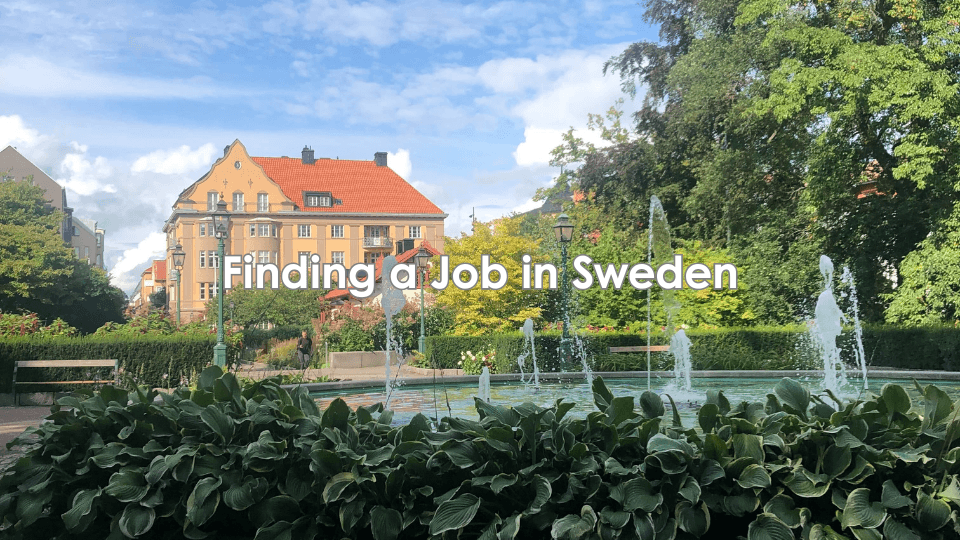
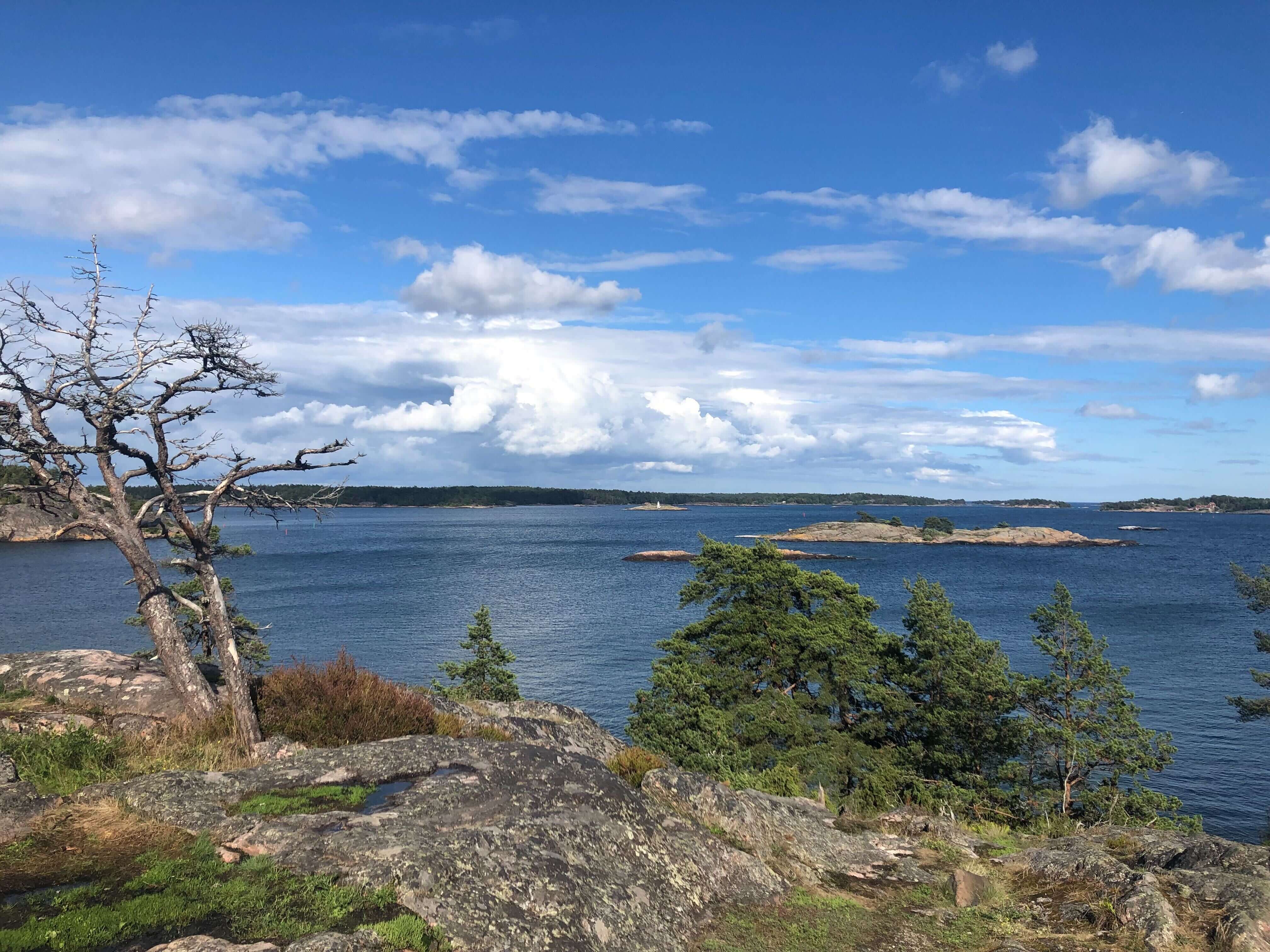
(Linköping, Sweden)

仕事の見つけ方

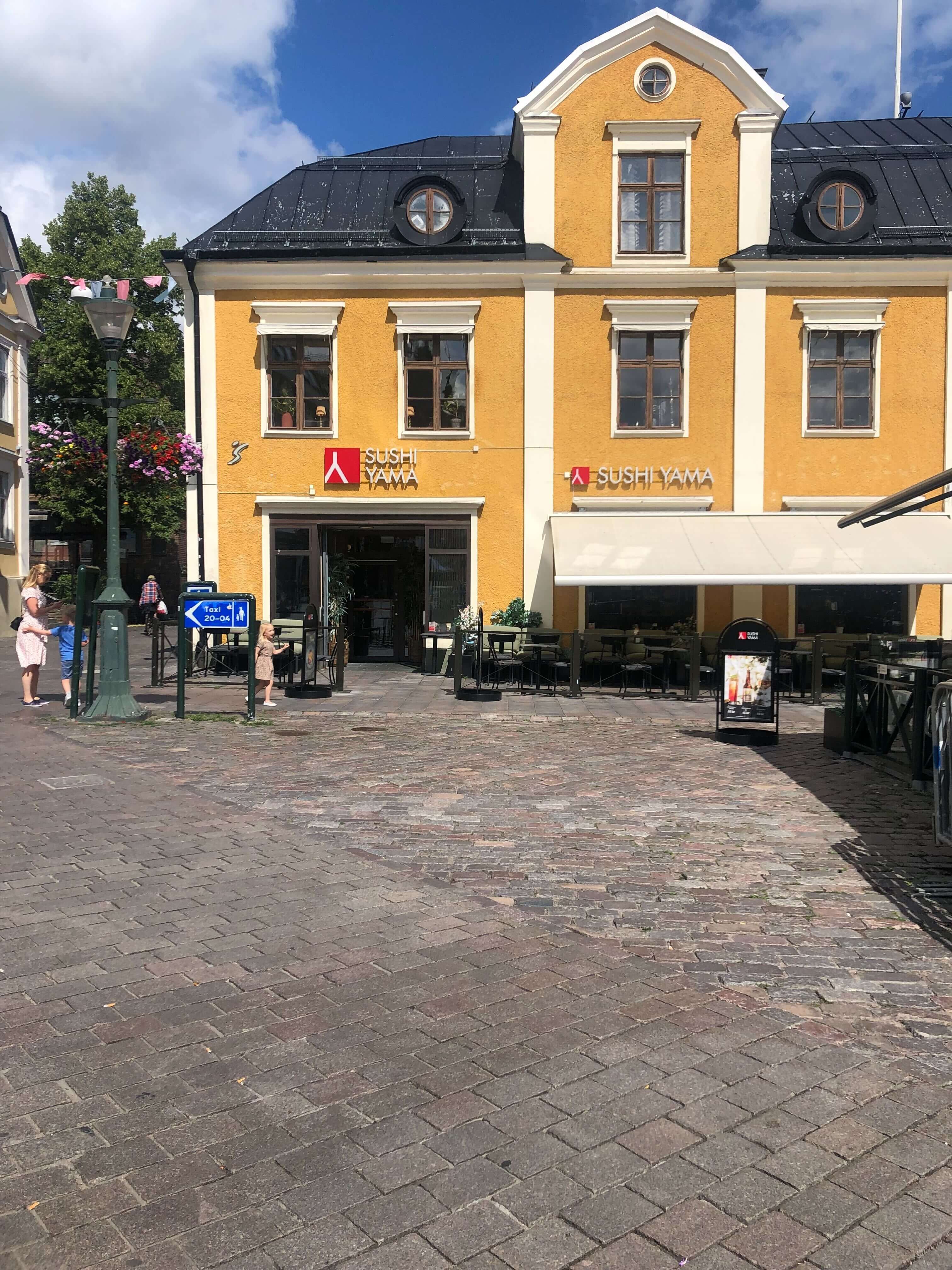
スウェーデンでアルバイトを探す場合、飛び込みで履歴書と志望動機を持って行くのが普通だと言われました。日本では事前の約束も無く急に行くのは迷惑極まりない気もしますが、あちらでは熱意があって良いと思われるそうです。

ものすごく緊張しましたが、何十店も訪問しました。ですが、英語が通じるとはいえ、スウェーデン語が話せなければなかなか相手にしてもらません。そんな中ついに決まったのが、学生団体の代表の子が紹介してくれたレストランでした。店長が日本好きということで、私に興味を持ってくれたようです。

やっとの思いで働き始めましたが、やはりスウェーデン語が話せないことで苦労しました。地元のお客さんに英語を話させてしまうのに申し訳なく感じました。そこで、接客で使えるスウェーデン語と注文番号を言えるように数字だけでもなんとかマスターする努力をしました。しっかりと勉強という勉強をしていた訳ではないのでペラペラと言えるレベルには程遠かったですが、帰国する頃には簡単なスウェーデン語はわかるようになって嬉しかったです。

自然

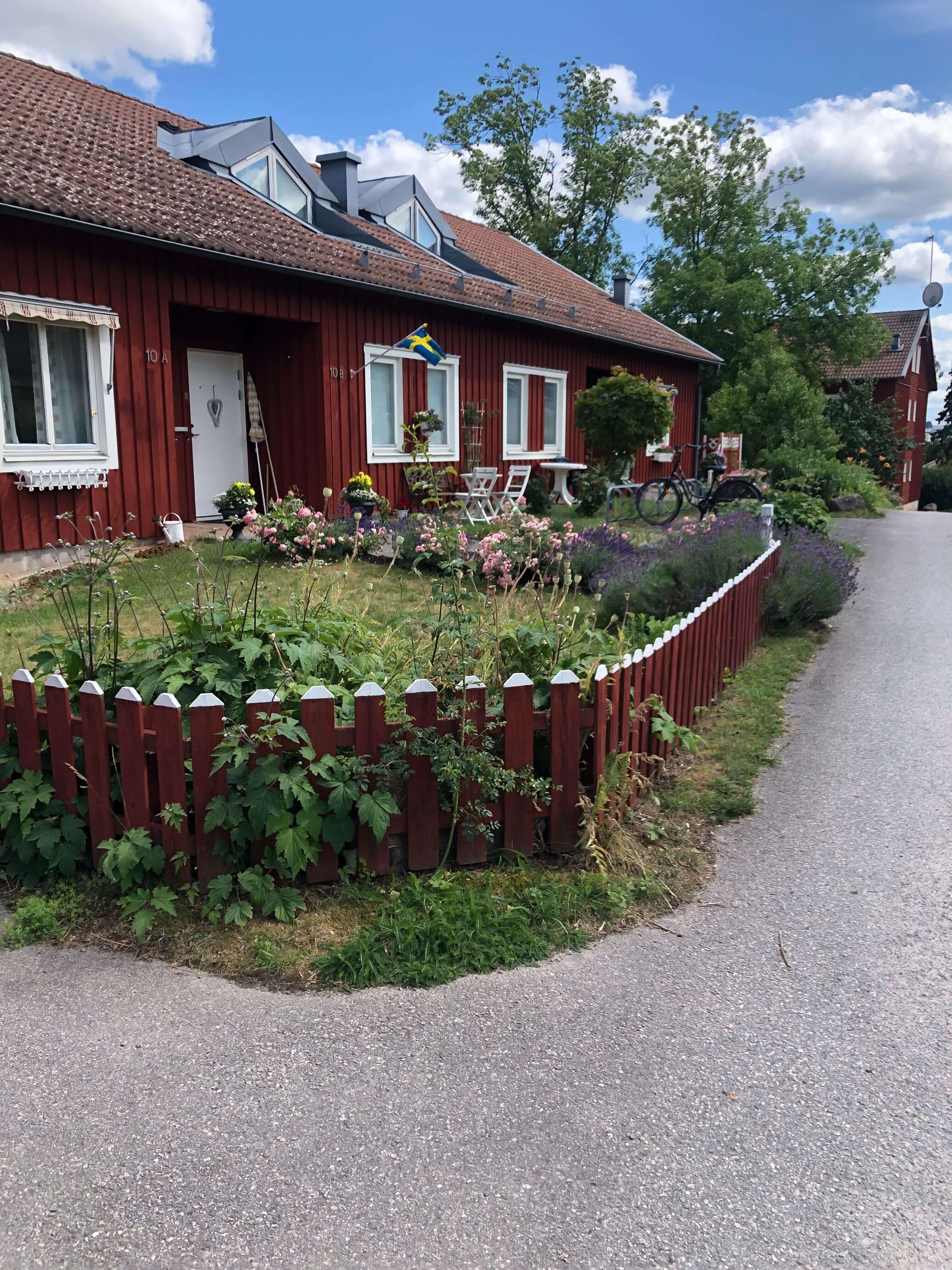
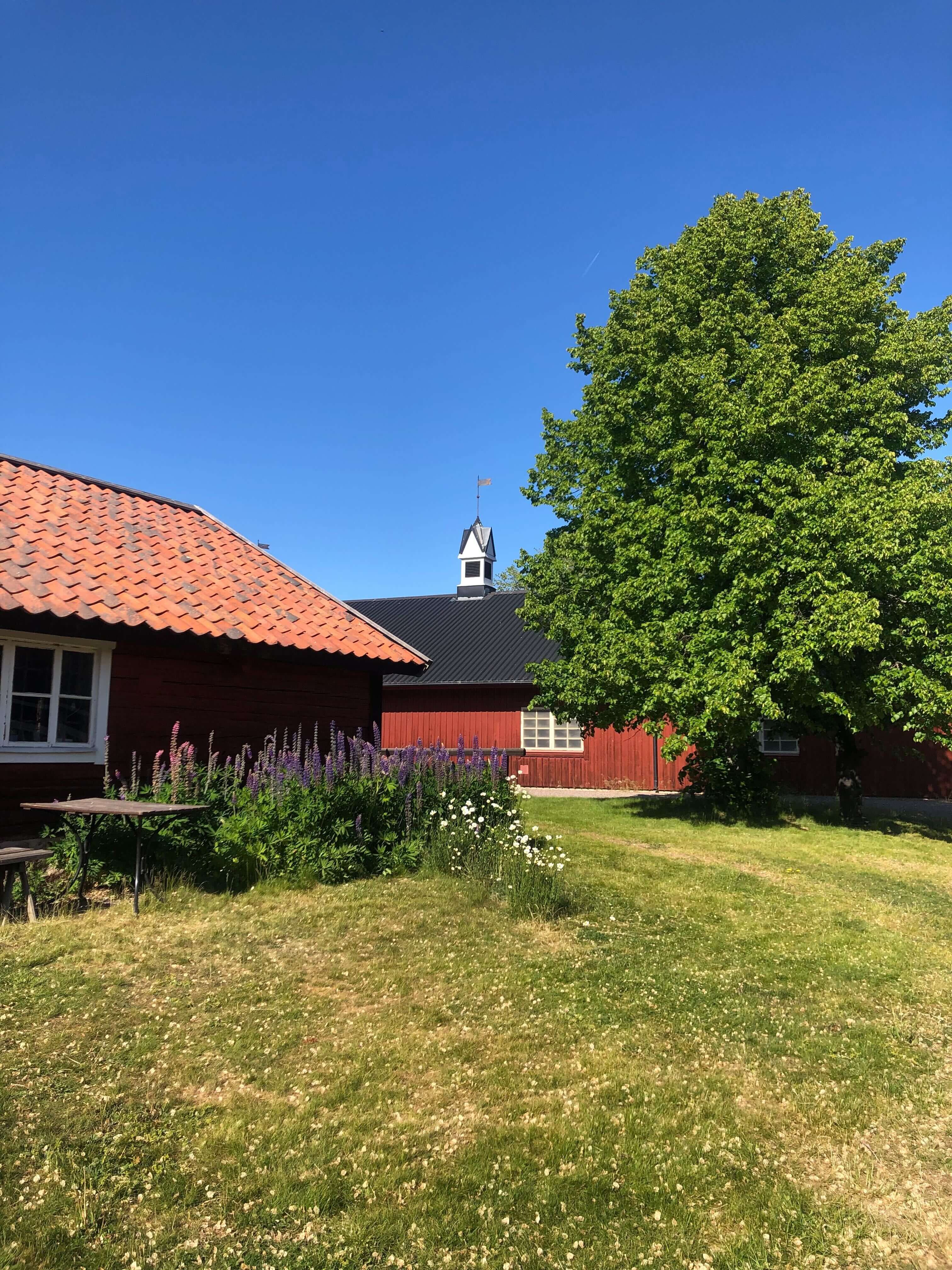
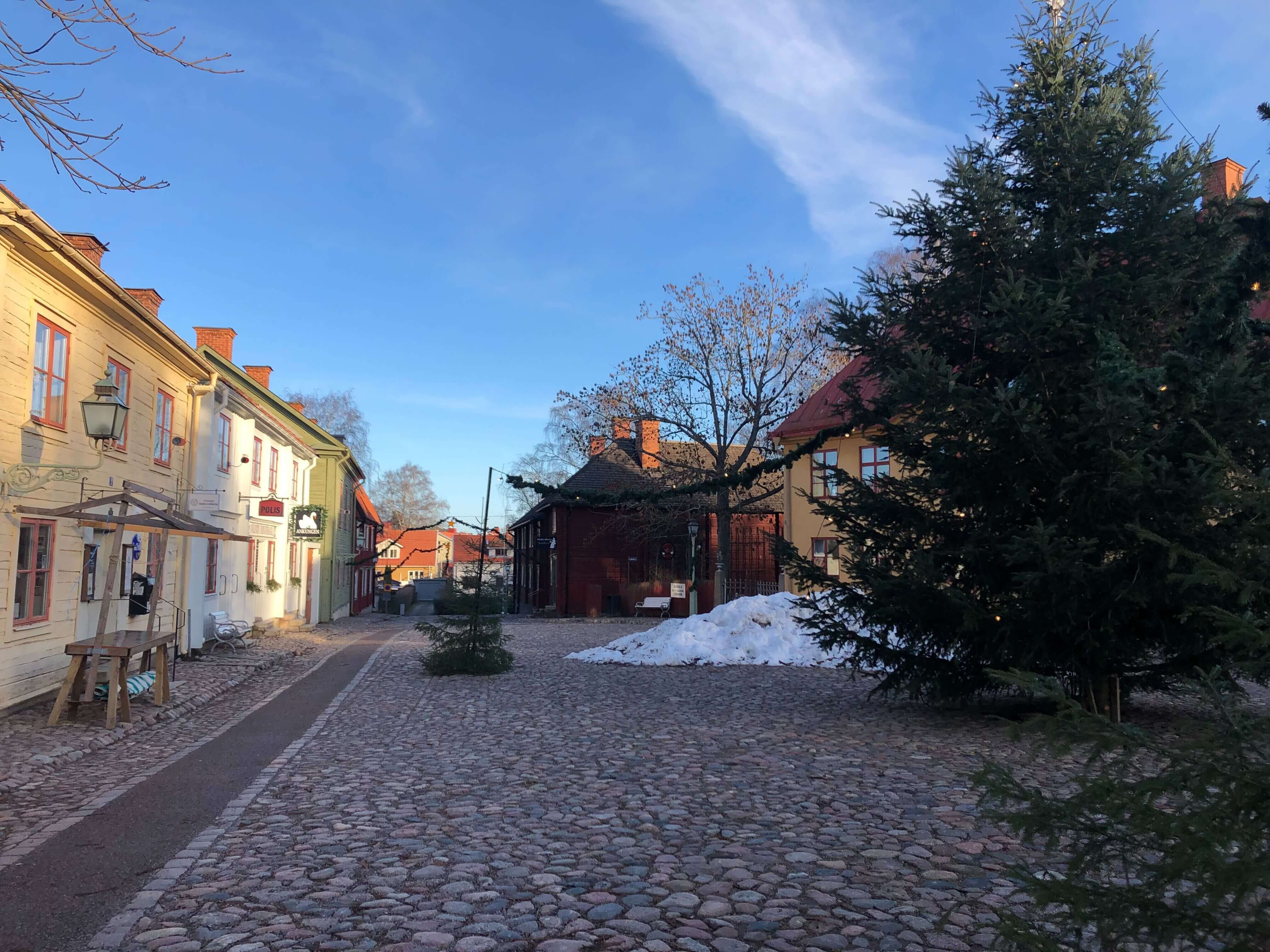
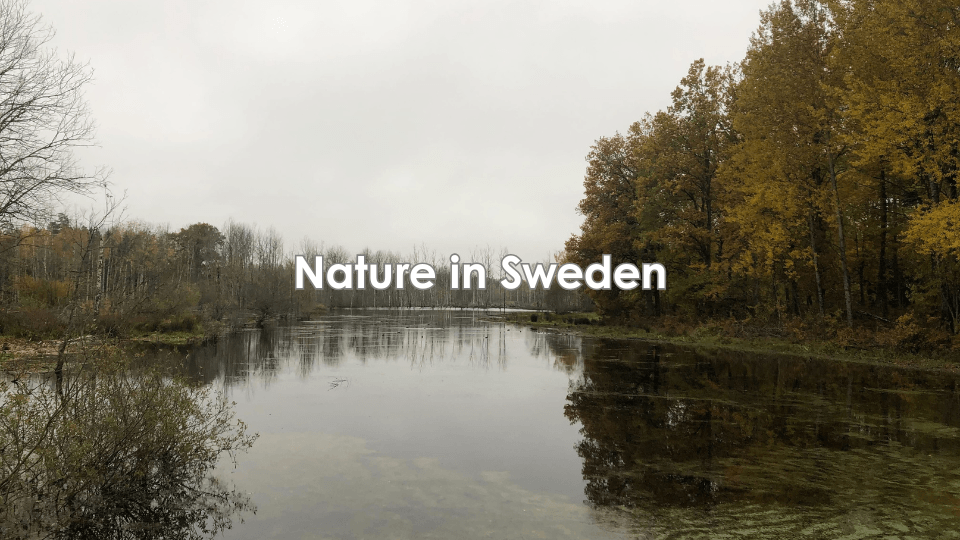
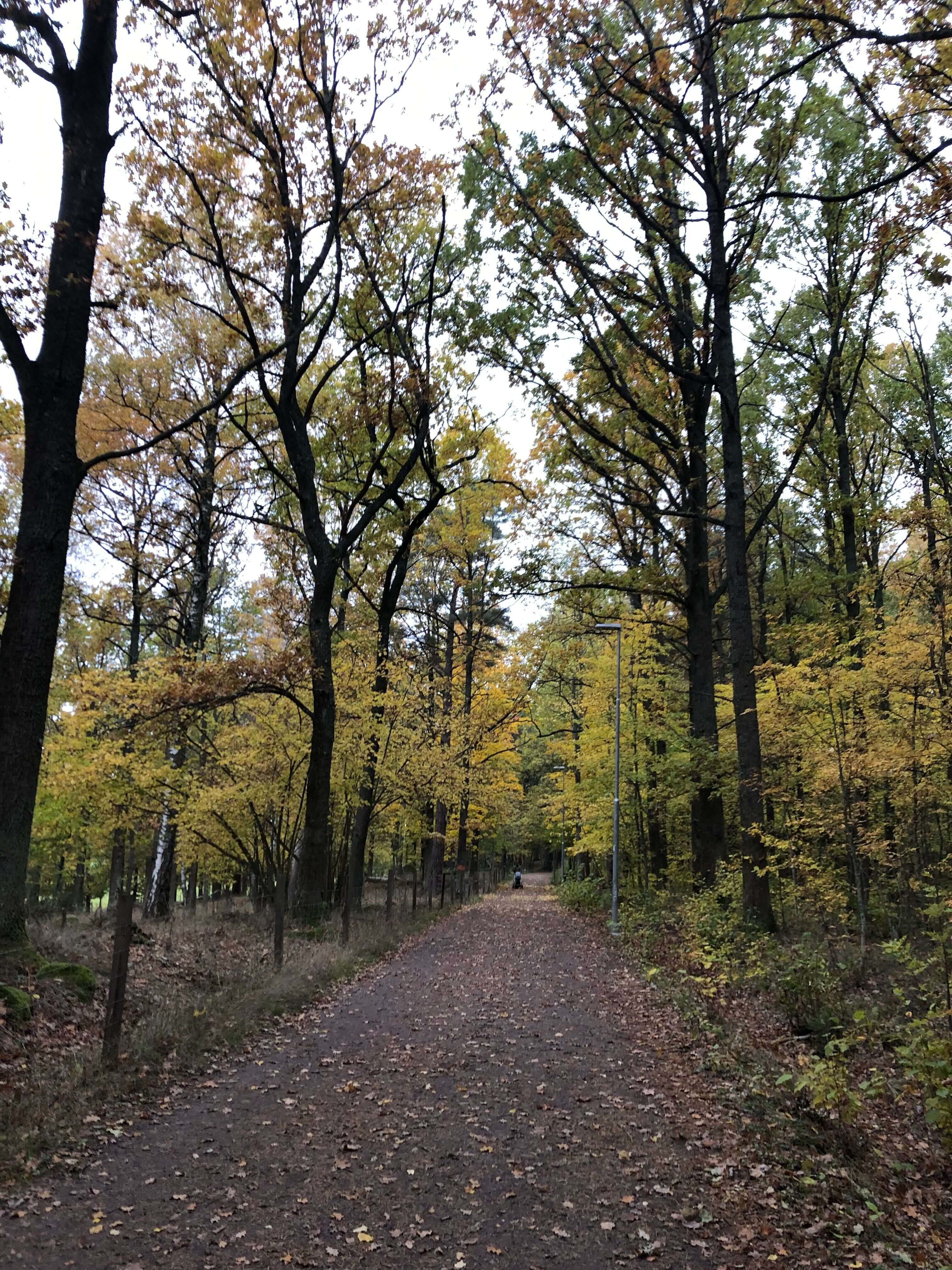
スウェーデンは国土の70%が森林とされるほど、自然が多いです。実際、小さな森があちこちにありました。日々、自然豊かな町を散歩するのはとても気持ちがよかったです。少し町の中心部を離れると、馬や羊がいたりして、牧場もたくさんありました。ただ、気持ちがいいだけれはではありません。一年の大半はとても寒くて暗いです。スウェーデンの中では南の方にいましたが、それでもマイナス十何度になるのは珍しくなく、0度で少しあたたかい気がしました。4月に雪が積もった日がありましたね。寒すぎて撮らなかったのか、雪景色の写真はほどんどありません。

長い、長い冬を耐えててやってくる短い夏は福岡の春のような感じでとても気持ちよく、スウェーデン人がみんな全力で日光を楽しんでいる姿が見受けられました。

まとめ

まだまだ思い出はたくさんありますがこの辺で終わりの時間です。スウェーデンのワーホリに行ってよかったと心より思います。私は本当にかなりの「luck」と人との繋がりで1年間過ごすことができたと思います。ですが、必ずしも上手く行くとは限りません。もしスウェーデンのワーホリで仕事をすることに興味がある方が読んでくださっている場合は、スウェーデン語はある程度勉強してから行くことをおすすめします。知り合いがいた方が安心ですね。

それでは、また。Hej då !


福岡で実践的な英語を学ぶなら、ケンジントン英会話

ケンジントン英会話では、教科書には載っていない、活きた表現を身に付けることができます。
福岡市内の教室やオンラインで、経験豊富でフレンドリーな講師と一緒に英語を学びませんか?
実践的な英語を学びたい方はケンジントン英会話の公式サイトをチェック!



[英語訳]

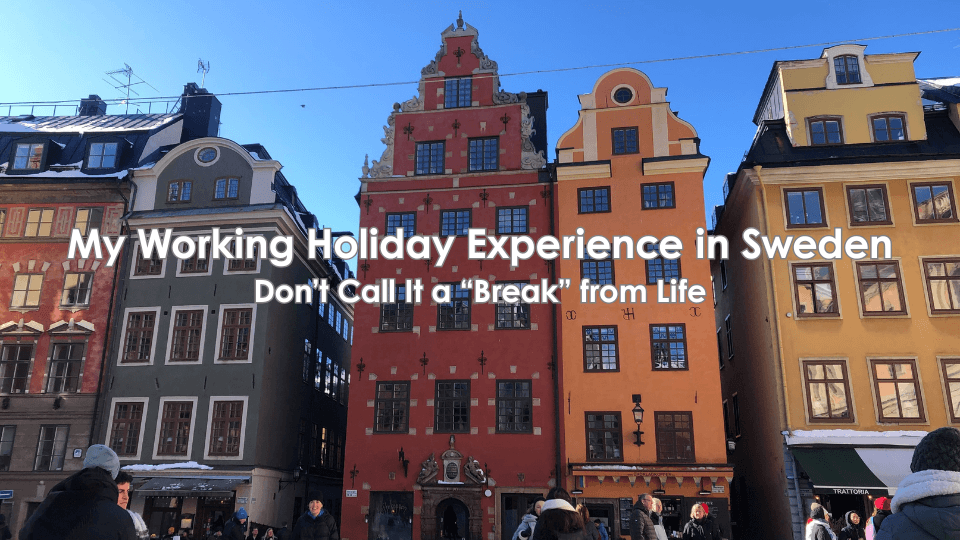
My Working Holiday Experience in Sweden

Don’t Call It a “Break” from Life

Hello everyone, this is Kinue from the staff team.

Today’s blog may especially resonate with people in their 20s and early 30s, but I also hope it reaches anyone—regardless of age—who dreams of traveling abroad or living in another country someday.

I went to Sweden on a working holiday when I was 29 years old, what people in Japan sometimes call a “giri-hori” (a last-minute working holiday before turning 30). To be honest, I hadn’t always dreamed of going on a working holiday. However, around that time, the COVID-19 pandemic completely changed my work environment, and day-to-day life started to feel dull and uninspiring.

Then I discovered that Sweden—one of my favorite countries after visiting it once before—had started offering a working holiday visa program for Japanese citizens. I decided to take the leap and go for it.

I wasn’t too worried about living overseas itself, but I was anxious about what would happen after returning to Japan. By then I would already be 30 years old. Would I still be able to find a job? That uncertainty worried me more than anything else.

At least, that’s how I felt before my working holiday actually began…

Connections with People and the Power to Take Action

Before leaving Japan, I had an online interview and was offered a job as a hotel receptionist in Stockholm, the capital of Sweden. I was also supposed to live in the company dormitory, so everything seemed to be going perfectly.

However, after arriving in Sweden, various problems came up, and I ended up not working there after all. Naturally, that also meant I suddenly had nowhere to live.

I contacted a Swedish friend who lived in a town far away from Stockholm. Luckily, they had a cottage in a town about two hours away from the capital and kindly allowed me to stay there temporarily.

I was extremely grateful, but at the same time, I felt increasingly anxious. I suddenly found myself alone in a small town in a foreign country, wondering what I should do next.

First, I decided to learn more about the town I was staying in. I discovered that it was a university town with many students. Apparently, there was a student organization where people interested in Asian culture gathered every week for cultural exchange events. Even though I wasn’t a student, I decided to contact them—and looking back, I think that was the true beginning of my working holiday experience.

They warmly welcomed me despite being a working adult. They taught me useful things about daily life in Sweden, and eventually I even found housemates to share a home with. I still keep in touch with many of the friends I met there.

Finding a Job in Sweden

I was told that in Sweden, it’s common to visit workplaces directly with your résumé and cover letter when looking for part-time work.

In Japan, showing up without an appointment might seem rude or inconvenient, but in Sweden, people apparently see it as a sign of motivation and enthusiasm.

I was incredibly nervous, but I visited dozens of places. Still, even though many people could speak English, not knowing Swedish made it difficult to be taken seriously.

Eventually, I finally found a job at a restaurant introduced to me by the leader of the student organization. The manager happened to love Japan, so she became interested in hiring me.

Although I was relieved to finally start working, not speaking Swedish continued to be a challenge. I often felt bad making local customers speak English for me.

So, I made an effort to at least learn useful Swedish phrases for customer service and memorize numbers so I could understand order numbers. I wasn’t studying the language intensively, so I never became fluent, but by the time I returned to Japan, I was happy that I could understand simple Swedish conversations.

Nature in Sweden

Sweden is a country rich in nature—about 70% of its land is covered by forests. In reality, there were small forests everywhere.

Taking walks through peaceful, nature-filled towns every day felt wonderful. Just a little outside the town center, you could see horses, sheep, and many farms.

But Sweden’s nature isn’t only beautiful and relaxing. Most of the year is also extremely cold and dark.

Even though I lived in the southern part of Sweden, temperatures dropping to around minus 10 degrees Celsius were not unusual. Sometimes, 0 degrees actually felt warm! I even remember snow piling up in April.

After enduring the long, harsh winter, the short summer finally arrived. It felt similar to springtime in Fukuoka—comfortable, bright, and refreshing. I could see Swedish people enjoying every bit of sunlight with all their hearts.

Final Thoughts

I still have so many more memories to share, but I think it’s time to wrap things up for now.

From the bottom of my heart, I’m truly glad I went on a working holiday in Sweden.

I honestly believe I was able to survive that one year thanks to a lot of luck and the connections I made with people along the way.

Of course, things do not always work out smoothly. So, if anyone reading this is interested in working in Sweden on a working holiday visa, I strongly recommend studying some Swedish before going. Having local connections can also make a huge difference.

Thank you for reading, and see you next time! Hej då !


福岡で実践的な英語を学ぶなら、ケンジントン英会話

ケンジントン英会話では、教科書には載っていない、活きた表現を身に付けることができます。
福岡市内の教室やオンラインで、経験豊富でフレンドリーな講師と一緒に英語を学びませんか?
実践的な英語を学びたい方はケンジントン英会話の公式サイトをチェック!

アクティビティーを通して英語に触れよう!【福岡市英会話】

Jaimie先生

Kensington 課外活動!

昨年から、学校に新しい課外活動のクラブを徐々に導入し始め、今のところ順調にうまくいっております!楽しいだけでなく、生徒と講師がお互いをよりよく知る良い方法になっており、非常に教育的でもあります。

“I got a second wind at the end.”(最後にもう一度力が湧いてきた。)

“Age ain’t nothing but a number.”(年齢なんてただの数字だ。)

“Use it or lose it.”(使わないと衰える。)

上記は今までのKensington Running Club(毎週水曜朝開催中!)の最中の会話で出てきたフレーズの一例です。

クラブの本来の目的は、人々を集めて学校により強い「コミュニティ感」を生み出すことでした。コロナが来てから、そしてAIの台頭で人々がますます家にいるようになってから、当校でもコミュニティ感が少し失われてしまったと感じていたからです。予想外の展開の一つは、教室では出てこない英語を練習する素晴らしい新しい方法にもなったことです。

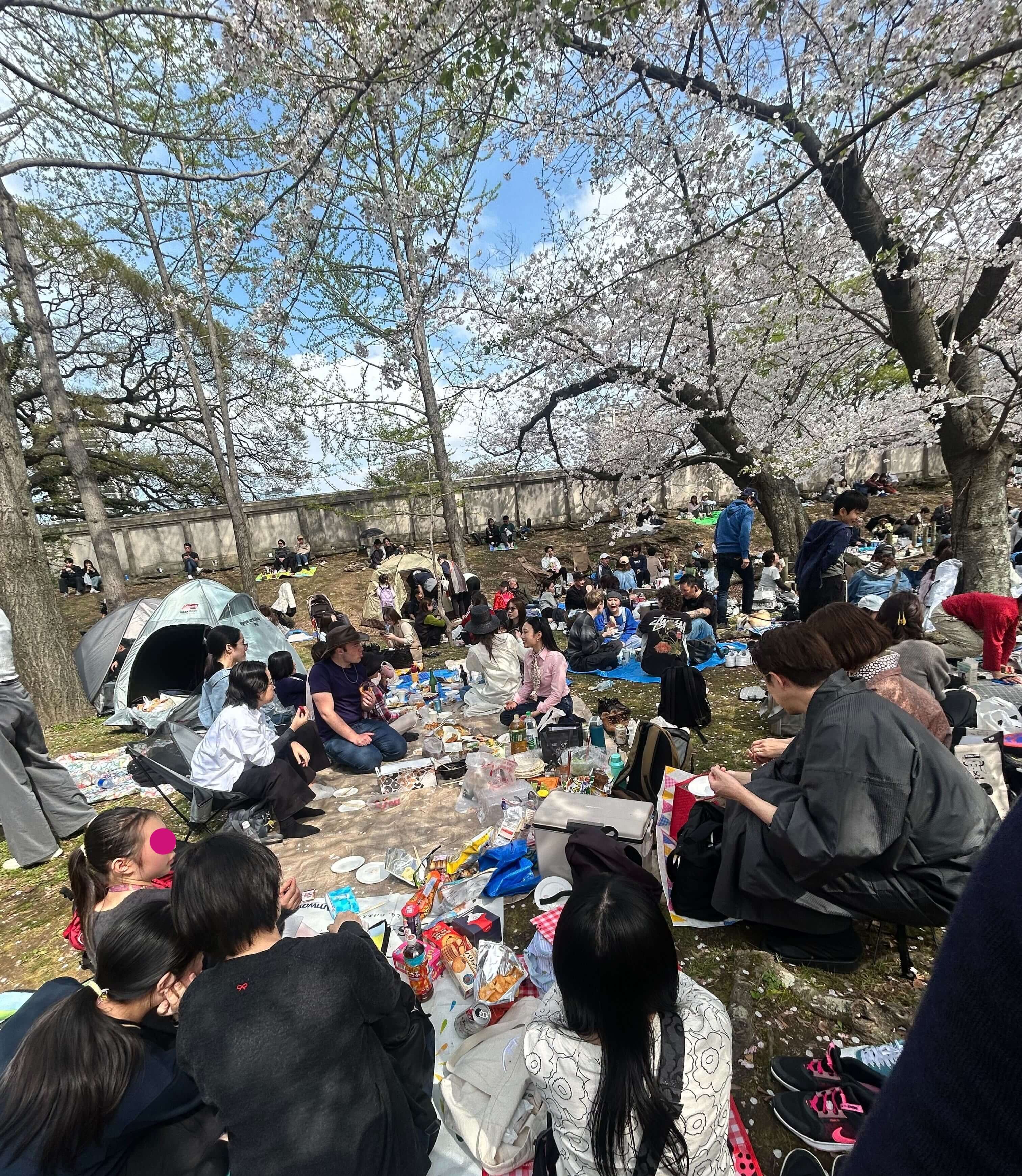
(今年の花見の様子)

西新校の生徒さんの1人が初めての赤ちゃんを産んだばかりで、もちろん会話はほぼ完全に新生児について話すことに変わりました。妊娠、出産、育児に関する日本語のフレーズを思い出すのが如何に簡単かに驚き、これは過去の経験のおかげだと気づきました。

試験に合格するために一生懸命日本語を勉強しましたが、合格後は壁にぶつかり、自分のスキルが向上しているように感じられませんでした。

16年後の今、それは間違いだったことがわかります。時間が経つにつれて、子どもたちが成長し、ここでの生活を続ける中で、様々なことを経験し、ますます多くのことを身につけていたのです。

誤解のないように申し上げますが、当校でご用意しているカリキュラムが身にならないと言っているわけではありません!むしろ全く逆です!

どんどんこのような課外活動やクラブを増やして行きたいと思っています。一つは楽しみたいからですが、それ以上に、様々な環境での課外活動が物事をより簡単に習得するのに役立つと感じているからです。

教室で必要なことを学び、学校のイベントやクラブでそれを拡張しましょう!

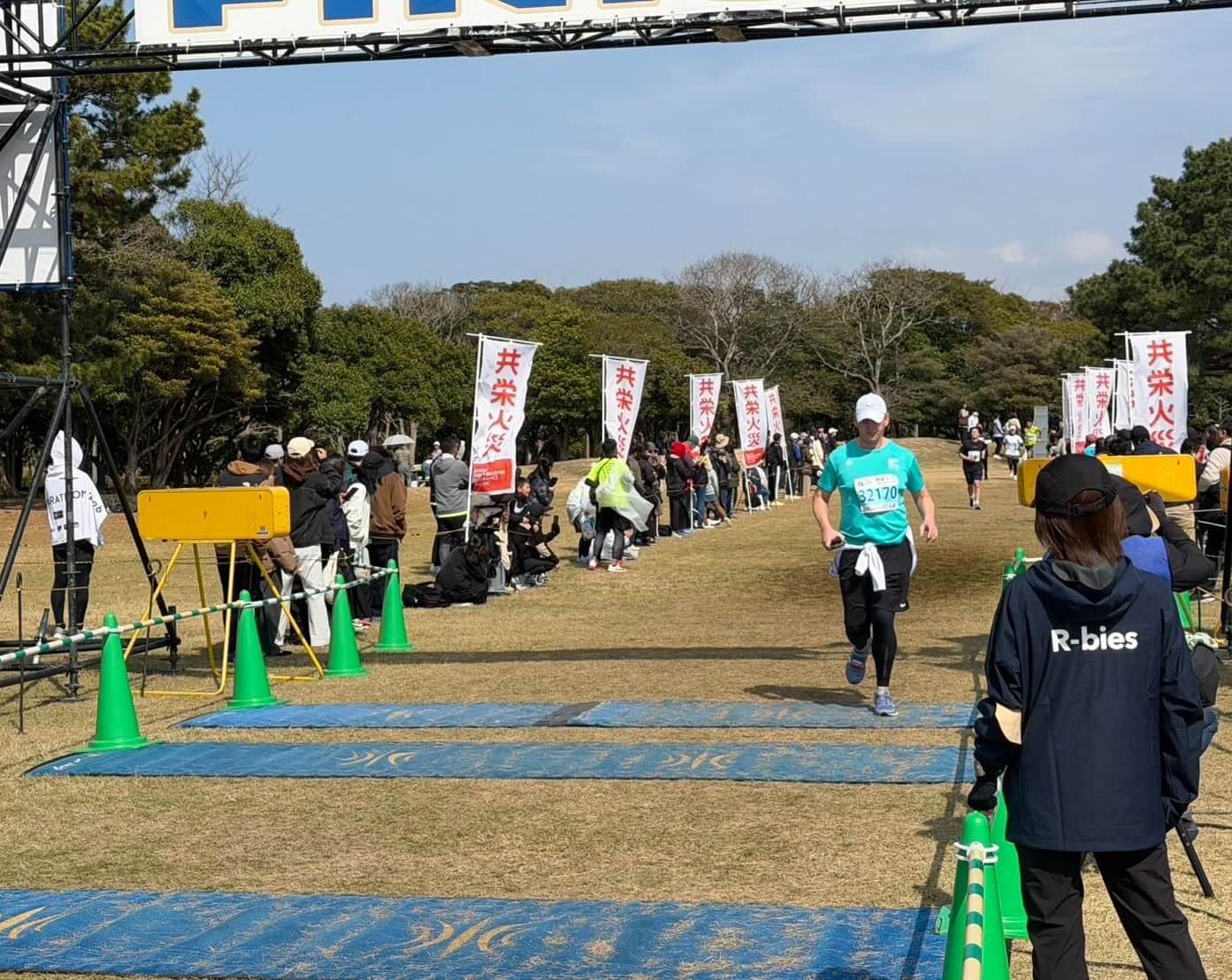
一例として、3月にRunning Clubでハーフマラソンを走ったときが挙げられます。緊張とアドレナリン、さらに新しい場所と刺激は、何かを覚えるのに役立ちます。トレーニングの厳しさ、早朝に起きること、新しいコースに挑戦すること、そして最後に一緒にレースを完走することは、素敵な共有体験であり、境界と抑制を取り除き、会話をより自由に流れさせました。新しい会話は、教室よりも自然に、簡単に出てきます。

(2026年はるかぜマラソン)

Foodies(2ヶ月に1回開催中!)も同じです。一緒に新しい場所に行く共有体験、美味しい料理、仲間との交流、そしてもちろん少しのお酒は、私たちをリラックスさせ、より簡単で自然な英語に繋がります。

全体として、教室だけでなく、よりフォーマルでない、構造化されていない環境で、私たちが一緒に経験を共有し、英語を楽しめば楽しむほど、より多くの進歩を遂げると思います。

(第一回Kensington Foodies)

ですから、講師たちだけでなく、生徒の皆様からも、次にどんなクラブを企画して欲しいかについての新しい提案をいただきたいと思います。アイディアがあればぜひお知らせください!

Kensington FoodiesとKensington Running Clubはまだ進行中で、規模も大きくなっているので、そちらでもお会いできるのを楽しみにしています!

Jaimie

福岡で実践的な英語を学ぶなら、ケンジントン英会話

ケンジントン英会話では、教科書には載っていない、活きた表現を身に付けることができます。
福岡市内の教室やオンラインで、経験豊富でフレンドリーな講師と一緒に英語を学びませんか?
実践的な英語を学びたい方はケンジントン英会話の公式サイトをチェック!



[英語原文]

“I got a second wind at the end.”

“ Age ain’t nothing but a number”

“Use it or lose it” 

These and many more are some of the examples of what has come up in conversation at the Kensington Running Club sessions. From last year we have slowly started implementing new extra curricular activities to the school and so far so good. They’ve been going well and have not only been fun and a good way for students and teachers alike to get to know each other better, they have also been very educational!

The original purpose of the groups was to get people together and create more of a community feel to the school because I felt that we had lost that slightly after Covid came along and then with the uprising of AI making people stay home more and more. One unexpected twist to this was that they also became a great new way to practice English that doesn’t come up in the classroom. 

One of my students from the Nishijin school just had her first baby and of course the conversation has turned almost exclusively to talking about her newborn. I was surprised how easy it was for me to recall Japanese phrases about pregnancy, childbirth, and childcare and it dawned on me that this is because of past experience. I had studied Japanese very hard to pass tests, but after passing them I hit a wall and didn’t feel like my skills were improving. Fast forward 16 years and I see that that was not the case at all. I had been picking up more and more as time went by, experiencing different things as my kids grew up and I continued my life here. 

Don’t get me wrong! I’m not suggesting that our curriculum will do nothing for your English, quite the contrary!

However, I feel that more and more I’d like to introduce new groups and activities to the school, partly because I want to have fun, but more because I feel like group activities in various settings help us remember things more easily. Learn what you need in the classroom and expand on it at school events and in groups! 

Examples of this would be running the half marathon in March with the running club. Nerves and adrenalin plus new places and stimuli help us retain information better. The toughness of the training, getting up early in the morning and trying new courses and finally completing the race together were nice shared experiences and they brought down boundaries and inhibitions and let conversation flow more freely. New conversations come up more naturally and easily than they do in the classroom. Same goes for the foodies. It’s a shared experience of going to a new place together, good food, companionship, and of course a little tipple, make us relaxed and lead to easier and more natural English.

All in all, I think the more we share our experiences together and enjoy English not only in the classroom but in less formal and structured settings, the more progress we will make so I’d love to have new suggestions, not only from teachers, but also from students about what kind of activities you’d like to have us organise next so please don’t be shy to tell us directly or let us know if you have any ideas of your own. Kensington Foodies and Running Club are still ongoing and getting larger so we’d love to see you there too!

Jaimie

福岡で実践的な英語を学ぶなら、ケンジントン英会話

ケンジントン英会話では、教科書には載っていない、活きた表現を身に付けることができます。
福岡市内の教室やオンラインで、経験豊富でフレンドリーな講師と一緒に英語を学びませんか?
実践的な英語を学びたい方はケンジントン英会話の公式サイトをチェック!

日本のゴールデンウィーク【福岡市英会話】

Henry先生

みなさん、こんにちは!今日はいかがお過ごしですか?ゴールデンウィークは楽しく過ごせましたか?今回のブログでは、日本の大型連休「ゴールデンウィーク」についてお話ししたいと思います。ゴールデンウィークは、日本でも特に楽しみな休暇シーズンのひとつです。旅行に出かけたり、家族や友人と過ごしたり、イベントに参加したりと、多くの人が思い思いの時間を楽しみます。また、ゴールデンウィークは、日本文化について英語で説明する練習にもぴったりのテーマです。海外の友達と話すときにも、日本ならではの文化を自然に紹介できる良い機会になります。それでは、ゴールデンウィークについて英語で自然に、そして自信を持って話すコツを一緒に見ていきましょう!

ゴールデンウィークとは?

ゴールデンウィークは、4月末から5月初めにかけて続く日本の大型連休です。1年の中でも特に長い休暇期間のひとつとして知られています。多くの人は有給休暇を合わせて取り、1週間以上の長い休みを楽しみます。この時期には、旅行に出かけたり、家でゆっくり過ごしたり、家族や友人と楽しい時間を過ごしたりする人がたくさんいます。

ゴールデンウィークは、4月末から5月初めにかけて続く祝日が集まった期間のことを指します。

Golden Week is a big holiday in Japan from late April to early May. It is one of the longest holiday periods of the year. Many people take extra days off, so they can enjoy a full week (or longer) vacation. During this time, people travel, relax, and spend time with family.

Golden week is a string of holidays (public holidays that happen from late April to early May. 

主な祝日には、次のようなものがあります。They include:

Showa Day (April 29)
A day to remember Emperor Showa and Japan’s history.
People may visit shrines or museums, or just enjoy a day off.

昭和の日(4月29日)

昭和天皇や日本の歴史を振り返る日です。
神社や博物館を訪れる人もいれば、休日としてゆっくり過ごす人もいます。

Constitution Memorial Day (May 3)
Celebrates Japan’s constitution (made in 1947).
It is a day to think about democracy and government.

憲法記念日(5月3日)

1947年に制定された日本国憲法を記念する日です。
民主主義や政治について考える機会ともされています。

Greenery Day (May 4)
A day to enjoy nature.
People often go outside, hiking or relaxing in parks.

 みどりの日(5月4日)

自然に親しみ、その大切さを感じる日です。
公園でのんびり過ごしたり、ハイキングに出かけたりする人も多くいます。

Children’s Day (May 5)
A day to celebrate children’s happiness and health.
Families display colorful carp flags (koinobori), which symbolize strength and success.

こどもの日(5月5日)

子どもたちの幸せと健やかな成長を願う日です。
この日には、強さや成功を象徴する「こいのぼり」を飾る家庭が多く見られます。

ゴールデンウィークには何をするの?

ゴールデンウィーク中は、多くの人が日本国内を旅行したり、海外へ出かけたりします。そのため、観光地や新幹線、空港などはとても混雑します。また、家族で一緒に過ごす時間を大切にする人も多く、帰省したり、食事やレジャーを楽しんだりする姿が見られます。ゴールデンウィークは、日本でも特に忙しい旅行シーズンのひとつとして知られています。

海外の友達にゴールデンウィークについて説明するときは、次のようにシンプルに伝えることができます。

Golden Week is a long holiday in Japan with four national holidays in late and early May. Many people take a vacation, travel, and spend time with family. It is one of the busiest times of the year. 

「ゴールデンウィークは、4月末から5月初めにかけて祝日が続く日本の大型連休です。多くの人が休暇を取り、旅行をしたり、家族と過ごしたりします。日本でも特に混雑する時期のひとつです。」

このように説明すると、日本ならではの文化として分かりやすく伝えることができます。

私はゴールデンウィークをどう過ごす?

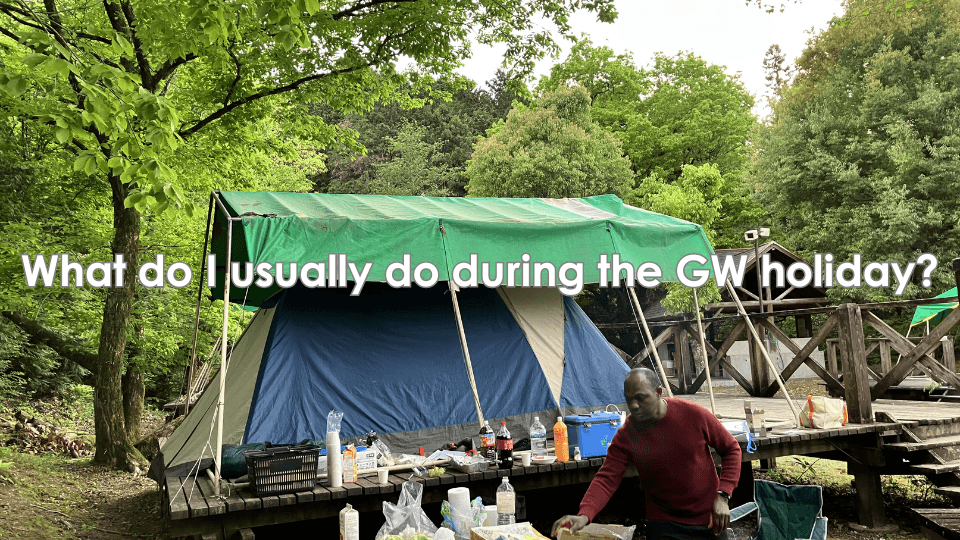
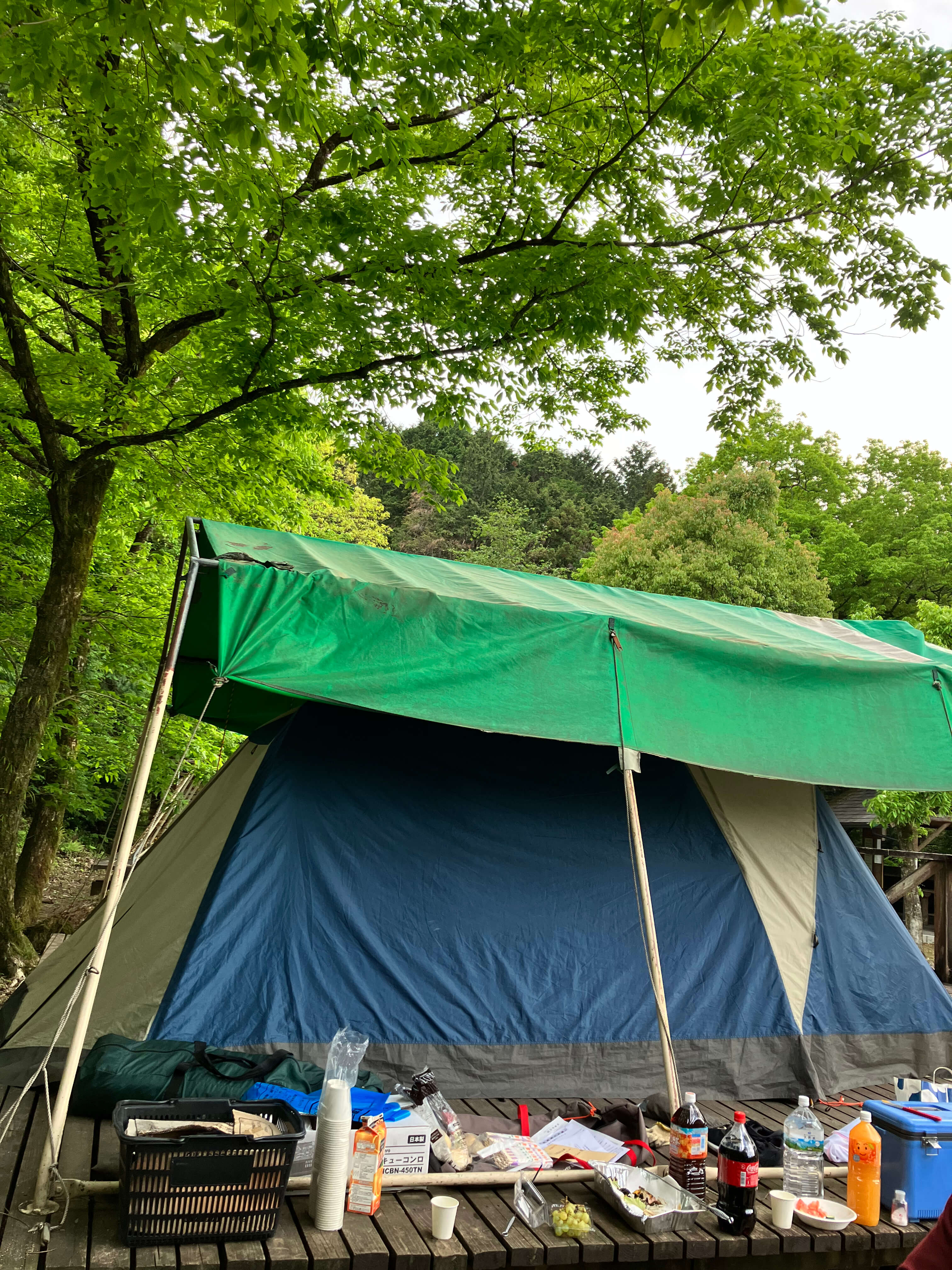
私がゴールデンウィーク中にあまりしないことのひとつは、旅行です。というのも、先ほども紹介したように、人気の観光地や空港、新幹線などは連休中とても混雑するからです。その代わりに、友人と近くのキャンプ場へキャンプに行くことがあります。キャンプサイトは人気なので、いつも2か月ほど前から予約をしています。また、庭仕事をしたり、家族とバーベキューを楽しんだり、ゆっくり読書をしたりする時間も大好きです。

ゴールデンウィークは、日本ならではの特別な休暇であるだけでなく、英会話のテーマとしてもとてもおすすめです。ゴールデンウィークについて説明したり、自分の予定を話したり、おすすめの過ごし方を紹介したりする練習をすることで、英語を話す自信にもつながります。次に海外の友達と話す機会があれば、ぜひゴールデンウィークの話題を出してみてくださいね!

福岡で実践的な英語を学ぶなら、ケンジントン英会話

ケンジントン英会話では、教科書には載っていない、活きた表現を身に付けることができます。
福岡市内の教室やオンラインで、経験豊富でフレンドリーな講師と一緒に英語を学びませんか?
実践的な英語を学びたい方はケンジントン英会話の公式サイトをチェック!



[英語原文]

Golden Week in Japan

Hello everyone! How are you doing today? I hope you had a great Golden week holiday. Indeed, Golden Week is what I’d like to talk about in this blog. The Golden week holiday is one of Japan’s most exciting holiday seasons—. It’s a great topic to practice explaining Japanese culture in English, especially when chatting with friends from abroad. Let’s look at how you can talk about Golden Week naturally and confidently!

What is Golden Week?

Golden Week is a big holiday in Japan from late April to early May. It is one of the longest holiday periods of the year. Many people take extra days off, so they can enjoy a full week (or longer) vacation. During this time, people travel, relax, and spend time with family.

Golden week is a string of holidays (public holidays that happen from late April to early May. They include:

  1. Showa Day (April 29)
    A day to remember Emperor Showa and Japan’s history.
    People may visit shrines or museums, or just enjoy a day off.
  2. Constitution Memorial Day (May 3)
    Celebrates Japan’s constitution (made in 1947).
    It is a day to think about democracy and government.
  3. Greenery Day (May 4)
    A day to enjoy nature.
    People often go outside, hiking or relaxing in parks.
  4. Children’s Day (May 5)
    A day to celebrate children’s happiness and health.
    Families display colorful carp flags (koinobori), which symbolize strength and success.

What happens during Golden Week?

Many people travel around Japan or go abroad

Tourist spots, trains, and airports become very crowded

Families spend time together.

It is one of the busiest travel seasons in Japan

When explaining to foreign friends what GW holiday in Japan is, you can simply say;

Golden Week is a long holiday in Japan with four national holidays in late and early May. Many people take a vacation, travel, and spend time with family. It is one of the busiest times of the year.

What do I usually do during the GW holiday?

One thing I normally don’t do is travel. I avoid traveling because as mentioned above, most fun places to visit as well as airports, trains are massively crowded during the holiday. I sometimes go camping with a friend at a local campsite and we usually book a spot about two months in advance. I also love to work in the garden or have a barbeque with my family and catch up on my reading. 

Golden Week is not only a special time in Japan but also a great topic for English conversation. By practicing how to explain it, talk about your plans, and give recommendations, you can build your confidence in speaking English. Next time you meet a foreign friend, try bringing up Golden Week.

福岡で実践的な英語を学ぶなら、ケンジントン英会話

ケンジントン英会話では、教科書には載っていない、活きた表現を身に付けることができます。
福岡市内の教室やオンラインで、経験豊富でフレンドリーな講師と一緒に英語を学びませんか?
実践的な英語を学びたい方はケンジントン英会話の公式サイトをチェック!