以下の日程でオンライングループレッスンを臨時開講いたします。
・1月16日(金)19:30~
ご予約お待ちしております。








以下の日程でオンライングループレッスンを臨時開講いたします。
・1月16日(金)19:30~
ご予約お待ちしております。
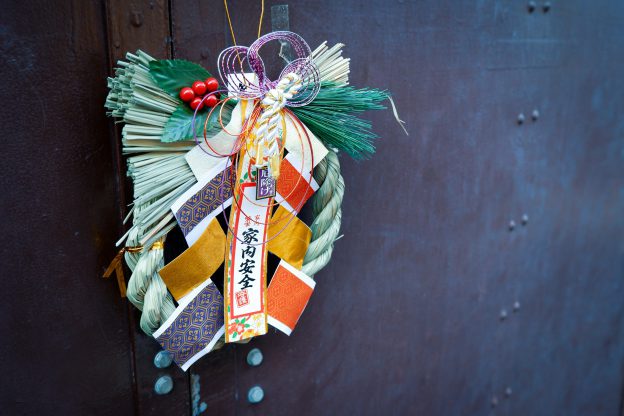
1月のスケジュールについてのお知らせです。
◆12月29日(月)~1月4日(日)
◆1月12日(月)
は休校です。
休校期間中にいただいたご予約・お問い合わせは翌営業日に順次ご返信いたします。
この度、Henry先生が作成した新トピック「World Peace and Cooperation」がレッスンカリキュラムに加わりました!
対象レベル:中級・上級
世界平和のために何ができるのか、英語で一緒に考えましょう!
皆さんのご参加をお待ちしております。

【Finn 講師】
こんにちは、またお会いしましたね!
もしあなたが今、ソファに寝転びながら近くにお菓子を置いてこれを読んでいるのなら、すでにリラックス上手と言えるでしょう。
リラックスすることは簡単そうに聞こえますが、実際の生活では意外と難しいものです。仕事や勉強で忙しくしたり、心配ごとが増えたりして、ゆっくりすることを忘れてしまいがちです。でも、リラックスする時間を作ることは決して怠けているわけではありません。それは私たちの健康や気分、そして幸せ全体にとってとても大切なことなのです。
このブログでは、私がリラックスするために役立っていること、逆にストレスを感じること、そして日常生活の中で誰でも取り入れられるシンプルなリラックス法をご紹介します。

自分では「リラックスしているタイプ」だと思っていますが、特に月曜の朝になると、そうでもないかもと思いがちです。
リラックスしたいとき、私はシンプルに過ごします。住んでいる場所の近くにあるビーチを静かに散歩するのが好きです。波の音や涼しい風は、頭をすっきりさせてくれます。落ち着いた音楽を聴くのも、気持ちをオフにするのに役立ちます。
子どもたちと遊んだり、友だちと笑ったり、家族と話したりする時間も、いつも私に安らぎをくれます。たまに、ちょっとした会話でも、決まった相手なら、ストレスが一瞬で溶けていくことがあります。

どんなに落ち着いて見える人でも、ストレスは感じるものです。私の場合、同時にたくさんの仕事を抱えているときや、予定が急に変わったときにストレスを感じます。何でも完璧にこなそうとすると、そのこと自体がプレッシャーになることもあります。
そんな気持ちになったときは、あえてゆっくりします。短い休憩を取ったり、リラックスできる音楽を聴いたり、水を飲んだりします。そして、「ストレスを感じるのは普通のこと」「全部を一度に解決しなくていい」ということを思い出すようにしています。

次のような簡単なアイデアを試してみてはどうですか:
リラックスするのにお金をかける必要はありません。面白い動画を見たり、温かい飲み物を飲んだりするだけでも、心をリセットすることができます。
リラックスすることは、自分自身を大切にするうえでとても重要です。毎日ほんの数分でも静かな時間を持つことで、ストレスが減り、より多くの幸せを得られます。
自然、音楽、静かに過ごす時間、深呼吸、友人との会話など──自分に合った方法を見つけてみてください。
立ち止まって、自分をいたわり、平和なひとときを楽しむことを忘れないでください。そんな時間を過ごす価値があります。
ケンジントン英会話では、教科書には載っていない、活きた表現を身に付けることができます。
福岡市内の教室やオンラインで、経験豊富でフレンドリーな講師と一緒に英語を学びませんか?
実践的な英語を学びたい方はケンジントン英会話の公式サイトをチェック!
Hello Again!
If you are reading this while lying on your couch with snacks nearby, you are already winning at relaxation.
Relaxing sounds simple, but in real life it can be surprisingly difficult. We work, we study, we worry, and sometimes we forget to slow down. Taking time to relax is not being lazy. It is important for our health, mood, and overall happiness.
In this blog, I will share what helps me relax, what stresses me, and simple ways we can all enjoy more calm in our daily lives.
I like to think I am a relaxed person, but life often tests that idea, especially on Monday mornings.
When I want to relax, I choose simple activities. I enjoy quiet walks, especially by the beach where I live. The sound of the waves and the cool breeze help me clear my mind. Listening to calming music also helps me switch off.
Playing with my kids, laughing with friends, and talking with my family always brings me peace too. Sometimes a short conversation with the right person can melt away stress immediately.
Everyone gets stressed, even people who seem calm. I feel stressed when I have too many tasks at once or when plans suddenly change. Trying to do everything perfectly can create pressure too.
When I feel this way, I slow down. I take short breaks, listen to relaxing music, or drink water. I remind myself that stress is normal and that I do not need to solve everything at once.
Here are some easy ideas you can try:
Relaxation does not need to be expensive. Even a funny video or a warm drink can help you reset your mind.
Relaxing is an important part of taking care of yourself. Even a few minutes of calm each day can reduce stress and bring more happiness.
Find what works for you – nature, music, quiet time, deep breathing, or a good talk with a friend.
Remember to slow down, take care of yourself, and enjoy moments of peace. You deserve it.
ケンジントン英会話では、教科書には載っていない、活きた表現を身に付けることができます。
福岡市内の教室やオンラインで、経験豊富でフレンドリーな講師と一緒に英語を学びませんか?
実践的な英語を学びたい方はケンジントン英会話の公式サイトをチェック!
 【Robin 講師】
私たち一人ひとりは、自分を形づくる物語や思い出をたくさん抱えています。これらが「経験」です。良いものもあれば、悪いものもあり、絶対に忘れられないものもあれば、簡単に忘れてしまえるものもあります。どんな瞬間であっても、経験は必ず私たちに何かを教えてくれます。なぜなら、私たちはその一つひとつから学び、そうして自分が形づくられていくからです。
英語ではよく “it was a learning experience(学びのある経験だった)” と表現しますが、この言い回しは、私たちが語りたくなるほとんどすべての物語に当てはまります。

仕事には、ずっと覚えていたい瞬間もあれば、できれば忘れたい瞬間もあります。ワクワクしてやりがいを感じる日もあれば、戸惑ったり疲れたりする日もあります。そんな中で今も心に残っているのは、初めて大きなプロジェクトを任されたときのことです。それは私の初めての仕事のひとつで、「失敗するかもしれない」と思っていましたが、そのプレッシャーが成長する力になりました。ここで使える便利な表現が “I learned a lot from that experience(その経験から多くを学びました)” です。また、“it helped me become more confident at work(仕事で自信を持てるようになりました)” と言うこともできます。
もう一つ自然な表現には “it taught me how to deal with stressful situations(ストレスの多い状況への対処法を教えてくれました)” があります。これは、大変だったけれど結果的に自分を強くしてくれた出来事を説明するときにぴったりです。

旅の思い出が心に残るのは、いつもたくさんの驚きに満ちているからです。子どもの頃に経験した、忘れられない出来事があります。小学生のときにメキシコを訪れた際のことです。私たちは海辺の、ほとんど窓がない開放的な部屋に泊まりました。そのため、自然がとても近くに感じられました。夜になると、そこでは「テホン」と呼ばれている、アライグマのような動物(ハナグマ)が現れるかもしれないと聞かされました。最終日の夜までは一度も見かけませんでしたが、突然その群れが私たちの宿泊している場所に入ってきました。なんとそのうちの一匹が祖母のウエストポーチを盗んで、暗闇の中へ走り去ってしまったのです。幸い、ホテルのスタッフの方が近くの森を探して見つけてくれました。
私にとっては、それまでテホンを見たことがなく、どんな動物なのかさえよく分かっていなかったので、とてもワクワクする出来事でした。でも祖母にとっては、きっとかなり恐ろしい体験だったと思います。それでも、この出来事は「持ち物にはいつも気をつける」ということを教えてくれた学びの経験になりました。このような話に使える自然な表現としては、“I did not expect that at all(まったく予想していなかった)” や “it was scary, but also exciting(怖かったけれどワクワクもした)” などがあります。

自然災害について話すのは重く感じることもありますが、シンプルな表現を使うことで、体験をわかりやすく伝えることができます。私が中学生のとき、東京で東日本大震災(3/11の地震)を経験しました。東京でも揺れは強く、長く続きました。すべての電車やバスが止まってしまい、私たちは夜8時ごろまで学校に待機しなければなりませんでした。最終的に、私を含めた10人ほどが、友達の親が車で迎えに来てくれたり、歩いて帰れる距離だったりという理由で、その友達の家に集まることになりました。帰れない生徒は、どこかに泊まれる場所を見つけなければなりませんでした。あれほど恐ろしい経験のあとでしたが、みんなで一緒に過ごしたことで、その夜は不思議と楽しい思い出にもなりました。
こうした状況を説明するときに使える便利な表現としては、 “I was living in Tokyo at the time and I experienced a very strong earthquake.”(当時東京に住んでいて、とても強い地震を経験しました) があります。地震や洪水、津波などについても “experience” を使うことができると覚えておきましょう。授業でよく出てくる表現には、 “I experienced culture shock.”(カルチャーショックを経験した) というフレーズもあります。
経験が心に残るのは、私たちに何かを教えてくれるからです。成長を促してくれた仕事での挑戦、今でも語りたくなるような驚きの旅の思い出、あるいは落ち着いて助け合うことの大切さを思い出させてくれた自然災害――どんな経験も私たちを形づくります。英語では “it was a learning experience(学びのある経験だった)” や “I learned a lot from that moment(その瞬間から多くを学んだ)” といった表現を使ってみましょう。自分の経験を共有することで、周りの人とつながり、相手もまた自分の経験を話してくれるきっかけになります。
ケンジントン英会話では、教科書には載っていない、活きた表現を身に付けることができます。
福岡市内の教室やオンラインで、経験豊富でフレンドリーな講師と一緒に英語を学びませんか?
実践的な英語を学びたい方はケンジントン英会話の公式サイトをチェック!
Every one of us carries a collection of stories and memories that shape who we are. These are our experiences. Some are good, some are bad, some we can never forget, and some are easier to forget. No matter what kind of moment it was, experiences always teach us something. They shape us because we learn from every single one of them. In English we often say “it was a learning experience,” and that phrase fits almost every story we choose to share.
Work always gives us moments we remember forever, or moments we’d rather forget. Some days feel exciting and rewarding while others can feel confusing or tiring. One experience that stayed with me was the first time I was trusted with a big project at one of my first jobs ever. I remember thinking I might fail, but that pressure pushed me to grow. A useful expression here is “I learned a lot from that experience.” You can also say “it helped me become more confident at work.”
Another natural phrase is “it taught me how to deal with stressful situations.” This works well when describing something challenging that ended up making you stronger.
Travel stories stay with us because they are full of surprises. One unforgettable memory from my childhood happened when I was an elementary school student visiting Mexico. We stayed in a beachside open-air room that didn’t really have windows, which made everything feel close to nature. At night we were told that tejons, which is the word used there for coatis, a raccoon-like animal, might appear. We never saw them until the very last night, when suddenly a group of them came into the place we were staying. One of them even stole my grandma’s fanny pack and ran off with it into the darkness. Luckily someone from the hotel searched the nearby forest and found it.
For me, it was exciting because I had never seen a tejon and wasn’t really sure what they even were. For my grandma, I am sure it was pretty terrifying. Still, it became one of those learning experiences that taught me to always keep an eye on my things. Some natural expressions that fit this kind of story are “I did not expect that at all,” or “it was scary, but also exciting.”
Talking about natural disasters can feel heavy, but simple phrases can help you describe your story clearly. When I was a junior high school student in Tokyo, I experienced the 3/11 earthquake. Even in Tokyo the shaking was strong and lasted a long time. All trains and buses stopped, so we had to stay at school until around eight in the evening. In the end, about ten of us went to a friend’s apartment because their parents were able to pick us up by car or we lived close enough to walk. All student’s had to find a place to stay if they couldn’t make it home. After such a frightening experience it actually turned into a strangely fun night because all of us stayed together.
Useful expressions you can use for these situations include “I was living in Tokyo at the time and I experienced a very strong earthquake.” Keep in mind that we can also “experience” things like earthquakes, floods, or tsunamis. Something that comes up in class a lot is the phrase “I experienced culture shock.”
Experiences stay with us because they teach us something. Whether it is a work challenge that pushed us to grow, a surprising travel moment that turned into a story we still tell today, or a natural disaster that reminded us how important it is to stay calm and look out for one another, every experience shapes us. Try using expressions like “it was a learning experience,” or “I learned a lot from that moment.” Sharing your stories helps you connect with others and often inspires them to share their own experiences with you.
ケンジントン英会話では、教科書には載っていない、活きた表現を身に付けることができます。
福岡市内の教室やオンラインで、経験豊富でフレンドリーな講師と一緒に英語を学びませんか?
実践的な英語を学びたい方はケンジントン英会話の公式サイトをチェック!

【Nicky 講師】
みなさん、こんにちは!ニッキーです。ニッキーの日記、また更新しました!
今日の投稿では、思い出についてお話しします。良い思い出、悪い思い出、そして辛い思い出も。多くの学生が「remember(覚えている)」「memory(記憶)」「memorize(暗記する)」の違いを理解するのに苦労しています。何かを「remember(覚えている)」というのは客観的な表現で、感情や思い入れはあまり伴いません。一方「memory(記憶)」には、心や頭に深く刻み込まれているニュアンスがあります。昔起きた出来事や瞬間、交流で、あなたに鮮明な印象を残したものなどです。最後に「memorize(暗記する)」とは、意図的に繰り返し考え、脳に情報を呼び起こせるよう強制することです。

私は普段から短い期間の物事を覚えるのに苦労するタイプです。プロジェクトの締切日、買い物リストの品々、友達との待ち合わせ時間など。だからこそ、テクノロジーは私にとって大きな助けとなっています。毎日スマホのメモアプリでToDoリストを作成しています。これで思考を整理し、思いついたことを書き留められるので、後で忘れる心配がありません。また、リストは箇条書きで管理し、完了したらチェックを入れるようにしています。達成感が得られ、やる気が湧いてくるからです。
さらに、スマホでリマインダーも設定しています。タイマーを設定すれば、特定の時間にはらなくてはいけないことを思い出させてくれるので非常に便利です。特に重要なことを覚える必要がある時、例えば請求書の支払い、アメリカにいる家族への折り返しぼ電話などには欠かせません。

次に、私の最も懐かしい子供時代の思い出についてお話ししたいと思います。幼い頃の記憶は興味深いもので、あまり良くない経験でさえ、今でも懐かしさと温かい気持ちで振り返ることができます。
例えば、最も古い記憶の一つは家族でのジャマイカ旅行です。当時は3歳か4歳で、プールではまだ浮き輪が必要でした。しかしある時、プールサイドのソフトクリームマシンにワクワクしながら走っていた私は、滑って水の中に落ちてしまいました。冷たい青い水が小さな体を包み込み、底へと沈んでいく様子を今も鮮明に覚えています。上を見上げると、水面に差し込む木漏れ日がきらきらと反射していました。すると突然、天から降り注ぐように手が水中に伸びてきたのです。瞬く間に兄に水面へと引き上げられました。わずか6歳だった兄は、すでに私の命を救うことに成功していました。

新しい語彙を暗記することは、外国語学習において困難でありながら不可欠な部分です。日常的に使われる単語から高度な専門用語、スラングに至るまで、言語を巧みに使いこなす前に脳に詰め込まなければならない単語は膨大にあります。単語を覚え、必然的に忘れ、復習し、再び学ぶという過程を経て初めて、その単語は永久的な語彙として定着します。では、この定着はどのように達成されるのでしょうか?
個人的には、フラッシュカードアプリを使った日本語の暗記が効果的だと実感しています。スマホで「Anki(アンキ)」というアプリを使用しています。日常で新しい日本語の単語に出会うと(映画やテレビ番組、音楽チャート、教科書などで)、すぐにその単語のフラッシュカードを作成します。例文と定義も添えて(全て日本語で!)。このアプリはアルゴリズムを用いて、作成したフラッシュカードを特定の順序で表示します。苦手な単語は定期的に繰り返し、得意な単語は間隔を空けて学習します。フラッシュカードは単語そのもの、その意味、文脈での使い方に慣れるのに非常に効果的です。
何よりも、単語を覚える際にどんな方法を取ろうとも、一つの重要な点は変わりません、それは復習、復習、復習!繰り返し、繰り返し、繰り返し!自分が確実に覚えていると確信している最も基本的な単語でさえ、突然抜け落ちてしまうことがあるのです。

結論として、買い物リストであれ、大切な子供の頃の思い出であれ、試験の情報であれ、私たちの脳はとても気まぐれなものです。どうしても覚えておきたいのに、どうしても覚えられないこともあります。忘れたいのに、どうしても覚えておいてしまうこともあります。少なくとも、私はそのすべてに感謝しようとしています。
最近のお天気の良さや、美味しい秋の味覚を楽しんでいらっしゃいますように。それではまた次回!
ケンジントン英会話では、教科書には載っていない、活きた表現を身に付けることができます。
福岡市内の教室やオンラインで、経験豊富でフレンドリーな講師と一緒に英語を学びませんか?
実践的な英語を学びたい方はケンジントン英会話の公式サイトをチェック!
Hello, everyone! It’s Nicky, back with another entry in ニッキーの日記!
In today’s post I will be discussing memories: the good, the bad, and the ugly. Many students struggle understanding the difference between “remember” and “memory” and “memorize.” To remember something is an objective statement – there is not much feeling or sentiment behind it. A memory, on the other hand, has the nuance of being deeply embedded in your heart and mind. It is an event, moment, or interaction from a long time ago that left a distinct impression on you. Lastly, “to memorize” is to intentionally and repeatedly think about something in order to force your brain to be able to recall the information.
I am someone who typically struggles to remember things in the short-term. Due dates for projects, items on my grocery list, what time I’m meeting up with my friends, etc. This is why technology has been such a blessing for me. I use the Notes app on my phone daily to make my to-do lists. This really helps me organize my thoughts and jot down any random ideas I have so that I won’t forget them later. I also arrange my lists using bullet points that I can check off once completed, as that really gives me a sense of accomplishment and motivation to get my tasks done.
Beyond that, I also set reminders on my phone. These are great because by setting a timer I can be reminded at specific times when I need to do certain tasks. This is particularly useful when I need to remember something important, like paying a bill or making a phone call back to my family in America.
Next, I’d like to discuss some of my fondest childhood memories. Memories from such a young age are interesting, because even the less positive experiences I still look back on with a lot of nostalgia and warmth.
For example, one of my earliest memories is of my family’s vacation to Jamaica. I was only 3 or 4 years old and still needed to use floaties when swimming in the pool. However, one time as I was excitedly running to the soft serve machine by the poolside, I slipped and fell into the water. I can vividly remember the cool blue water enveloping my tiny frame as I sank to the bottom. I looked up and could see the dappled sunlight refracting and glistening on the water’s surface overhead. Suddenly, a hand plunged down into the water, seemingly coming from the heavens above. Within an instant I was yanked back to the surface by my older brother, who at a mere 6 years old had already managed to save my life.
Memorizing new vocabulary is a difficult yet essential part of learning a foreign language. There are so many words – ranging from daily use, advanced and technical, slang, etc. – that need to be crammed into your brain before you are able to adroitly use the language. You must learn a word and then inevitably forget it and then review it and then learn it again before a word has truly seeped into your permanent lexicon. But how is this achieved?
There are many ways to approach vocabulary. For me, personally, I have found success in remembering Japanese vocabulary through flashcard apps. I use an app called Anki (暗記) on my phone. When I encounter a new Japanese word out in the wild (in a movie or TV show, on a billboard, in a textbook, etc) I quickly make a flashcard of the word, also including an example sentence and a definition (all in Japanese!) The app uses an algorithm to show me the various flashcards I have made in a certain order, regularly repeating the words I struggle with and spacing out the words that are easier for me. The flashcards are great for helping me become familiar with a word, its meaning, and how it is used in context.
Above all, no matter what approach you take to memorizing vocabulary, one key point remains the same: Review, review, review! Repeat, repeat, repeat! Even the most basic word that you are positive you know well can suddenly slip through the cracks.
In conclusion, whether it’s a shopping list, a cherished childhood memory, or information for an exam, our brains can be very fickle. Some things we want to remember so badly but struggle to retain. Some things we can’t help but remember, even though we’d rather forget. If nothing else, I try to remain grateful for it all.
I hope you are all enjoying the beautiful weather as of late, as well as some tasty autumn foods. Until next time!
ケンジントン英会話では、教科書には載っていない、活きた表現を身に付けることができます。
福岡市内の教室やオンラインで、経験豊富でフレンドリーな講師と一緒に英語を学びませんか?
実践的な英語を学びたい方はケンジントン英会話の公式サイトをチェック!

【Tamiyo講師】
2025年も終わりに近づき、皆様の来たる年が素晴らしいものとなりますようお祈り申し上げます。2026年は午年であり、幸運と繁栄を象徴します。それでは、幸運について語ってみましょう。
幸運とは偶然や偶然の一致です。純粋な幸運によって何かが起こった場合、それはどこからともなく現れたかのように見え、運命のみに基づいており、その幸運を引き起こすためにしたことは何もないのです。
Good luck!
Good luck on your entrance exams!
受験、頑張ってください!
Best of luck!
Best of luck with your new job.
新しい仕事、頑張ってください。
Break a leg!「成功を祈る」という意味
Break a leg on stage tonight!
今夜の舞台の成功を祈っています!
Fingers crossed! 「うまくいきますように」という意味
Fingers crossed the weather stays nice.
良い天気が続くことを願っています。

(To be) in luck – 物事が自分の有利に運ぶこと。
You’re in luck— we have one ticket left!
ラッキーですね!チケットが1枚残っています!
(To be) out of luck –上記の逆。運がない、タイミングが悪いこと。
Sorry, you’re out of luck — we sold out.
残念、運が悪かったですね。売り切れてしまいました。
(To) have good/bad luck – 一般的な表現
I had bad luck finding a taxi last night.
昨日は運が悪くてタクシーが見つかりませんでした。
Lucky break – 突然の、予期せぬ幸運。
Getting that internship was a lucky break.
あのインターンシップが決まったのは、予想もしていなかった幸運でした。
Tough luck! / Hard luck! –悪いことが起きた時に(時に皮肉を込めて)使う。
You missed the bus? Tough luck!
バスに乗り遅れたのですか?不運でしたね!
Lucky you! – 軽い羨ましさを表す。
You’re going to Paris? Lucky you!
パリに行くのですか?ラッキーですね!
Down on one’s luck – 不運な時期を過ごしている状況。
He’s been down on his luck since he lost his job.
仕事を失ってからずっと運に見放されています。
Beginner’s luck –初めて挑戦した物事が成功すること。
She won her first poker game — beginner’s luck!
彼女は初めてのポーカーで勝ちました。ビギナーズラックですね!
Push your luck– 度を越したリスクを取ること、あるいは要求しすぎること。
You got a raise — don’t push your luck!
昇給したのですから、それ以上求めないことですね!
As luck would have it – 偶然(良いことも悪いことも)に何かが起こった時に使う表現。
As luck would have it, I met her at the airport.
運良く空港で彼女に会いました。

「幸運」の意味は文化によって異なり、運命、幸運、繁栄など、様々な象徴や概念で表されることが多いです。 一般的な幸運の象徴には、西洋の四つ葉のクローバー、日本の招き猫、インドやタイの象などがあります。ブラジルの主な幸運の象徴は、フィガ(親指を指の間に入れた拳形のお守りで、日本では卑猥と見なされています。)と、セニョール・ド・ボンフィムのリボン(手首に三つの結び目をつけて結ぶカラフルな願いのリボン)です。
ケンジントン英会話では、教科書には載っていない、活きた表現を身に付けることができます。
福岡市内の教室やオンラインで、経験豊富でフレンドリーな講師と一緒に英語を学びませんか?
実践的な英語を学びたい方はケンジントン英会話の公式サイトをチェック!
As 2025 approaches its end,wishing everyone of you all the best in the coming year. 2026 is the year of the horse and it represents good luck and prosperity. So let’s talk about luck.
Good luck!
Good luck on your entrance exams!
Best of luck!
Best of luck with your new job.
Break a leg! – means “Do well!”
Break a leg on stage tonight!
Fingers crossed! – Means “I hope it goes well.”
Fingers crossed the weather stays nice.
(To be) in luck – When something happens in your favor.
You’re in luck — we have one ticket left!
(To be) out of luck – The opposite; no luck or bad timing.
Sorry, you’re out of luck — we sold out.
(To) have good/bad luck – General expression.
I had bad luck finding a taxi last night.
Lucky break – A sudden, unexpected piece of good fortune.
Getting that internship was a lucky break.
Tough luck! / Hard luck! – Used (sometimes sarcastically) when something bad happens.
You missed the bus? Tough luck!
Lucky you! – Used to express mild envy.
You’re going to Paris? Lucky you!
Down on one’s luck – Going through a period of bad fortune.
He’s been down on his luck since he lost his job.
Beginner’s luck – Success on your first try at something.
She won her first poker game — beginner’s luck!
Push your luck – Take too many risks or ask for too much.
You got a raise — don’t push your luck!
As luck would have it – Used when something happens by chance (good or bad).
As luck would have it, I met her at the airport.
The meaning of “luck” varies across cultures, often represented by different symbols and concepts, such as fate, good fortune, or prosperity. Common good luck symbols include the four-leaf clover in the West, the Maneki-neko cat in Japan, and elephants in India and Thailand. The main symbols of luck in Brazil are the figa (a fist-shaped amulet with the thumb between the fingers, considered obscene in Japan), and the Senhor do Bonfim ribbons (colorful wish ribbons tied around the wrist with three knots).
ケンジントン英会話では、教科書には載っていない、活きた表現を身に付けることができます。
福岡市内の教室やオンラインで、経験豊富でフレンドリーな講師と一緒に英語を学びませんか?
実践的な英語を学びたい方はケンジントン英会話の公式サイトをチェック!
以下の日程で赤坂校グループレッスンを臨時開講いたします。
・12月26日(金) 11:00~ Lv2
・12月26日(金) 18:30~ Lv2
・12月26日(金) 19:30~ Lv1
ご予約お待ちしております。

◆12月24日(水)、25日(木)、29日(月)~1月4日(日)は冬期休暇のため休校となります。
休校期間中にいただいたご予約・お問い合わせは翌営業日に順次ご返信いたします。
いつもケンジントン英会話をご利用いただき、ありがとうございます。
平尾浄水校についての大切なお知らせです。
ケンジントンインターナショナルプリスクール開校に伴い、
2026年2月より新校舎に移転いたします。
【移転先】
住所:福岡県福岡市中央区平尾浄水町7-7
詳しい日程につきましては、改めてご案内いたします。
ご不明な点がございましたら、LINEにてお気軽にご連絡ください。
ご不便をおかけいたしますが、引き続きよろしくお願いいたします。
ケンジントン英会話





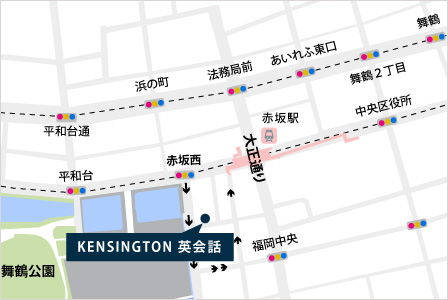
赤坂本校
〒810-0042
福岡県福岡市中央区赤坂1-12-3 ブラウンコーポ大津202

Copyright © KENSINGTON英会話(ケンジントン英会話). All Right Reserved.
・姉妹校の情報はこちら