この度、Henry先生が作成した新トピック「The Environment」がレッスンカリキュラムに加わりました!
対象レベル:中級・上級
環境問題について英語で学び、知識と表現力を深めましょう!
皆さんのご参加をお待ちしております。








この度、Henry先生が作成した新トピック「The Environment」がレッスンカリキュラムに加わりました!
対象レベル:中級・上級
環境問題について英語で学び、知識と表現力を深めましょう!
皆さんのご参加をお待ちしております。

【Henry講師】
はじめに:日本では毎年夏になると、スイカ割りという楽しい風習があります。海水浴やお祭り、友人や家族との集まりで特に人気があります。多くの生徒から、このユニークなアクティビティーを特に外国人の友人や観光客と話すときに、英語でどう説明するのか質問を受けます。このブログでは、便利な表現と例文を使って、スイカ割りを英語でどう説明するかを紹介します。また、この楽しい夏の遊びに参加した私自身の経験も紹介します!

スイカ割りを外国の人に説明するときに使える英文を紹介します:
1.Suikawari is a traditional Japanese summer game where someone tries to break a watermelon while blindfolded.
(スイカ割りは、目隠しをしてスイカを割る伝統的な日本の夏の遊びです。)
語彙のヒント:
Traditional =文化を通して受け継がれてきたもの。
Blindfolded =見えないように目を覆った状態。
2.In suikawari, a person is spun around and tries to hit the watermelon with a stick.
(スイカ割りでは、人がくるくる回って棒でスイカを叩こうとします。)
文法ポイント:
「Is spun around」は受動態です。主語が動作を受けます。
3.People nearby shout directions to help the player find the watermelon.
(目隠しをしている人がスイカを見つけられるように、近くにいる人たちが大声で指示を出します。)
便利なフレーズ:
「Shout directions 」は、大声で「左!」「右!」 「止まれ!」などと指示を出すことを意味します。
4.If the player hits the watermelon, it breaks open and everyone shares the sweet fruit together.
(もしスイカを叩くと割れるので、みんなで甘いスイカを分け合います。)
文化に関するメモ:
スイカを割った後のおすそ分けも楽しみのひとつ!
5.It’s a popular activity at the beach or during summer festivals in Japan.
(日本ではビーチや夏祭りで人気のアクティビティです。)
便利な表現:
「Popular activity 」は楽しいことや一般的なことを話す一般的な表現です。
文章を並べて言ってみましょう:
Suikawari is a traditional Japanese summer game where someone tries to break a watermelon while blindfolded.
In suikawari, a person is spun around and tries to hit the watermelon with a stick.
People nearby shout directions (Right! Left! Stop!…) to help the player find the watermelon.
If the player hits the watermelon, it breaks open and everyone shares the sweet fruit together.
It’s a popular activity at the beach or during summer festivals in Japan.
スイカ割りは、目隠しをしてスイカを割る伝統的な日本の夏の遊びです。
スイカ割りでは、人がくるくる回って棒でスイカを叩こうとします。
目隠しをしている人がスイカを見つけられるように、近くにいる人たちが大声で指示を出します。(右!左!止まれ!…)
もしスイカを叩くと割れるので、みんなで甘いスイカを分け合います。
日本ではビーチや夏祭りで人気のアクティビティです。

ピニャータ(メキシコ、その他のラテンアメリカ諸国)
キャンディーや小さなおもちゃを詰めた色鮮やかな容器(動物や星の形をしていることが多い)。目隠しをした参加者が棒で割って開けようとします。スイカ割りと同じように、目隠しをしたまま物を叩き、お菓子をみんなで分け合います。誕生日会やお祭りでよく行われます。

スイカ割りを初めてやったのは、岡山県玉野市で家族や友人とビーチでバーベキューをしたときでした。その日は8月の暑い日で、大きなスイカと棒、目隠し用のタオルを持参しました。5歳くらいの一番小さな子どもから順番に、みんなスイカを叩いてみました。私の番がきたとき、ちょっと回転しすぎてめまいがしてしまいました!スイカまで2メートルも外してしまいました!やっと誰かがスイカを叩き、私たちは炎天下の中、甘くて冷たいジューシーなスライスを食べました。
スイカ割りは楽しくてユニークな日本の夏の文化の一つです。日本の人々が友人や家族とこの季節をどのように楽しむかを示す素晴らしい例です。スイカ割りのような伝統を英語で説明できれば、世界中の人々とつながり、誇りを持って日本文化を分かち合うことができます。今度「スイカ割りって何?」と聞かれたら、この記事の例文を使ってみてください。
ケンジントン英会話では、教科書には載っていない、活きた表現を身に付けることができます。
福岡市内の教室やオンラインで、経験豊富でフレンドリーな講師と一緒に英語を学びませんか?
実践的な英語を学びたい方はケンジントン英会話の公式サイトをチェック!
スイカ割り(suikawari) Japan’s Summer Watermelon Game Explained in English
Introduction:
Every summer in Japan, people enjoy a fun tradition called スイカ割り (suikawari). It’s especially popular at beaches, festivals, and summer gatherings with friends and family. Many students ask me how to explain this unique activity in English, especially when talking with foreign friends or visitors. In this blog post, I’ll show you how to describe suikawari clearly in English using useful expressions and example sentences. I’ll also share my own experience participating in this fun summer game!
How to Describe “Suikawari” in English
Here are some useful English sentences you can use to explain スイカ割り (suikawari) to people from other countries:
Let’s put the sentences together and say:
Suikawari is a traditional Japanese summer game where someone tries to break a watermelon while blindfolded.
In suikawari, a person is spun around and tries to hit the watermelon with a stick.
People nearby shout directions (Right! Left! Stop!…) to help the player find the watermelon.
If the player hits the watermelon, it breaks open and everyone shares the sweet fruit together.
It’s a popular activity at the beach or during summer festivals in Japan.
Similar traditions in other countries
Piñata (Mexico and other Latin American countries)
A brightly colored container (often shaped like animals or stars) filled with candy and small toys. Blindfolded participants try to break it open with a stick. Like suikawari, it involves hitting an object while blindfolded, and sharing the treats with others. It’s common at birthday parties and festivals.
My Experience Playing Suikawari in Japan
I tried suikawari for the first time at a beach barbecue with my family and friends in Tamano Okayama. It was a hot August day, and we brought a big watermelon, a stick, and a towel to use as a blindfold. Starting from the youngest child who was around 5 years old, we all took turns to try to whack the watermelon. When my turn came, they spun around a little too much and I felt dizzy! And yeah I missed the watermelon by two meters! Finally someone whacked it and we sweet, cool juicy slices in the hot sun.
Conclusion:
Suikawari is a fun and unique part of Japanese summer culture. It’s a great example of how people in Japan enjoy the season with friends and family. Being able to explain traditions like suikawari in English helps you connect with people from around the world and share Japanese culture proudly. Try using the example sentences from this post the next time someone asks you, “What’s suikawari?”
ケンジントン英会話では、教科書には載っていない、活きた表現を身に付けることができます。
福岡市内の教室やオンラインで、経験豊富でフレンドリーな講師と一緒に英語を学びませんか?
実践的な英語を学びたい方はケンジントン英会話の公式サイトをチェック!

【Finn講師】
英語学習者を混乱させがちなよく使われる表現に 「smooth sailing」 があります。商談や旅行の話、日常的なディスカッションなどで、物事が予想以上にうまくいったときによく使われるフレーズです。多くの学習者は、船と関係があるのだろうと推測します。確かにそうですが、それだけではありません。

「SmoothSailing」とは、問題や複雑さがなく、物事が順調に進んでいることを意味します。この言葉は、穏やかな海や好天によって快適な旅となるヨットの世界に由来しています。日常生活では、予想以上に物事がうまくいっていたり、簡単に進んでいる状況を表現するのに使います。

Greg: Hey Andrew! How was your first week at the new job?”
(グレッグ: やあ、アンドリュー!新しい職場での最初の一週間はどうだった?)
Andrew: It was smooth sailing. The team was friendly and the training was super clear.
(アンドリュー: 順風満帆だったよ。チームはフレンドリーだったし、研修もとてもわかりやすかった。)
Rita: Was the trip to Singapore stressful?
(リタ: シンガポールへの出張はストレスがたまった?)
Emily: Not at all. From check-in to arrival, everything was smooth sailing.
(エミリー:全然、まったくなかったわ。チェックインから到着まで、すべてが順風満帆だった。)
A breeze
The Eiken test was a breeze. I finished 15 minutes early.
(英検は楽勝だった。15分早く終わったよ。)
Like clockwork
The event ran like clockwork. No delays, no issues.
(予定通りイベントは進行しました。遅れも問題もなかったです。)
Piece of cake
Fixing my laptop was a piece of cake once I watched the tutorial on YouTube.
(YouTubeでチュートリアルを見れば、ノートパソコンの修理は簡単だった。)

ナイジェリアから日出ずる国へ。
ナイジェリアから日本で教えるために引っ越したとき、周りのみんなは大変な旅になると思っていました。しかし、順調にいきました。YouTubeで日本について学び、教師研修にも参加しました。こういった準備はとても役に立ちました。最初の1週間は、すべてが初めてでしたがストレスはありませんでした。準備はできていると感じました。順風満帆でした。
英語を学ぶにせよ、新しい仕事を始めるにせよ、私のように新しい国に引っ越すにせよ、順風満帆は可能だということを忘れないでほしいです。だから、次に物事がうまくいったら、恐れずに笑顔で 「It’s smooth sailing from here. 」と言ってみましょう。
ケンジントン英会話では、教科書には載っていない、活きた表現を身に付けることができます。
福岡市内の教室やオンラインで、経験豊富でフレンドリーな講師と一緒に英語を学びませんか?
実践的な英語を学びたい方はケンジントン英会話の公式サイトをチェック!
[英語原文]
One popular expression that tends to confuse English learners is “smooth sailing.” It’s a phrase often used in business meetings, travel stories, and everyday discussions when things go better than expected. Many students guess that it has something to do with boats. Although true, there is more to it.
What “Smooth Sailing” really means
“Smooth sailing” means something is going on well, without problems or complications. It comes from the world of sailing, where a calm sea and good weather make for an easy journey. In everyday life, we use it to describe any situation that’s going better than expected or progressing easily.
Conversation examples
Greg: Hey Andrew! How was your first week at the new job?”
Andrew: It was smooth sailing. The team was friendly and the training was super clear.
Rita: Was the trip to Singapore stressful?
Emily: Not at all. From check-in to arrival, everything was smooth sailing.
Words similar to “Smooth Sailing”
A breeze
The Eiken test was a breeze. I finished 15 minutes early.
Like clockwork
The event ran like clockwork. No delays, no issues.
Piece of cake
Fixing my laptop was a piece of cake once I watched the tutorial on YouTube.
My own real “smooth sailing” experience
From Nigeria to the Land of the Rising Sun.
When I moved from Nigeria to teach in Japan, people thought it would be a tough journey. But it went smoothly. I spent some time learning about Japan through YouTube and attended teacher training. These preparations helped me a lot. My first week wasn’t stressful even though everything was new. I felt ready. It was smooth sailing.
Conclusion
Whether you’re learning English,starting a new job, or moving to a new country like I did, remember that smooth sailing is possible. So, next time things are going well, don’t be afraid to smile and say, “It’s smooth sailing from here.”
ケンジントン英会話では、教科書には載っていない、活きた表現を身に付けることができます。
福岡市内の教室やオンラインで、経験豊富でフレンドリーな講師と一緒に英語を学びませんか?
実践的な英語を学びたい方はケンジントン英会話の公式サイトをチェック!

【Robin講師】
外国人の友達と話すとき、観光客を案内するとき、あるいは英語の練習をするときなど、地元の名所について説明できることはとても大切です。中でも紹介したいのが「PayPayドーム」。
福岡ソフトバンクホークスの本拠地であり、日本で初めて開閉式屋根を備えたスタジアムです。
この記事では、そんなPayPayドームについて自然な英語で話す方法を紹介します。
野球ファンの方は特にチェックしてみてください!
福岡を訪れる人にPayPayドームを紹介するときに使える便利な英語フレーズをご紹介します。
1. “PayPay Dome is a large, indoor baseball stadium in Fukuoka.”
(PayPayドームは、福岡にある大型の屋内野球スタジアムです。)
この表現は、PayPayドームがどんな施設かを明確に伝えます。屋根があるため「ドーム」と呼ばれますが、相手が「ドーム」という言葉に馴染みがない場合は「屋内スタジアム」と説明すると分かりやすいです。
2. “PayPay Dome is home to the SoftBank Hawks (the Hawks).”
(PayPayドームはソフトバンクホークス(ホークス)の本拠地です。)
このフレーズでは、PayPayドームがホークスのホーム(home stadium)であることを伝えています。
3. “It’s the first stadium in Japan with a retractable roof.”
(日本で初めて開閉式屋根を備えたスタジアムです。)
「retractable」とは、開閉可能という意味です。イベントによっては屋根を開けることもありますが、私は冷房の効いた閉じた状態が好きです!ただし電気代のことは聞かないで(笑)。
4. “The area around the dome is really nice. There are many shops, restaurants, a hotel, a shopping mall, Fukuoka Tower, and Momochi Beach.”
(ドームの周辺もとても良いです。ショップやレストラン、ホテル、ショッピングモール、福岡タワー、百道浜などがあります。)
相手が野球に興味がない場合や、試合を観に行く予定がない場合は、周辺施設について話すのも良いでしょう。もちろん、全部を紹介する必要はありません。
5. “It’s a great place to experience Japanese baseball culture.”
(日本の野球文化を体験するのにぴったりの場所です。)
相手が野球ファンなら、ぜひ試合観戦を勧めましょう。アメリカなど他の国の野球観戦とはまったく違う体験だと伝えると良いでしょう。
これらのフレーズを使えば、福岡で最も有名なスタジアムを自然な英語で紹介できるようになります。
私は何度かホークスの試合を観戦しにPayPayドームへ行ったことがありますが、いつ行っても会場の盛り上がりは本当にすごいです。私はそこまで野球ファンというわけではないのですが、雰囲気が最高です。試合はもちろん、応援のコールやマスコット、ビールの売り子さんたちなど、PayPayドームでの観戦はとても楽しい体験です。しかもホークスは強いので、たいてい勝ちます!
前回行ったときは、試合前に隣接する「MARK IS」ショッピングモールで時間を過ごしました。フードコートで食事をして、何よりも試合前にビールを数杯楽しみました。ドーム内では1杯1,000円ほどするので、節約したい方には事前に飲むのをおすすめします!
夜になると、ドームがライトアップされて遠くから見るととてもきれいです。福岡タワーもライトアップされていて、福岡の景色といえばこの2つのランドマークが思い浮かびます。
PayPayドームは、ただのスポーツ観戦場所ではなく、福岡の文化を象徴する場所でもあります。
試合観戦はもちろん、周辺の施設を楽しんだり、ただ通りかかっただけでも話のネタになります。
今回ご紹介したフレーズや表現を覚えておけば、世界中から来る人たちと自信を持って話せるようになりますよ。
誰かに福岡のことを聞かれたら、ぜひ使ってみてくださいね。Go Hawks!
ケンジントン英会話では、教科書には載っていない、活きた表現を身に付けることができます。
福岡市内の教室やオンラインで、経験豊富でフレンドリーな講師と一緒に英語を学びませんか?
実践的な英語を学びたい方はケンジントン英会話の公式サイトをチェック!
Whether you’re chatting with international friends, guiding tourists, or just practicing your English, knowing how to describe local landmarks is a must. One you might want to talk about PayPay Dome, the home of the Hawks, and Japan’s first stadium with a retractable roof. In this blog post, we’ll go over how to talk about the dome naturally. So if you’re a baseball fan, you’ll want to take some notes!
Useful English Sentences to Describe PayPay Dome
Here are some useful phrases you can use when introducing PayPay Dome to someone visiting Fukuoka:
1. “PayPay Dome is a large, indoor baseball stadium in Fukuoka.”
This very clearly explains what PayPay Dome is. Note that because it has a roof, it’s considered a dome, not a stadium. However, you might want to explain that it is an indoor baseball stadium to someone who isn’t familiar with the term.
2. “PayPay Dome is home to the SoftBank Hawks (the Hawks).”
This outlines the fact that PayPay Dome is the home stadium (or dome)of the baseball team, the SoftBank Hawks.
3. “It’s the first stadium in Japan with a retractable roof.”
“Retractable” means the roof can be retracted back, or opened. While they do open up the dome for certain events, I certainly prefer it closed, with the AC on! Just don’t ask me to cover the electric bill!
4. “The area around the dome is really nice. There are many shops, restaurants, a hotel, a shopping mall, Fukuoka Tower, and Momochi Beach.”
It might be nice to also describe the area around PayPay Dome, especially if the person you’re talking to isn’t interested in baseball, or isn’t planning to go watch a game. Of course, you don’t need to mention all of those places.
5. “It’s a great place to experience Japanese baseball culture.”
In case the person you’re talking to is a baseball fan, you definitely want to encourage them to catch a game at PayPay Dome. You might care to further explain that watching baseball in Japan is a totally different experience to watching baseball in the States or elsewhere.
By using these phrases, you’ll sound natural and fluent when guiding someone to Fukuoka’s most famous stadium.
My Visit to PayPay Dome
I’ve been to PayPay Dome for Hawks games a few times, and each time the energy is incredible. I’m not even a huge baseball fan, but the atmosphere is amazing. From the game itself, to the chants, the mascots, and the beer girls, watching a game in PayPay Dome is always fun. Not to mention, the Hawks are good, so they’ll likely win!
Last time I went to PayPay Dome, before the game, I hung out in the MARK IS shopping mall next to the dome. We got some food in the food court, but most importantly, we had a few pregame beers. Unless you’re willing to pay around 1,000 yen per drink in the dome, I highly advise you do the same!
If you’re in the area in the evening, the dome lights up and looks especially cool from a distance. Fukuoka Tower also stands over the dome and has its own pretty lights. These two landmarks are what people think of when they think of the Fukuoka skyline.
Conclusion
PayPay Dome isn’t just a place to watch sports, it’s an experience on its own and a staple of Fukuoka culture. Whether you’re cheering on the Hawks at a game, exploring the shops, or just passing by, there’s plenty to talk about. By learning a few key phrases and expressions, you’ll feel more confident speaking with visitors from around the world. Try using some of these phrases next time someone asks you about Fukuoka. Go Hawks!
ケンジントン英会話では、教科書には載っていない、活きた表現を身に付けることができます。
福岡市内の教室やオンラインで、経験豊富でフレンドリーな講師と一緒に英語を学びませんか?
実践的な英語を学びたい方はケンジントン英会話の公式サイトをチェック!

以下の日程でオンライングループレッスンを臨時開講いたします。
・8月21日(木) 12:00~ Lv2
・8月22日(金) 19:30~ Lv2
ご予約お待ちしております。

8月のスケジュールについてのお知らせです。
◆8月10日(日)~8月16日(土)は夏季休暇のため休校です。
休校期間中にいただいたご予約・お問い合わせは翌営業日に順次ご返信いたします。

【Warren講師】
Hello, Warren here.
I’m guessing, if you’re reading this, that you’re Japanese, so I’m sure you know more than I do about clam digging, it being an annual tradition in Japan. Therefore, I’ll simply give an overview of how we would describe 潮干狩り in English.
Clam digging, an activity enjoyed by many countries and cultures, takes place in Japan from late March to June, which is when low tides occur.
Equipment used includes a small rake / hand shovel, mesh nets or a bucket to store what you catch, and from a safety perspective, it’s wise to wear waterproof footwear, which will also protect you from any broken, sharp shells.
According to this extremely informative article (link at the bottom), there are generally two types of clams to be found in the Fukuoka area: Japanese Littleneck (あさり) and Gould’s Razor Shell (マテガイ), though I must admit, I’m not a fan of shellfish, so have never tried them myself.
Unfortunately, this blog reaches you at the tail end of the season, but you’ll have the opportunity to do it next year, so keep this handy / bookmarked.
The following link is a comprehensive guide to clam digging in Fukuoka and its surrounding areas, and goes into much more detail.
https://www.fukuoka-now.com/en/clam-digging-guide/ (English version)
https://www.fukuoka-now.com/ja/clam-digging-guide/ (日本語版)
ケンジントン英会話では、教科書には載っていない、活きた表現を身に付けることができます。
福岡市内の教室やオンラインで、経験豊富でフレンドリーな講師と一緒に英語を学びませんか?
実践的な英語を学びたい方はケンジントン英会話の公式サイトをチェック!
[日本語訳]
こんにちは、ウォーレンです。
これを読んでいるということは、おそらくあなたは日本人だと思いますので、潮干狩りについては私よりずっとご存知でしょう。日本では毎年恒例の行事ですからね。
ですので、ここでは「潮干狩り」を英語でどのように説明するか、簡単にご紹介します。
潮干狩りは多くの国や文化で楽しまれているアクティビティで、日本では3月下旬から6月頃の潮が引く時期に行われます。
必要な道具には、小さな熊手やスコップ、採った貝を入れる網やバケツなどがあります。また、安全のためには防水の靴を履くのが賢明です。これは割れた貝殻などの鋭いもので足を傷つけないためでもあります。
非常に詳しい情報が載っている記事(下にリンクあり)によると、福岡エリアでは主に2種類の貝(アサリとマテガイ) が採れるそうです。
ただ正直なところ、私は貝類があまり得意ではないので、実は食べたことはありません。
残念ながら、このブログが届く頃には潮干狩りシーズンは終わりかけですが、来年またチャンスがありますので、このページをブックマークしておくと便利ですよ。
以下のリンクは、福岡とその周辺エリアでの潮干狩りについて、もっと詳しく解説した総合ガイドです。
https://www.fukuoka-now.com/en/clam-digging-guide/ (English version)
https://www.fukuoka-now.com/ja/clam-digging-guide/ (日本語版)
ケンジントン英会話では、教科書には載っていない、活きた表現を身に付けることができます。
福岡市内の教室やオンラインで、経験豊富でフレンドリーな講師と一緒に英語を学びませんか?
実践的な英語を学びたい方はケンジントン英会話の公式サイトをチェック!

先日、2025年度 英語技能検定 第1回の一次試験の合否発表が行われました。
受験された皆さま、本当にお疲れさまでした!
二次試験を受験される方は、引き続きしっかりと対策を進めていきましょう。
当校でも面接試験対策ご希望の方にはサポートを行っておりますので、お気軽にご相談ください。
7月のスケジュールについてのお知らせです。
◆7月1日(火)、2日(水)、3日(木)はグループレッスンのみお休みです。
◆7月21日(月)は祝日のため休校です。
休校期間中にいただいたご予約・お問い合わせは翌営業日に順次ご返信いたします。

【Tamiyo講師】
「blood, sweat and tears」という表現は、何かを成し遂げるために非常に一生懸命に努力すること、あるいは最大限の努力を注ぐことを意味します。
このフレーズが使われるとき、それは「とても困難なことで、多大な努力を必要とすること」を指しています。
ケンジントン英会話では、教科書には載っていない、活きた表現を身に付けることができます。
福岡市内の教室やオンラインで、経験豊富でフレンドリーな講師と一緒に英語を学びませんか?
実践的な英語を学びたい方はケンジントン英会話の公式サイトをチェック!

「I have nothing to offer but blood, toil, tears and sweat (私には血と労苦と涙と汗しか差し出せるものはない)」
これは、1940年5月13日に首相としての就任演説でウィンストン・チャーチルが語った言葉です。
チャーチルがこの「blood, tears, and sweat (血と涙と汗)」という言葉を広めたことで有名ですが、実はこの表現自体は彼のオリジナルではなく、それ以前から他の人々によって使われていました。

The film makes ballet look as though it’s all blood, sweat, tears and sacrifice.
(この映画は、バレエが「血と汗と涙と犠牲」の上に成り立っているように描いている。)
She knew that it would take blood, sweat, and tears to reach the next stage of the tournament.
(彼女は、トーナメントの次のステージに進むには血と汗と涙が必要だとわかっていた。)
They’ve all spilled blood, sweat and tears for their high schools and colleges.
(彼らは皆、高校や大学のために血と汗と涙を流してきた。)
He’s going through all the blood, sweat, and tears involved in getting accepted at Todai.
(彼は東大に合格するために必要な、血と汗と涙のプロセスを経験しているところだ。)

The Blood, Sweat and Tears story behind the brand
(そのブランドの背後にある「血と汗と涙」の物語)
They had given their blood, sweat, and tears to getting their business up and running.
(彼らはビジネスの立ち上げに、血と汗と涙を注いだ。)
I’ve poured blood, sweat, and tears into this business, and it’s finally starting to pay off.
(私はこのビジネスに血と汗と涙を注ぎ込んできた。そしてようやく報われ始めている。)
Despite years of blood, sweat, and tears, the company went bankrupt.
(長年にわたる血と汗と涙にもかかわらず、その会社は倒産した。)
語学学習には、血と汗と涙を流す必要はありませんが、魔法のように簡単に身につくわけでもなく、ある程度の努力と継続的な取り組みは必要です。
かつてチャーチルが、ナチスに立ち向かう英国民を鼓舞し、結束させるためにこう言いました。
「We shall never surrender!!!! (我々は決して降伏しない!!!!)」
「We shall never surrender」の精神で、あきらめずに取り組み続けましょう!

ケンジントン英会話講師:タミヨ
犬猫大好き人間。イラストレーターでもあります。山登りに熱中している、ブラジル生まれのブラジル育ちです。(いえいえ、サンバは踊りませんよ!)
なぜ英語を?
英語を7年間学び、あるアメリカ企業のブラジル支社で4年間働きました。日本に落ち着くまでは、少し旅行して回ったこともあります(南アメリカとイングランド)。
ケンジントンでは、生徒様は受講するレッスンを選べます。一番いい点は、「宿題」をレッスンの前にするようになっているところです。「先生」が言うことをただ繰り返すのではなく、レッスンで使う語句や表現を身に付けた上でレッスンに来て、勉強した言葉を使う練習をします。
ただ英語を話すのではなく、英語を使ってコミュニケーションを学ぶのです。言葉を口にするとき、気持ちがしっかりこもっているんです!
ケンジントン英会話では、教科書には載っていない、活きた表現を身に付けることができます。
福岡市内の教室やオンラインで、経験豊富でフレンドリーな講師と一緒に英語を学びませんか?
実践的な英語を学びたい方はケンジントン英会話の公式サイトをチェック!
It means extremely hard work, or the greatest effort possible, in order to achieve something. If you refer to something as involving blood, sweat, and tears, you mean that it is a very hard thing to do and requires a lot of effort
“I have nothing to offer but blood, toil, tears and sweat”
“I have nothing to offer but blood, toil, tears and sweat” said Winston Churchill on his inaugural speech as Prime Minister on May 13, 1940. While Churchill is credited with popularizing the idiom “blood, tears, and sweat” he didn’t coin it. It had been used by others before him.
sentence examples
The film makes ballet look as though it’s all blood, sweat, tears and sacrifice.
She knew that it would take blood, sweat, and tears to reach the next stage of the tournament.
They’ve all spilled blood, sweat and tears for their high schools and colleges.
He’s going through all the blood, sweat, and tears involved in getting accepted at Todai.
on a business setting
The Blood, Sweat and Tears story behind the brand
They had given their blood, sweat, and tears to getting their business up and running.
I’ve poured blood, sweat, and tears into this business, and it’s finally starting to pay off.
Despite years of blood, sweat, and tears, the company went bankrupt.
Conclusion: Learning a language will not cost you blood, sweat and tears; still it does not mean it is magic, it requires some dedication and effort. As (the same) Churchill said to inspire the British people and to solidify their resistance against the Nazi: “We shall never surrender!!!!”
Stay focused!






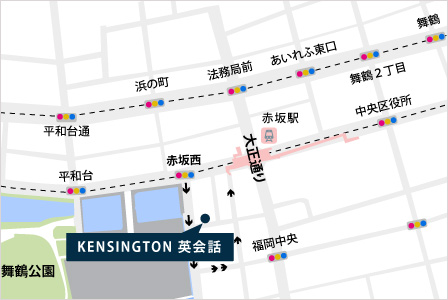
赤坂本校
〒810-0042
福岡県福岡市中央区赤坂1-12-3 ブラウンコーポ大津202

Copyright © KENSINGTON英会話(ケンジントン英会話). All Right Reserved.
・姉妹校の情報はこちら