8月のスケジュールについてのお知らせです。
◆8月10日(日)~8月16日(土)は夏季休暇のため休校です。
休校期間中にいただいたご予約・お問い合わせは翌営業日に順次ご返信いたします。








8月のスケジュールについてのお知らせです。
◆8月10日(日)~8月16日(土)は夏季休暇のため休校です。
休校期間中にいただいたご予約・お問い合わせは翌営業日に順次ご返信いたします。

【Warren講師】
Hello, Warren here.
I’m guessing, if you’re reading this, that you’re Japanese, so I’m sure you know more than I do about clam digging, it being an annual tradition in Japan. Therefore, I’ll simply give an overview of how we would describe 潮干狩り in English.
Clam digging, an activity enjoyed by many countries and cultures, takes place in Japan from late March to June, which is when low tides occur.
Equipment used includes a small rake / hand shovel, mesh nets or a bucket to store what you catch, and from a safety perspective, it’s wise to wear waterproof footwear, which will also protect you from any broken, sharp shells.
According to this extremely informative article (link at the bottom), there are generally two types of clams to be found in the Fukuoka area: Japanese Littleneck (あさり) and Gould’s Razor Shell (マテガイ), though I must admit, I’m not a fan of shellfish, so have never tried them myself.
Unfortunately, this blog reaches you at the tail end of the season, but you’ll have the opportunity to do it next year, so keep this handy / bookmarked.
The following link is a comprehensive guide to clam digging in Fukuoka and its surrounding areas, and goes into much more detail.
https://www.fukuoka-now.com/en/clam-digging-guide/ (English version)
https://www.fukuoka-now.com/ja/clam-digging-guide/ (日本語版)
ケンジントン英会話では、教科書には載っていない、活きた表現を身に付けることができます。
福岡市内の教室やオンラインで、経験豊富でフレンドリーな講師と一緒に英語を学びませんか?
実践的な英語を学びたい方はケンジントン英会話の公式サイトをチェック!
[日本語訳]
こんにちは、ウォーレンです。
これを読んでいるということは、おそらくあなたは日本人だと思いますので、潮干狩りについては私よりずっとご存知でしょう。日本では毎年恒例の行事ですからね。
ですので、ここでは「潮干狩り」を英語でどのように説明するか、簡単にご紹介します。
潮干狩りは多くの国や文化で楽しまれているアクティビティで、日本では3月下旬から6月頃の潮が引く時期に行われます。
必要な道具には、小さな熊手やスコップ、採った貝を入れる網やバケツなどがあります。また、安全のためには防水の靴を履くのが賢明です。これは割れた貝殻などの鋭いもので足を傷つけないためでもあります。
非常に詳しい情報が載っている記事(下にリンクあり)によると、福岡エリアでは主に2種類の貝(アサリとマテガイ) が採れるそうです。
ただ正直なところ、私は貝類があまり得意ではないので、実は食べたことはありません。
残念ながら、このブログが届く頃には潮干狩りシーズンは終わりかけですが、来年またチャンスがありますので、このページをブックマークしておくと便利ですよ。
以下のリンクは、福岡とその周辺エリアでの潮干狩りについて、もっと詳しく解説した総合ガイドです。
https://www.fukuoka-now.com/en/clam-digging-guide/ (English version)
https://www.fukuoka-now.com/ja/clam-digging-guide/ (日本語版)
ケンジントン英会話では、教科書には載っていない、活きた表現を身に付けることができます。
福岡市内の教室やオンラインで、経験豊富でフレンドリーな講師と一緒に英語を学びませんか?
実践的な英語を学びたい方はケンジントン英会話の公式サイトをチェック!

先日、2025年度 英語技能検定 第1回の一次試験の合否発表が行われました。
受験された皆さま、本当にお疲れさまでした!
二次試験を受験される方は、引き続きしっかりと対策を進めていきましょう。
当校でも面接試験対策ご希望の方にはサポートを行っておりますので、お気軽にご相談ください。
7月のスケジュールについてのお知らせです。
◆7月1日(火)、2日(水)、3日(木)はグループレッスンのみお休みです。
◆7月21日(月)は祝日のため休校です。
休校期間中にいただいたご予約・お問い合わせは翌営業日に順次ご返信いたします。

【Tamiyo講師】
「blood, sweat and tears」という表現は、何かを成し遂げるために非常に一生懸命に努力すること、あるいは最大限の努力を注ぐことを意味します。
このフレーズが使われるとき、それは「とても困難なことで、多大な努力を必要とすること」を指しています。
ケンジントン英会話では、教科書には載っていない、活きた表現を身に付けることができます。
福岡市内の教室やオンラインで、経験豊富でフレンドリーな講師と一緒に英語を学びませんか?
実践的な英語を学びたい方はケンジントン英会話の公式サイトをチェック!

「I have nothing to offer but blood, toil, tears and sweat (私には血と労苦と涙と汗しか差し出せるものはない)」
これは、1940年5月13日に首相としての就任演説でウィンストン・チャーチルが語った言葉です。
チャーチルがこの「blood, tears, and sweat (血と涙と汗)」という言葉を広めたことで有名ですが、実はこの表現自体は彼のオリジナルではなく、それ以前から他の人々によって使われていました。

The film makes ballet look as though it’s all blood, sweat, tears and sacrifice.
(この映画は、バレエが「血と汗と涙と犠牲」の上に成り立っているように描いている。)
She knew that it would take blood, sweat, and tears to reach the next stage of the tournament.
(彼女は、トーナメントの次のステージに進むには血と汗と涙が必要だとわかっていた。)
They’ve all spilled blood, sweat and tears for their high schools and colleges.
(彼らは皆、高校や大学のために血と汗と涙を流してきた。)
He’s going through all the blood, sweat, and tears involved in getting accepted at Todai.
(彼は東大に合格するために必要な、血と汗と涙のプロセスを経験しているところだ。)

The Blood, Sweat and Tears story behind the brand
(そのブランドの背後にある「血と汗と涙」の物語)
They had given their blood, sweat, and tears to getting their business up and running.
(彼らはビジネスの立ち上げに、血と汗と涙を注いだ。)
I’ve poured blood, sweat, and tears into this business, and it’s finally starting to pay off.
(私はこのビジネスに血と汗と涙を注ぎ込んできた。そしてようやく報われ始めている。)
Despite years of blood, sweat, and tears, the company went bankrupt.
(長年にわたる血と汗と涙にもかかわらず、その会社は倒産した。)
語学学習には、血と汗と涙を流す必要はありませんが、魔法のように簡単に身につくわけでもなく、ある程度の努力と継続的な取り組みは必要です。
かつてチャーチルが、ナチスに立ち向かう英国民を鼓舞し、結束させるためにこう言いました。
「We shall never surrender!!!! (我々は決して降伏しない!!!!)」
「We shall never surrender」の精神で、あきらめずに取り組み続けましょう!

ケンジントン英会話講師:タミヨ
犬猫大好き人間。イラストレーターでもあります。山登りに熱中している、ブラジル生まれのブラジル育ちです。(いえいえ、サンバは踊りませんよ!)
なぜ英語を?
英語を7年間学び、あるアメリカ企業のブラジル支社で4年間働きました。日本に落ち着くまでは、少し旅行して回ったこともあります(南アメリカとイングランド)。
ケンジントンでは、生徒様は受講するレッスンを選べます。一番いい点は、「宿題」をレッスンの前にするようになっているところです。「先生」が言うことをただ繰り返すのではなく、レッスンで使う語句や表現を身に付けた上でレッスンに来て、勉強した言葉を使う練習をします。
ただ英語を話すのではなく、英語を使ってコミュニケーションを学ぶのです。言葉を口にするとき、気持ちがしっかりこもっているんです!
ケンジントン英会話では、教科書には載っていない、活きた表現を身に付けることができます。
福岡市内の教室やオンラインで、経験豊富でフレンドリーな講師と一緒に英語を学びませんか?
実践的な英語を学びたい方はケンジントン英会話の公式サイトをチェック!
It means extremely hard work, or the greatest effort possible, in order to achieve something. If you refer to something as involving blood, sweat, and tears, you mean that it is a very hard thing to do and requires a lot of effort
“I have nothing to offer but blood, toil, tears and sweat”
“I have nothing to offer but blood, toil, tears and sweat” said Winston Churchill on his inaugural speech as Prime Minister on May 13, 1940. While Churchill is credited with popularizing the idiom “blood, tears, and sweat” he didn’t coin it. It had been used by others before him.
sentence examples
The film makes ballet look as though it’s all blood, sweat, tears and sacrifice.
She knew that it would take blood, sweat, and tears to reach the next stage of the tournament.
They’ve all spilled blood, sweat and tears for their high schools and colleges.
He’s going through all the blood, sweat, and tears involved in getting accepted at Todai.
on a business setting
The Blood, Sweat and Tears story behind the brand
They had given their blood, sweat, and tears to getting their business up and running.
I’ve poured blood, sweat, and tears into this business, and it’s finally starting to pay off.
Despite years of blood, sweat, and tears, the company went bankrupt.
Conclusion: Learning a language will not cost you blood, sweat and tears; still it does not mean it is magic, it requires some dedication and effort. As (the same) Churchill said to inspire the British people and to solidify their resistance against the Nazi: “We shall never surrender!!!!”
Stay focused!

【Henry講師】
「Don’t beat around the bush」というフレーズを聞いたことがありますか?
これはとてもよく使われる表現で、特に日常会話やビジネスの場面でよく登場します。
このブログでは、この表現の意味や例文、さらには私自身のエピソードも交えてご紹介します。
ケンジントン英会話では、教科書には載っていない、活きた表現を身に付けることができます。
福岡市内の教室やオンラインで、経験豊富でフレンドリーな講師と一緒に英語を学びませんか?
実践的な英語を学びたい方はケンジントン英会話の公式サイトをチェック!

「beat around the bush」というフレーズは、はっきり言わずに回りくどく話すという意味です。
この表現を使うときは、相手が本題に入らず、関係のない話をしているような状況を指します。
[例文1]
A: Did you talk to your boss about your vacation?
(上司に休暇の話をした?)
B: Not really… I kind of beat around the bush.
(うーん、はっきりとは…ちょっと遠回しに話しちゃった。)
A: You should just be honest and ask! You’ve worked hard this year!
(正直に言ったほうがいいよ!今年はすごく頑張ったんだから!)
Instead of telling me the bad news, he beat around the bush for 10 minutes.
(悪い知らせを伝える代わりに、彼は10分も遠回しな話をしていた。)
この表現は、緊張している時や恥ずかしい時、はっきり言いたくない時によく使われます。

「beat around the bush」と似た意味で使える英語表現をいくつか紹介します。
[例文]
He kept avoiding the topic of money.
(彼はお金の話題をずっと避けていた。)
[例文]
She danced around the issue when I asked about her job.
(仕事について聞いたとき、彼女は問題をはっきり言わなかった。)
[例文]
Stop talking in circles and get to the point!
(堂々巡りの話はやめて、本題に入りましょう!)
これらは、相手にもっと率直に話してほしいときに使える便利な表現です。

私の妻・ヨウコは、よく「beat around the bush」をします。
たとえば2週間前、外食したいときに直接「外食したい」とは言わず、 「うーん…今日は買い物に行けなかったし、料理する気分じゃなくて…」とそれとなく伝えてきましたね。
「beat around the bush」は、日常英語でよく使われるフレーズなので、理解しておくととても便利です。
相手がはっきり言わない時にその状況を理解するのにも、自分の行動を説明するのにも使えます。
誰かが遠回しに話していると感じたら、こう言ってみてください:
「Don’t beat around the bush!(はっきり言って!)」

ケンジントン英会話講師:Henry
こんにちは。ヘンリー・キリヨーワです。
東アフリカのウガンダ出身です。
(4つの大陸の)いろいろな国で暮らしたことがあります。 異なる文化圏の人々に会うのが大好きです。日本女性と結婚し、4人の素晴らしい娘がいます。時間のあるときは、本を読んだり、短編を書いたり、テレビでサッカー観戦をしたりしています。もし私の短編を読んでみたい方がいらっしゃれば、お知らせ下さいね 😉
日本での生活も10年を超えました。日本は素晴らしい国だと思います。食べ物はおいしく、人々は親切で、お金があればとても便利に暮らせます。 ウガンダに戻り、農場をつくって酪農(搾乳)と養鶏(にわとり・あひる)を始める予定ですが、それまであともう数年は、日本にとどまるつもりです。
英語について言えば、現在世界で最も役に立つ言語の1つです。1人のネイティブスピーカーとだけでなく、世界のあらゆるところの人々と伝え合うために、英語を学んで下さいね。人口統計の観点から言うと、日本は次の20~30年で、今とはかなり違って見えることでしょう。 まあ、こんなところでしょうか。よろしくおねがいします。
ケンジントン英会話では、教科書には載っていない、活きた表現を身に付けることができます。
福岡市内の教室やオンラインで、経験豊富でフレンドリーな講師と一緒に英語を学びませんか?
実践的な英語を学びたい方はケンジントン英会話の公式サイトをチェック!
“Beat Around the Bush” What does it mean and how to use it?
Have you ever heard someone say, “Don’t beat around the bush”? This is a very common phrase in English, especially in daily conversations and business situations. In this blog post, I will explain the meaning, give some easy examples, and even share a story from my own life.
What Does “Beat Around the Bush” Mean?
The phrase “beat around the bush” means to avoid saying something directly. A person who is beating around the bush is not getting to the point. They talk about other things, but not the main topic.
Example 1 – Conversation:
A: Did you talk to your boss about your vacation?
B: Not really… I kind of beat around the bush.
A: You should just be honest and ask! You’ve worked hard this year!
Example 2 – Sentence:
Instead of telling me the bad news, he beat around the bush for 10 minutes.
This phrase is often used when someone is nervous, shy, or doesn’t want to say something directly.
Similar Phrases You Can Use
Here are some other ways to say something similar to “beat around the bush”:
1. Avoid the topic
Example: He kept avoiding the topic of money.
2. Dance around the issue
Example: She danced around the issue when I asked about her job.
3. Not getting to the point
Example: Stop talking in circles and get to the point!
Those are useful phrases when you want someone to be more direct in a conversation.
My own experience with Beat Around the Bush
My wife Yoko tends to beat around the bush when communicating. For instance, two weeks ago, instead of directly saying she wanted to eat out, she hinted at it by saying, “Uh, I didn’t have time to go grocery shopping, and I don’t feel like cooking…”
In conclusion,
“Beat around the bush” is a very useful phrase to understand because it’s common in everyday English. It helps you recognize when someone is not being direct, and you can also use it to describe your own actions. Next time you want someone to say something clearly, try telling them, “Don’t beat around the bush!”

【Robin講師】
スポーツ、ビジネス、日常会話など、さまざまな場面でよく耳にする表現が「top of your game」です。
これは、「最高のパフォーマンスを発揮している」人を賞賛するときに使われます。
この表現は覚えておくととても便利です。
自然でカジュアルに「力を発揮している」といった意味を伝えることができます。
この記事では、「top of your game」の意味、使い方、そして私自身の体験も交えてわかりやすく解説します。
ケンジントン英会話では、教科書には載っていない、活きた表現を身に付けることができます。
福岡市内の教室やオンラインで、経験豊富でフレンドリーな講師と一緒に英語を学びませんか?
実践的な英語を学びたい方はケンジントン英会話の公式サイトをチェック!

「top of your game」は、最高のパフォーマンスを発揮することを意味します。
つまり、何かにおいて最善を尽くすこと、あるいは最高の状態になることです。
「your」の部分は、話す相手や対象によって簡単に変えることができます。
例えば:
“He’s at the top of his game.”(彼は絶好調だ)
“She’s at the top of her game.”(彼女は絶好調だ)
“They’re at the top of their game.”(彼らは絶好調だ)
このフレーズは通常、特定の分野における誰かの卓越性を褒める際に使われます。
運ではなく、パフォーマンスに焦点を当てているのがポイントです。
[例文]
“Shohei Ohtani is at the top of his game right now!”
(大谷翔平は今まさに絶好調だね!)
“She’s at the top of her game. She’s been closing deals left and right!”
(彼女は絶好調だよ。次々と契約を成立させている!)
日本語で近い表現には、「絶好調」「ノッてる」「調子がいい」などがあります。

同じような意味を持つフレーズをいくつか紹介します:
[例文]
“He’s at his best when he’s working under pressure.”
(彼はプレッシャーの中でこそ最高のパフォーマンスを発揮する。)
[例文]
“She was really in the zone during that piano recital.”
(彼女はピアノリサイタルの間、本当に集中していました。)
[例文]
“I’ve been locked in at work recently.”
(最近、仕事にすごく集中しています。)
[例文]
“I’m totally dialed in right now.”
(私は今、完全に集中しています。)
それぞれ若干使いどころが違いますが、「高いパフォーマンスを発揮している状態」という共通点があります。

私が「top of your game」という表現の意味を実感したのは、スケートボードをしているときでした。
スケボーをやったことがある人ならわかると思いますが、とても難しいスポーツです。
スムーズにトリック決め、すべてが簡単に感じられ、完全にゾーンに入る日(in the zone)もありますが、昨日できたトリックがなぜかまったく決まらない……そんなこともよくあります。
うまくいっている日は、ボードが足の延長みたいに感じられて、自信を持って難しいトリックにも挑戦できる。
そんな日は、まさに自分が今、最高の状態にある(top of my game)と感じます。
一方で、基本的な技さえ失敗ばかりする日もあります。
この体験から、「調子がいい状態」は自然に起こるものではなく、練習・メンタル・コンディションなど、いくつかの要素が重なって初めて実現するものだと学びました。
こうした波があるのは普通のことで、だからこそ、上手くいったときの達成感が大きいのです。
すべてが噛み合った瞬間、「top of your game (最高の状態)」を心から実感できます。
この記事を通じて、「top of your game」の意味と使い方がわかっていただけたらうれしいです。
この表現は、素晴らしいパフォーマンスを称えるときに使える便利なフレーズで、英語をより自然で表現力豊かにしてくれます。
友達や同僚、そして自分自身を褒めるときにもぜひ使ってみてください。
そして、忘れてはいけないのが、私たちは皆、常に最高のパフォーマンスを発揮 (top of their game)できる可能性を持っているということです!

ケンジントン英会話講師:ロビン
ケンジントン英会話では、教科書には載っていない、活きた表現を身に付けることができます。
福岡市内の教室やオンラインで、経験豊富でフレンドリーな講師と一緒に英語を学びませんか?
実践的な英語を学びたい方はケンジントン英会話の公式サイトをチェック!
Understanding the Phrase: “Top of Your Game”
Whether in sports, business, or everyday conversations, you’ll frequently hear the phrase “top of your game.”. It’s often used to praise someone who is performing at their very best. If you’re learning English, this is a great idiom to know because it can help you describe great performance in a natural, casual way. In this blog post, we’ll explore what it means, how to use it, and I’ll share a personal story to help make it even clearer.
What Does “Top of Your Game” Mean?
The phrase “top of your game” means performing at your highest level. It’s doing the best, or being the best you can be at something. The word “your” can easily be replaced depending on who you’re talking about.
For example:
– “He’s at the top of his game.”
– “She’s at the top of her game.”
– “They’re at the top of their game.”
It’s usually used to compliment someone’s excellence in a certain area. It’s not about luck, it’s about performance.
Here are some more example sentences to help understand how to use this idiom:
– “Shohei Ohtani is at the top of his game right now!”
– “She’s at the top of her game. She’s been closing deals left and right!”
In Japanese, similar phrases would be:
– 絶好調
– ノッてる
– 調子がいい
Other Ways to Say “Top of Your Game”
Here are a few phrases that have similar meanings:
– “At your best.” Example: “He’s at his best when he’s working under pressure.”
– “In the zone.” Example: “She was really in the zone during that piano recital.”
– “Locked in.” Example: “I’ve been locked in at work recently.”
– “Dialed in.” Example: “I’m totally dialed in right now.”
Each of these can be used in slightly different contexts, but they all capture the idea of someone performing at a high level.
My Experience Being “Top of My Game”
One area where I’ve really come to understand the meaning of “top of your game” is skateboarding. If you’ve ever tried it, you know how tricky it can be. One day, you’re landing tricks smoothly and everything feels easy, you’re totally in the zone. The next day, for no clear reason, you’re missing the same tricks you landed yesterday. That’s just how it is sometimes.
There have been days when I felt completely dialed in. My timing was right, the board felt like an extension of my legs, and I was confident trying harder tricks. On those days, I felt like I was at the top of my game.
On the other hand, I’ve also had days where I couldn’t even land basic tricks I normally get without thinking. It taught me that being “on your game” doesn’t always happen automatically, it’s a mix of practice, mindset, and sometimes even the right conditions.
These ups and downs are totally normal, and part of what makes progress feel rewarding. When everything finally clicks, you really appreciate those “top of your game” moments.
Conclusion:
I hope this post helped you understand what it means to be at the top of your game. It’s a phrase that celebrates a great performance, and using it can make your English sound more fluent and expressive. Try using it to compliment your friends, coworkers, or even yourself when things are going well. And remember, we all have the potential to stay at the top of our game!

【Warren講師】
こんにちは、ウォーレンです。
今日は「knackered」という単語について説明します。
「knackered」は形容詞で、イギリスとアイルランドでのみ使われる言葉です(アメリカでは使われません)。
この単語には2つの意味があります。
1つ目は、人がとても疲れている・くたくたになっている状態を表すときに使います。
2つ目は、機械やデバイスが壊れている、使い古されている、正常に動作していない状態を表すときにも使われます。
ケンジントン英会話では、教科書には載っていない、活きた表現を身に付けることができます。
福岡市内の教室やオンラインで、経験豊富でフレンドリーな講師と一緒に英語を学びませんか?
実践的な英語を学びたい方はケンジントン英会話の公式サイトをチェック!

I was absolutely knackered after that 10-hour shift.
(その10時間のシフトのあと、完全にへとへとだった。)
We got back from the hike and felt completely knackered.
(ハイキングから帰ってきたら、すっかり疲れ切っていた。)
You look knackered—long day at work?
(疲れてるみたいだね。仕事、長かった?)

My old bike’s knackered. The gears won’t even shift anymore.
(古い自転車がボロボロで、ギアも全然動かないんだ。)
The washing machine’s completely knackered—we need a new one.
(洗濯機が完全に壊れてしまって、新しいのが必要だよ。)
The car’s clutch is knackered; I need to replace it.
(車のクラッチがダメになってて、交換しなきゃいけない。)
この単語は、昔あった「knacker」という職業に由来しています。
「knacker」とは、老いたり病気になったりして使えなくなった動物を処分する人のことでした(現在はこの仕事は存在しません)。
「疲れている」という意味では下記のような類義語があります。
– shattered(打ちのめされたように疲れている)
– wrecked(ボロボロに疲れている)
– worn out(すり減ったように疲れている)
イギリスのスラングについては下記の記事にもまとめてますので、ぜひご覧ください。
イギリスのスラング「Mate」「Knackered」「Gutted」「Cheers」の意味は?

ケンジントン英会話講師:Warren
ケンジントン英会話では、教科書には載っていない、活きた表現を身に付けることができます。
福岡市内の教室やオンラインで、経験豊富でフレンドリーな講師と一緒に英語を学びませんか?
実践的な英語を学びたい方はケンジントン英会話の公式サイトをチェック!
Hello, Warren here.
Today, I’m going to give an explanation of the word ‘Knackered’.
Knackered is an adjective that is only used in the UK and Ireland (so not the US).
It has two meanings in English. We can use it to talk about when a person is very tired or exhausted, or when a machine / device is broken, worn out, or not functioning as it should.
Examples –
Used to mean ‘tired / exhausted’
I was absolutely knackered after that 10-hour shift.
We got back from the hike and felt completely knackered.
You look knackered—long day at work?
Used to mean ‘broken / worn out / not functioning as it should’
My old bike’s knackered. The gears won’t even shift anymore.
The washing machine’s completely knackered—we need a new one.
The car’s clutch is knackered; I need to replace it.
The origin of this word comes from an old job – Knacker – meaning someone who disposed of old / sick / no longer useful animals. This job no longer exists.
When used to mean ‘tired’, synonyms of knackered include ‘shattered’, ‘wrecked’, and ‘worn out’.

【Tamiyo講師】
「get itchy feet」とは、旅行したい、または今の状況を変えたいという強い欲求を表す表現です。
現在の生活に満足しておらず、新しいことや違うことを求める気持ちを含んでいます。
ケンジントン英会話では、教科書には載っていない、活きた表現を身に付けることができます。
福岡市内の教室やオンラインで、経験豊富でフレンドリーな講師と一緒に英語を学びませんか?
実践的な英語を学びたい方はケンジントン英会話の公式サイトをチェック!

オックスフォード英語辞典によると、「get itchy feet」は1920年代にロサンゼルス・タイムズで初めて使われたと言われています。
この表現は主に、新しい場所へ旅行したいという願望を意味しますが、キャリア、人間関係、自己成長などに変化を求める気持ちも示すことがあります。
「itchy feet (何かをしたくてうずうずする)」という人は、世界に対する深い好奇心を持ち、自分の快適な環境から抜け出して視野を広げたいという気持ちが強いのかもしれません。

The trip abroad gave me itchy feet, and I wanted to explore other countries.
(海外旅行をきっかけに、もっといろんな国を旅したくてうずうずするようになりました。)
As soon as John saw the travel documentary, he felt his itchy feet tingle with excitement.
(ジョンは旅行のドキュメンタリーを見た瞬間、旅に出たい気持ちがワクワクとともに湧き上がってきた。)
Erica’s itchy feet led her to enroll in a language course and explore new cultures, as she felt a strong urge to break free from her routine and embrace new experiences.
(エリカは、日常生活から抜け出して新しい経験をしたいという強い衝動を感じ、語学コースに登録して新しい文化を探求することにしました。)
It’s no wonder Ken’s got itchy feet. He’s been doing the same job, in the same office, for nearly twenty years.
(ケンが何か新しいことを始めたくなるのも無理はありません。彼は20年近く、同じオフィスで同じ仕事を続けているのですから。)

ここでは「get itchy feet」と同じ意味を持つ表現をご紹介します。
After their trip to Europe, they got the travel bug and started planning their next adventure.
(ヨーロッパ旅行を終えた彼らはすっかり旅の魅力にとりつかれ、次の冒険の計画を立て始めました。)
My brother has been bitten by the travel bug. He rarely stays in one place for more than a few months.
(うちの兄はすっかり旅好きになってしまい、数か月以上同じ場所にとどまることがほとんどありません。)
あなたは最近、何に対して「itchy feet(うずうず)」していますか?
英語を学ぶことで、旅に出て他の文化を探検したいという気持ちが湧いてきたでしょうか?
言語を学ぶことは、その文化のニュアンスや文学、音楽、暮らしを理解する扉を開くだけでなく、より深い人間関係を築いたり、旅の体験をより豊かにしてくれます。
ケンジントン英会話講師:タミヨ
犬猫大好き人間。イラストレーターでもあります。山登りに熱中している、ブラジル生まれのブラジル育ちです。(いえいえ、サンバは踊りませんよ!)
なぜ英語を?
英語を7年間学び、あるアメリカ企業のブラジル支社で4年間働きました。日本に落ち着くまでは、少し旅行して回ったこともあります(南アメリカとイングランド)。
ケンジントンでは、生徒様は受講するレッスンを選べます。一番いい点は、「宿題」をレッスンの前にするようになっているところです。「先生」が言うことをただ繰り返すのではなく、レッスンで使う語句や表現を身に付けた上でレッスンに来て、勉強した言葉を使う練習をします。
ただ英語を話すのではなく、英語を使ってコミュニケーションを学ぶのです。言葉を口にするとき、気持ちがしっかりこもっているんです!
ケンジントン英会話では、教科書には載っていない、活きた表現を身に付けることができます。
福岡市内の教室やオンラインで、経験豊富でフレンドリーな講師と一緒に英語を学びませんか?
実践的な英語を学びたい方はケンジントン英会話の公式サイトをチェック!
it means a strong desire to travel or to change one’s current situation. It implies a sense of dissatisfaction with the present situation and a desire for new or different.
origin of the idiom
According to the Oxford English Dictionary it was first used by the Los Angles time is in the 1920`s
The idiom primarily conveys a desire to travel to a new place . It can also signify a craving for change in one’s career, relationships, or personal growth. People with “itchy feet” may possess a deep curiosity about the world and an eagerness to step out of their comfort zones to broaden their perspectives.
Sentence examples
The trip abroad gave me itchy feet, and I wanted to explore other countries.
As soon as John saw the travel documentary, he felt his itchy feet tingle with excitement.
Erica’s itchy feet led her to enroll in a language course and explore new cultures, as she felt a strong urge to break free from her routine and embrace new experiences.
It’s no wonder Ken’s got itchy feet. He’s been doing the same job, in the same office, for nearly twenty years.
Equivalent expressions are: “wanderlust” and “get the travel bug”
The post-pandemic period saw a surge in wanderlust, as people sought to rediscover their love of travel.
The film captures the wanderlust of a young couple seeking adventure.
After their trip to Europe, they got the travel bug and started planning their next adventure.
My brother has been bitten by the travel bug. He rarely stays in one place for more than a few months.
Conclusion: What are you getting itchy feet about recently? Has learning English given you an itchy feet to travel and explore other cultures? Remember Learning a language not only opens a door to understanding a culture’s nuances, literature, music, and way of life. It also encourages deeper connections and allows more memorable travel experiences.

【Henry講師】
長い休みのあとに仕事や学校に戻って、すべてが速すぎるように感じたことはありませんか?
英語には、そんな感覚を表すフレーズがあります。
それが「get back into the swing of things」です。
この表現は英語学習者にとって少し難しく感じるかもしれませんが、日常会話ではとてもよく使われます。
特に、長期休暇や季節の変わり目のあとによく登場します。
この記事では、このフレーズの意味、使い方、そして似たような意味を持つ他の表現についてご紹介します。
ネイティブがよく使うこの表現、ぜひあなたも使ってみましょう!
ケンジントン英会話では、教科書には載っていない、活きた表現を身に付けることができます。
福岡市内の教室やオンラインで、経験豊富でフレンドリーな講師と一緒に英語を学びませんか?
実践的な英語を学びたい方はケンジントン英会話の公式サイトをチェック!

「get back into the swing of things」は、休みや変化のあとに、通常の生活リズムやルーチンに戻ることを意味します。
通常の活動で再び快適かつ効率よくこなせるようになる状態を表します。
[例文]
It’s my first week back at work after the New Year holidays. It’s hard, but I’m slowly getting back into the swing of things.
(年末年始の休暇明けで仕事に戻った最初の週です。大変だけど、少しずつ元のペースに戻ってきています。)
A:
How’s your first week back to school going?
(学校が始まって最初の一週間はどう?)
B:
It was tough at first, but now I’m getting back into the swing of things.
(最初は大変だったけど、今は元の調子に戻りつつあるよ。)
このフレーズはポジティブに使われることが多く、「ちょっと大変だけど、ちゃんと順応できてきている」という意味で使われます。

同じような意味で、場面に応じて使い分けられる表現がいくつかあります。
get back on track(軌道に戻る)
[例文]
After taking a few days off from studying, I need to get back on track.
(数日間勉強を休んだから、また軌道に戻らないと。)
find my rhythm(自分のリズムをつかむ)
[例文]
It took me a few days, but I finally found my rhythm at my new job.
(新しい仕事に慣れるのに数日かかったけど、ようやくリズムを掴んできた。)
settle back in(元の環境に慣れる)
[例文]
After moving back to Japan, it took me a while to settle back in.
(日本に戻ってから、落ち着くまでに少し時間がかかった。)
これらのフレーズは、状況によっては「get back into the swing of things」と入れ替えて使うこともできますが、より自然に聞こえる表現を選ぶのがポイントです。
英語の講師をしている私にとって、このフレーズはゴールデンウィークや年末年始の休み明けに本当によく当てはまります。
そういった長期休暇は毎年楽しみなのですが、学校が再開すると、元のレッスンのリズムを取り戻すのに1〜2日はかかります。
レッスンプランを見直したり、教材をアップデートしたり、ゆっくりとはっきり話すように心がけています。
「get back into the swing of things」はとても便利な表現で、休みの後などに通常の生活に慣れていくことを意味します。
仕事、学校、日常の習慣に戻るときに使えます。
休み明けや新しいことを始めるときに、ぜひ使ってみてください。
英語がより自然に、流暢に聞こえるようになりますよ。
Keep swinging forward! (前に進み続けましょう!)
ケンジントン英会話講師:Henry
こんにちは。ヘンリー・キリヨーワです。
東アフリカのウガンダ出身です。
(4つの大陸の)いろいろな国で暮らしたことがあります。 異なる文化圏の人々に会うのが大好きです。日本女性と結婚し、4人の素晴らしい娘がいます。時間のあるときは、本を読んだり、短編を書いたり、テレビでサッカー観戦をしたりしています。もし私の短編を読んでみたい方がいらっしゃれば、お知らせ下さいね 😉
日本での生活も10年を超えました。日本は素晴らしい国だと思います。食べ物はおいしく、人々は親切で、お金があればとても便利に暮らせます。 ウガンダに戻り、農場をつくって酪農(搾乳)と養鶏(にわとり・あひる)を始める予定ですが、それまであともう数年は、日本にとどまるつもりです。
英語について言えば、現在世界で最も役に立つ言語の1つです。1人のネイティブスピーカーとだけでなく、世界のあらゆるところの人々と伝え合うために、英語を学んで下さいね。人口統計の観点から言うと、日本は次の20~30年で、今とはかなり違って見えることでしょう。 まあ、こんなところでしょうか。よろしくおねがいします。
ケンジントン英会話では、教科書には載っていない、活きた表現を身に付けることができます。
福岡市内の教室やオンラインで、経験豊富でフレンドリーな講師と一緒に英語を学びませんか?
実践的な英語を学びたい方はケンジントン英会話の公式サイトをチェック!
Have you ever gone back to work or school after a long break and felt like everything was too fast? There is a phrase in English that describes this feeling: “get back into the swing of things.” This phrase can be tricky for English learners, but people use it a lot in daily life, especially after holidays, vacations, or changes in seasons. In this blog, we will talk about what this phrase means, how to use it, and other similar phrases you can learn. It is popular with native speakers—and now you can use it too!
1. What Does “Get Back Into the Swing of Things” Mean?
Meaning: The phrase “get back into the swing of things” means to return to your normal routine or rhythm after a break or change. It suggests becoming comfortable and efficient again with your usual activities.
Example Sentences:
– It’s my first week back at work after the New Year holidays. It’s hard, but I’m slowly getting back into the swing of things.
– A: How’s your first week back to school going?
B: It was tough at first, but now I’m getting back into the swing of things.
This phrase is often used in a positive way, showing that although it may take some effort, you’re adjusting well.
2. Other Expressions with a Similar Meaning
There are several expressions that are similar in meaning and can be used in different contexts:
1. Get back on track
After taking a few days off from studying, I need to get back on track.
2. Find my rhythm
It took me a few days, but I finally found my rhythm at my new job.
3. Settle back in
After moving back to Japan, it took me a while to settle back in.
These phrases can often be used interchangeably, though some may feel more natural depending on the situation.
3. My Personal Experience with “Getting Back Into the Swing of Things”
As an English instructor, I really feel this phrase after long holidays like Golden Week or the New Year break. Every year, I enjoy the time off, but when classes start again, it takes me a day or two to get my teaching rhythm back. I review lesson plans, update materials, and remind myself to speak clearly and slowly again.
Conclusion:
“Get back into the swing of things” is a useful phrase. It means getting used to normal life again after a break. You can use it to talk about returning to work, school, or your daily habits. Try saying it after a holiday or when starting something new. This phrase can help your English sound more natural and fluent. Keep swinging forward!





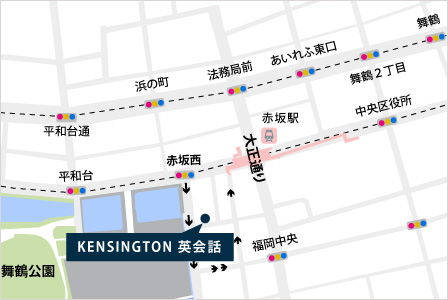
赤坂本校
〒810-0042
福岡県福岡市中央区赤坂1-12-3 ブラウンコーポ大津202

Copyright © KENSINGTON英会話(ケンジントン英会話). All Right Reserved.
・姉妹校の情報はこちら